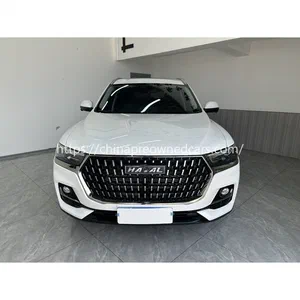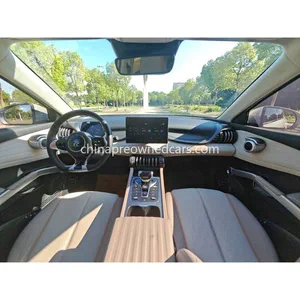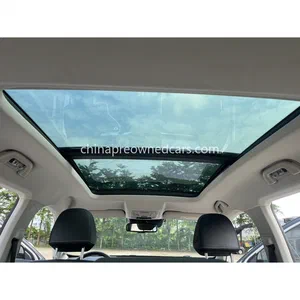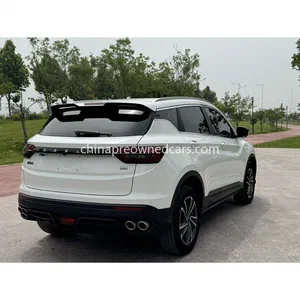
A used SUV can be shipped from China after export licensing, customs declaration, and pre-shipment inspection are completed. This guide explains the inspection certificate, export documents, shipping choices, port handling, and timing for vehicles such as the BYD Atto 3, Chery Tiggo 7 Plus, Chery Tiggo 8 Pro, Geely Coolray, and Haval H6.
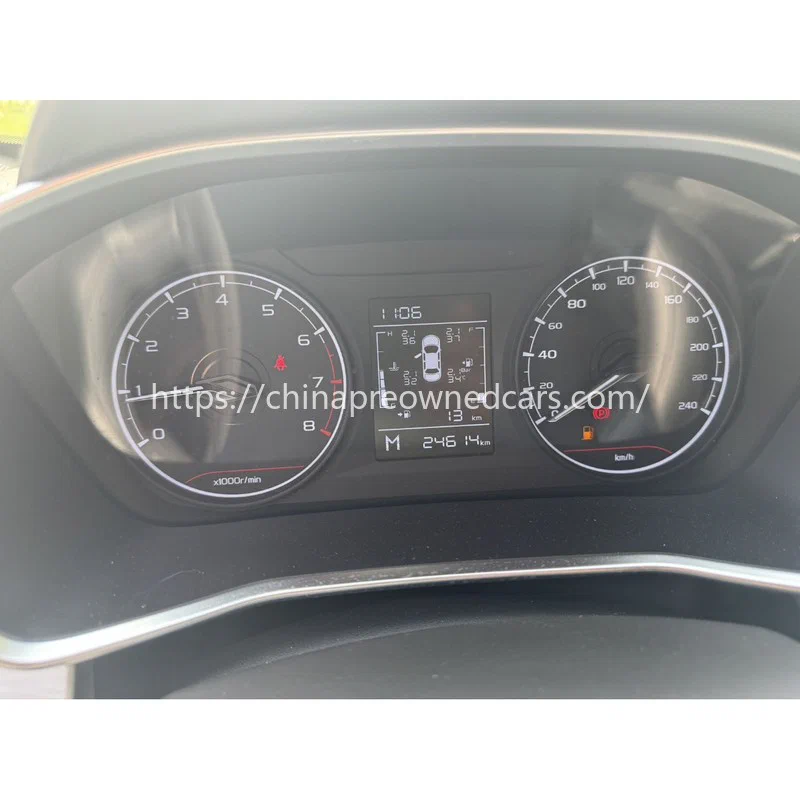
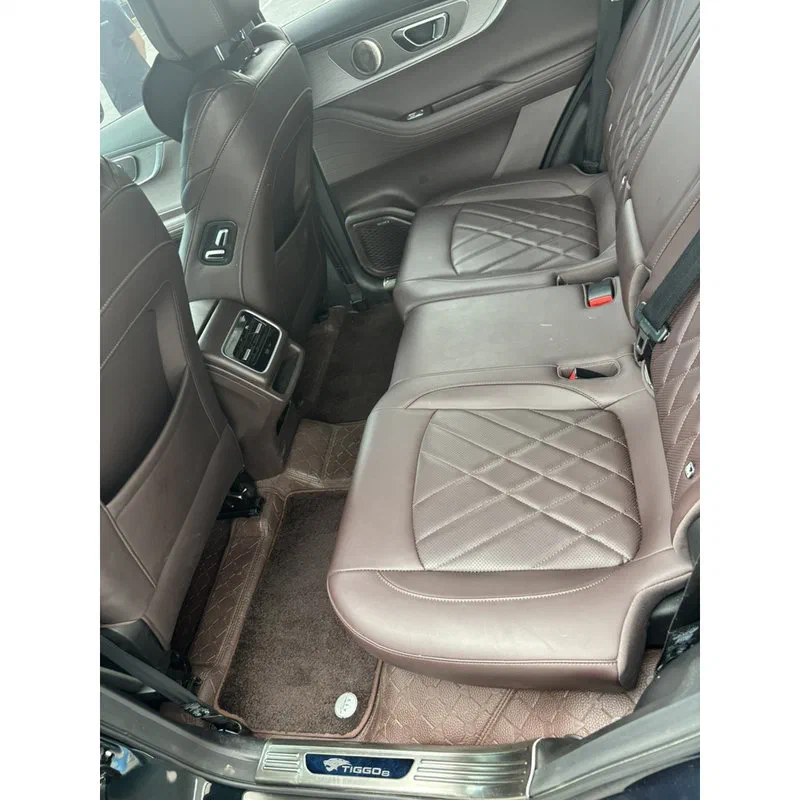
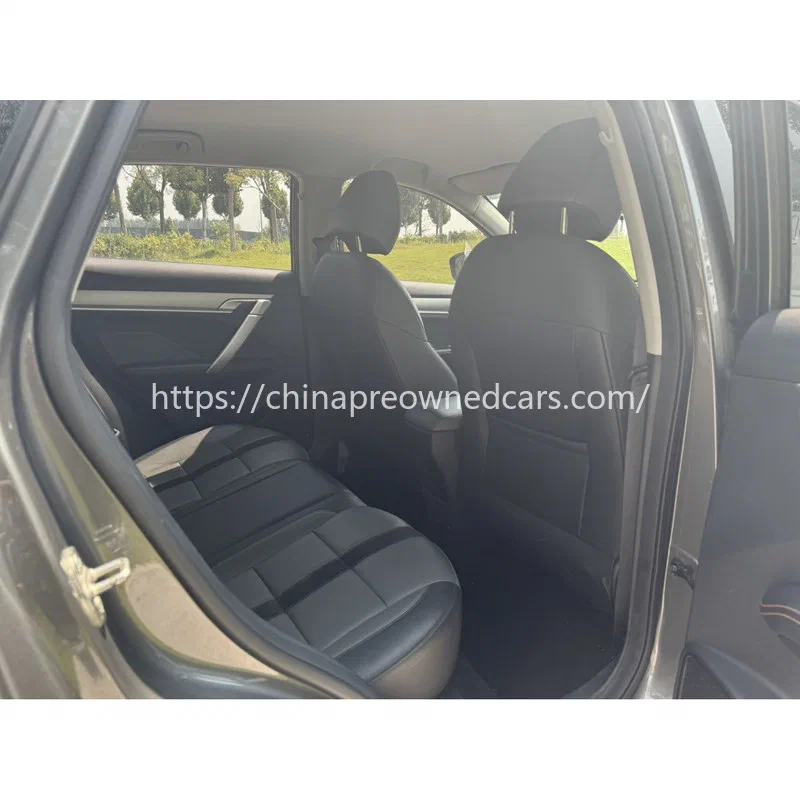
The process starts with vehicle selection and document matching. The exporter should confirm the vehicle identification number, domestic registration details, ownership record, mileage evidence, service history, and any accident or repair records available from the source. A physical inspection then checks the body panels, glass, lights, tyres, suspension, steering, brakes, engine or motor system, transmission, air-conditioning, safety equipment, and electronic functions. For an electric model, the inspection should also record battery state of health, charging performance, warning messages, and visible damage around the battery housing. A used car for sale suv listing is only a starting point; the inspection report and supporting photographs should relate to the exact VIN being purchased.

China’s used vehicle export procedure requires an export licence, customs declaration, and pre-shipment inspection before loading. The inspection result or certificate must be prepared in the form accepted by the relevant Chinese authorities and destination market. Buyers should ask for a copy before shipment and check that the VIN, model, fuel type, dimensions, and ownership information match across every document. The usual export file includes a commercial invoice, sales contract, vehicle purchase or transfer evidence, export declaration, inspection certificate, certificate of origin where required, and bill of lading after the carrier accepts the cargo. Additional documents may apply to electric vehicles, including battery information or transport declarations requested by the shipping line.
RoRo shipping usually suits a complete, running SUV that can be driven onto the vessel. It often reduces handling and packing work, but the vehicle remains in a shared cargo environment and access during transit is restricted. Container shipping can provide more enclosed protection and may fit a non-running vehicle or a shipment combined with other cargo. It also involves container loading, securing, terminal handling, and possible inspection costs. The choice depends on vehicle size, port service, cargo availability, and the buyer’s tolerance for handling exposure. No method removes all risk, so photographs should document the vehicle before loading, during securing, and at the port when available.
After customs release at the Chinese port, the vehicle is moved to the terminal, inspected for loading readiness, and assigned to a sailing. Port congestion, vessel schedules, document corrections, transshipment, and destination clearance can affect the timetable. A practical estimate should separate inland collection, export processing, port waiting, ocean transit, and discharge. In many cases, the full process takes several weeks rather than a few days. Ghana, Nigeria, Kenya, Uganda, and Tanzania each set their own rules for vehicle age, emissions, drive side, roadworthiness, duties, and electric vehicle treatment. Most Chinese domestic SUVs are left-hand drive, which may exclude markets or registrations requiring right-hand drive unless a suitable specification is sourced. Before payment, the importer should confirm current rules with the destination customs authority, agree whether freight is RoRo or container, define payment stages, and clarify who handles destination taxes, port charges, registration support, parts, diagnostics, and after-sales repairs.
FAQ
Q: What documents are needed to ship a used SUV from China?
A: The core file normally includes the export licence, customs declaration, pre-shipment inspection certificate, commercial invoice, sales contract, certificate of origin where required, and bill of lading. Exact requirements depend on the destination country and vehicle type.
Q: Is RoRo or container shipping better for a used SUV?
A: RoRo usually fits a running vehicle and can involve less loading work, while a container offers enclosed carriage and may suit non-running vehicles. The final choice depends on vessel availability, vehicle dimensions, handling charges, and cargo protection requirements.
Q: How long does used SUV export usually take?
A: Collection, inspection, customs processing, port handling, and ocean transport commonly take several weeks. Delays can arise from document corrections, port congestion, vessel schedules, transshipment, or destination clearance.