A second hand car purchase agreement should identify the vehicle, record its verified condition, set out the payment schedule and specify which export documents the seller must provide. For overseas buyers importing from China, the agreement should also clarify inspection arrangements, shipping responsibilities and what happens if the vehicle does not match the agreed description.
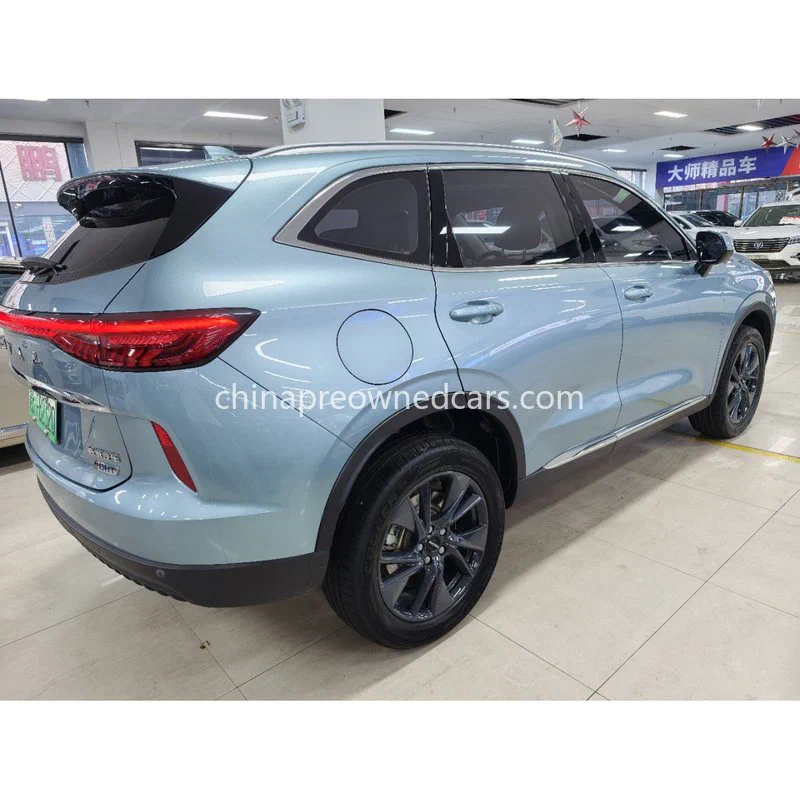
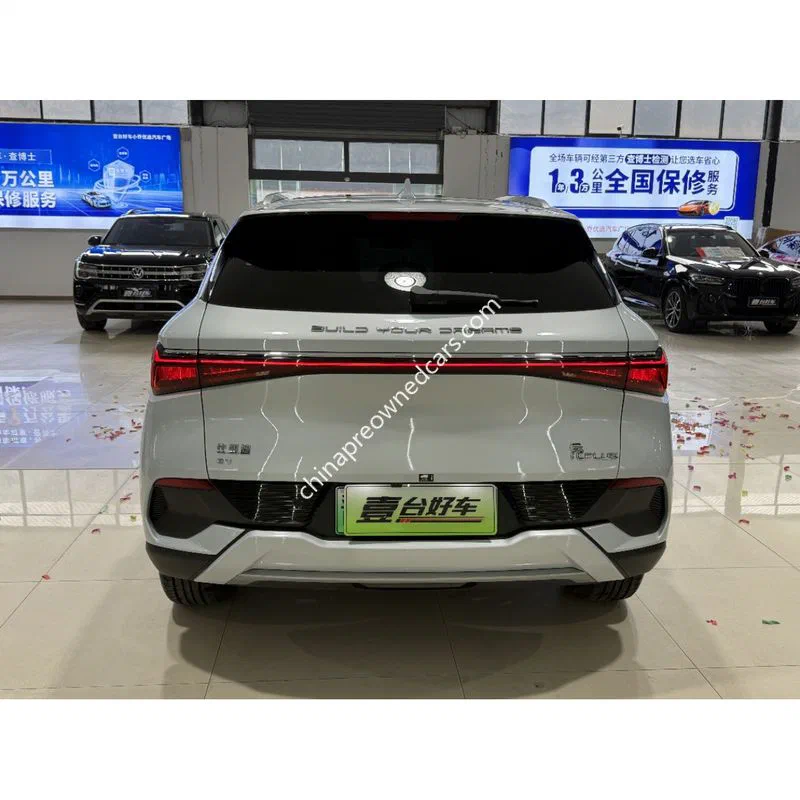
Before signing, check that the vehicle identification number (VIN), model, production year, mileage and configuration are recorded accurately. The VIN should match the number on the vehicle, registration records and supporting documents. For vehicles such as the BYD Atto 3, Chery Tiggo 7 Plus, Chery Tiggo 8 Pro, Geely Coolray and Haval H6, the agreement should specify the exact model and variant rather than relying on a general model name. Mileage deserves particular attention. Request a dashboard photograph, available service records and maintenance invoices, then compare the recorded mileage across documents. A low odometer reading alone does not establish the vehicle’s history. Buyers should also request information about previous accidents, body repairs, repainting, flood exposure and replaced components. Any disclosed damage or outstanding mechanical issue should be written into the agreement rather than left to verbal discussion.
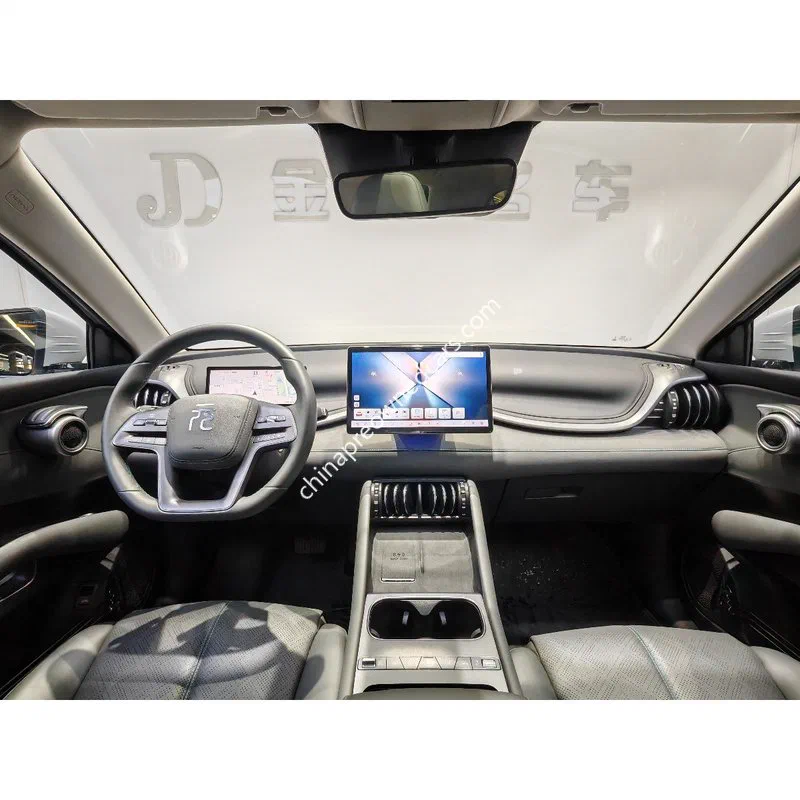
For an electric vehicle, the battery requires a separate assessment. The BYD Atto 3 is an important example because battery condition can affect the vehicle’s usable driving range and future operating costs. Ask for a battery health assessment showing the available state-of-health information, test method and assessment date. Request charging records or diagnostic information where available, and check for battery warnings, charging faults and abnormal temperature alerts. A general statement that the battery is in good condition is not sufficient evidence. The agreement should identify any known battery defects and state whether the buyer can reject the vehicle or renegotiate if an independent inspection finds a material difference. Buyers should also confirm that the charging connector and charging equipment are compatible with the intended destination market. Battery transport and shipping documentation may require additional attention compared with conventional petrol vehicles.
The documentation clause should list what the exporter must supply and when. Relevant records include the vehicle inspection report, export license, commercial invoice, sales contract, packing list where applicable, customs declaration and export clearance paperwork. The buyer should also receive the shipping booking information and bill of lading after shipment. China’s used vehicle export process involves export licensing, customs declaration and pre-shipment inspection. The agreement should make clear who arranges each step and who pays the associated charges. It should also distinguish between RoRo shipping and container shipping, including responsibility for loading, port handling and any agreed transport insurance. Buyers importing into Ghana, Nigeria, Kenya, Uganda or Tanzania should independently confirm current vehicle-age restrictions, emissions rules, left-hand-drive acceptance and roadworthiness requirements. Most Chinese domestic vehicles are left-hand drive, so compatibility with the destination’s vehicle regulations must be checked before payment.
Exporter credibility should be assessed before signing or transferring funds. Request the company’s registered business details, export licensing information and evidence of previous vehicle export transactions where available. Confirm that the company name on the contract matches the beneficiary details provided for payment. A credible exporter should be able to explain its inspection process, identify the responsible party for customs clearance and provide a realistic shipping process without promising an unsupported arrival date. Payment terms should specify the deposit, balance payment deadline, accepted payment method and the conditions for releasing shipping documents. Bank transfer is commonly used in international vehicle trade, but buyers should verify beneficiary details through an independent channel before sending funds. Common disputes arise when mileage differs from the agreed figure, damage is discovered after loading, export paperwork is incomplete or additional port charges were not allocated in the contract. The agreement should define the inspection deadline, discrepancy notification process, refund or compensation arrangements and responsibility for unexpected costs. Keep signed copies and payment records throughout the transaction.

FAQ
Q: Can a buyer request an independent inspection before paying the balance?
A: Yes. The agreement can make final payment conditional on an inspection report and specify the inspection scope, deadline and procedure for handling material discrepancies.
Q: Which export documents should a Chinese used car exporter provide?
A: Buyers should request the inspection report, export license, commercial invoice, customs declaration and export clearance records, followed by the bill of lading after shipment.
Q: What happens if the vehicle arrives with undisclosed damage?
A: The buyer should refer to the contract’s condition disclosures, inspection records and discrepancy provisions. Any refund, compensation or dispute procedure depends on the agreed contractual terms and applicable law.