Buyers can assess used vehicles from online listings, but mileage and history claims require independent checks before export purchase. This page explains how used cars are graded, what inspections cover, and what overseas buyers should verify when sourcing Chinese vehicles for export.
How used vehicle condition is assessed before export
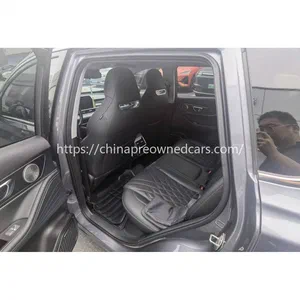
A used vehicle assessment normally separates appearance, mechanical condition, mileage information, and ownership records. Cosmetic grading looks at paint condition, body panels, interior wear, glass, lights, tires, and visible damage. Mechanical checks focus on engine or electric drive systems, transmission operation, suspension, braking components, steering, charging systems for EVs, and warning indicators. Mileage is reviewed as one factor rather than a complete measure of condition. A lower mileage reading can be useful, but it should be compared with service records, inspection findings, and vehicle history information.
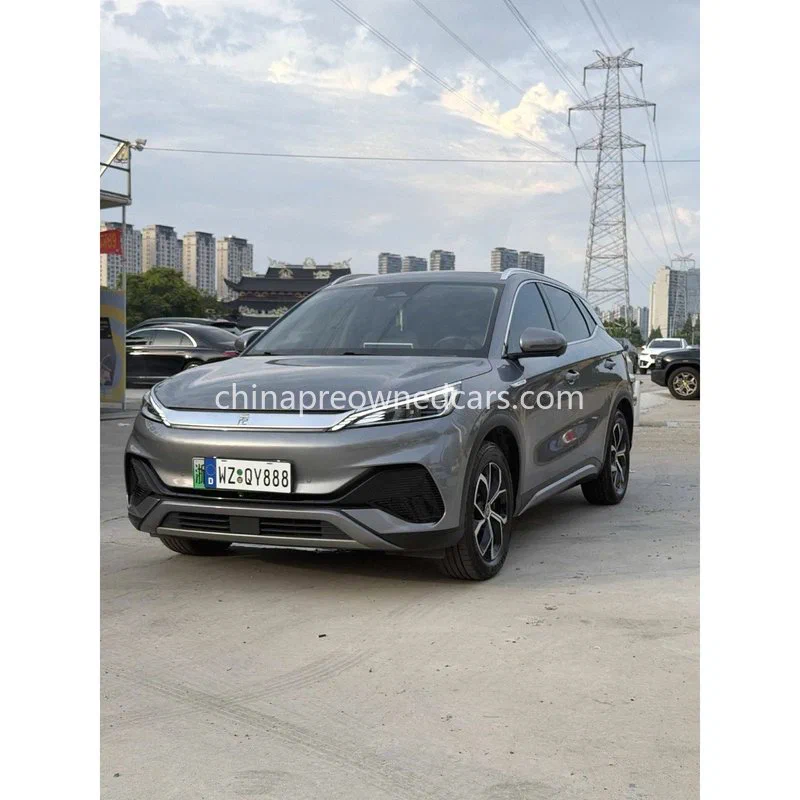
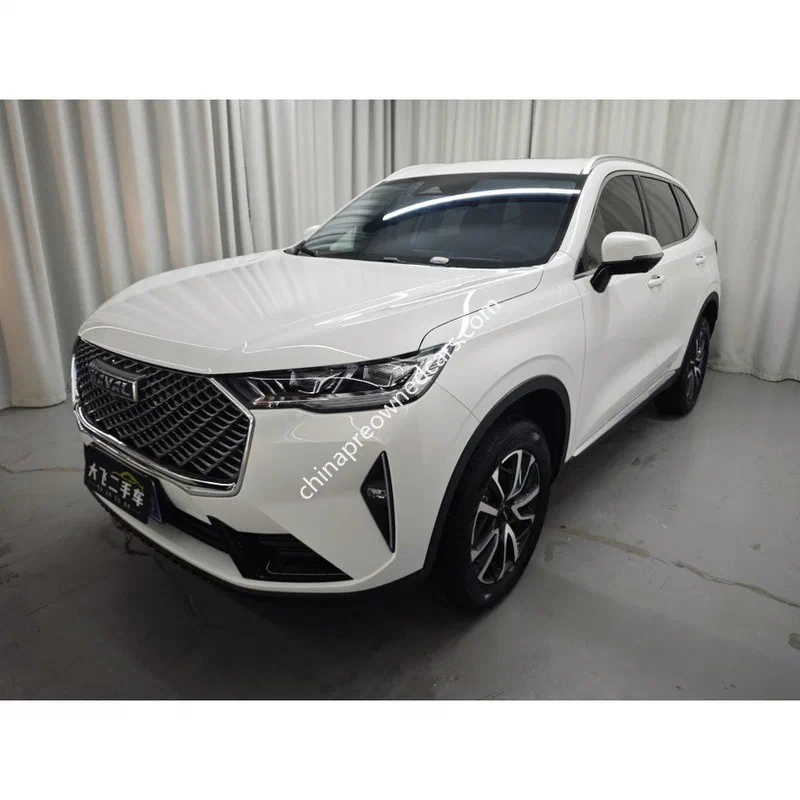
For Chinese-brand SUVs such as BYD Atto 3, Chery Tiggo 7 Plus, Chery Tiggo 8 Pro, Geely Coolray, and Haval H6, an export assessment should record the vehicle identification details, equipment level, and visible condition before shipment. The term “export-grade” generally means the vehicle has passed a seller’s export preparation checks. It does not mean the vehicle is new or free from every possible issue. Buyers should request inspection details rather than rely only on a grade label.
What inspection reports can confirm
A pre-shipment inspection gives buyers a clearer view of the vehicle before it leaves China. The process can include checking exterior condition, interior condition, basic functions, safety-related components, and vehicle documents. For electric vehicles, battery condition is an important additional area. Battery state of health, charging performance, and available technical records should be reviewed because EV batteries require different checks from combustion vehicles.

Inspection has limits. It can identify visible defects and test certain functions at the inspection time, but it cannot predict every future repair need. A report cannot replace a complete ownership history or local technical evaluation after arrival. Buyers using used cars sales online channels should compare listing information with inspection documents, vehicle photos, and identification details. VIN verification and document checks help confirm that the vehicle information matches the exported unit.
Mileage, service records, and warning signs
Mileage verification is one of the most common concerns in used vehicle transactions. Buyers should check whether the recorded mileage is consistent with service history, maintenance records, inspection notes, and interior wear. Signs such as unusual pedal wear, heavily worn steering controls, inconsistent service intervals, or missing records require further review.
A vehicle history check should also look for accident records where available, previous repairs, water damage indicators, and major component replacement. Some vehicles may have limited documentation depending on their previous use, so buyers should understand what records are available before making a decision. For export purchases, the focus is not only the mileage figure but the overall condition evidence supporting that figure.
Condition grading systems vary between suppliers. A “dealer-grade” description may refer to a vehicle selected for resale preparation, but the exact standard depends on the exporter. A careful buyer should ask for the grading criteria, inspection checklist, and supporting images rather than assuming all grading systems are identical.

Export preparation and shipping considerations
After a vehicle is selected, Chinese used vehicle exports involve export licensing, customs declaration, pre-shipment inspection, and required documentation. The exporter typically prepares documents needed for customs procedures and shipping arrangements. Vehicles are transported through methods such as RoRo shipping or container shipping, depending on the route, vehicle type, and buyer requirements.
For markets including Ghana, Nigeria, Kenya, Uganda, and Tanzania, import requirements must be checked before shipment. Local rules may differ regarding vehicle age, emissions, roadworthiness, taxation, and other entry conditions. Most vehicles sourced from China are left-hand drive, so buyers in markets requiring right-hand-drive vehicles need to confirm compatibility or source vehicles that meet local requirements.
A vehicle that appears suitable for one destination may not meet another market’s regulations. Checking import rules early helps avoid problems after arrival. The exporter should provide clear information about documentation, inspection status, and shipping arrangements.
What buyers should verify before payment
Before purchasing a used vehicle for export, buyers should confirm the vehicle model, specification, condition report, VIN details, available service records, and included documents. Payment terms should be reviewed carefully, including when payments are made and what documents are provided at each stage.
Photos and videos are useful, but they do not replace inspection. Images may not show mechanical faults, battery performance issues, or hidden repairs. A buyer should request current inspection materials and ask specific questions about defects rather than relying on general descriptions.
After-sales support also requires clarification. Support arrangements may include document assistance, shipping coordination, and communication after delivery, but local repairs and warranty coverage depend on the destination market and the agreements between parties. Clear expectations reduce misunderstandings during international vehicle transactions.
Choosing vehicles suitable for overseas operation
Vehicle suitability depends on more than condition. Chinese electric and hybrid SUVs can offer features that match some overseas needs, but buyers should consider charging infrastructure, maintenance availability, parts access, and local driving conditions. For example, EV buyers should confirm charging compatibility and battery-related requirements before importing a used electric vehicle.
A practical export assessment balances vehicle condition with destination requirements. A vehicle with complete inspection records, verified identification, suitable configuration, and appropriate shipping documentation provides a stronger basis for a purchase decision. The final condition should always be confirmed through available records and inspections rather than assumptions.
FAQ
Q: Can a used vehicle inspection guarantee the condition of an exported car?
A: No. An inspection can identify visible conditions and tested functions at the inspection time, but it cannot guarantee future performance or eliminate all risks.
Q: What mileage information should buyers check before importing a used car?
A: Buyers should compare the mileage reading with service records, inspection results, interior wear, and available history information. A mileage number alone does not fully describe vehicle condition.
Q: Are Chinese used SUVs suitable for African export markets?
A: Models such as BYD Atto 3, Chery Tiggo 7 Plus, Chery Tiggo 8 Pro, Geely Coolray, and Haval H6 may suit different markets depending on local rules and operating conditions. Buyers should confirm drive side, import regulations, charging needs, and road requirements before shipment.