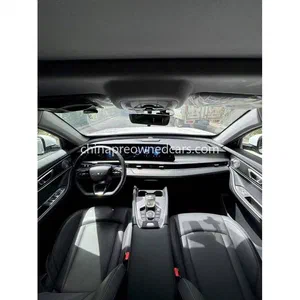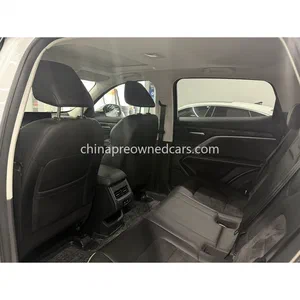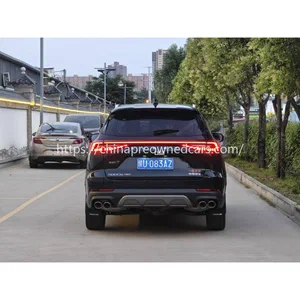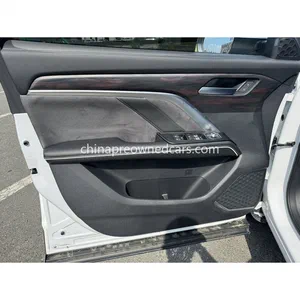
Exporting used electric and hybrid vehicles from China requires more than comparing purchase prices. Buyers need to assess battery state of health, confirm charging compatibility, and account for dangerous goods shipping rules before selecting vehicles for Ghana, Nigeria, Kenya, Uganda, or Tanzania. These checks influence resale value and the total cost of importing each vehicle.
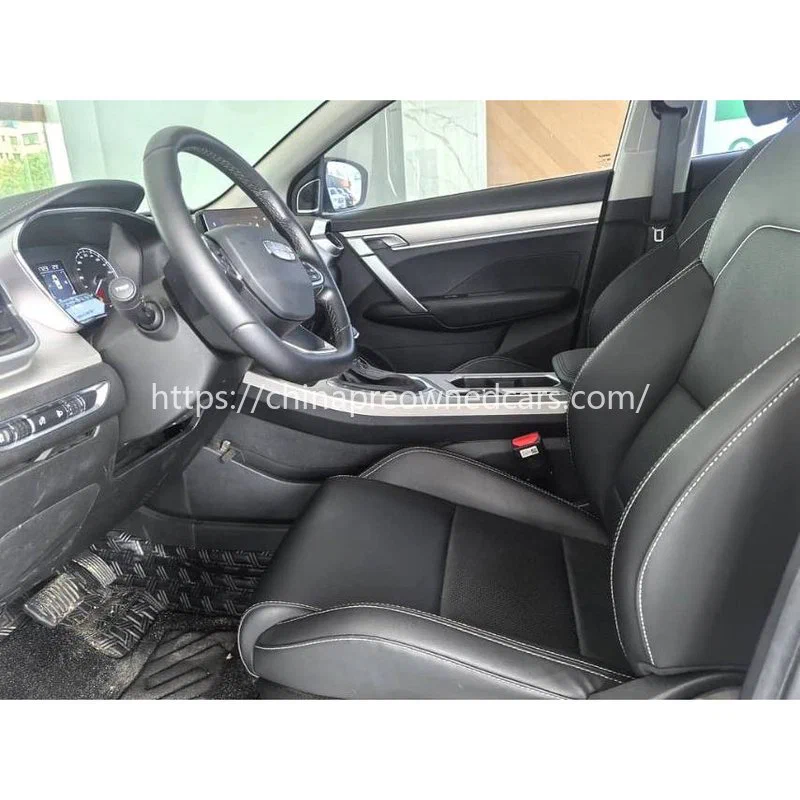
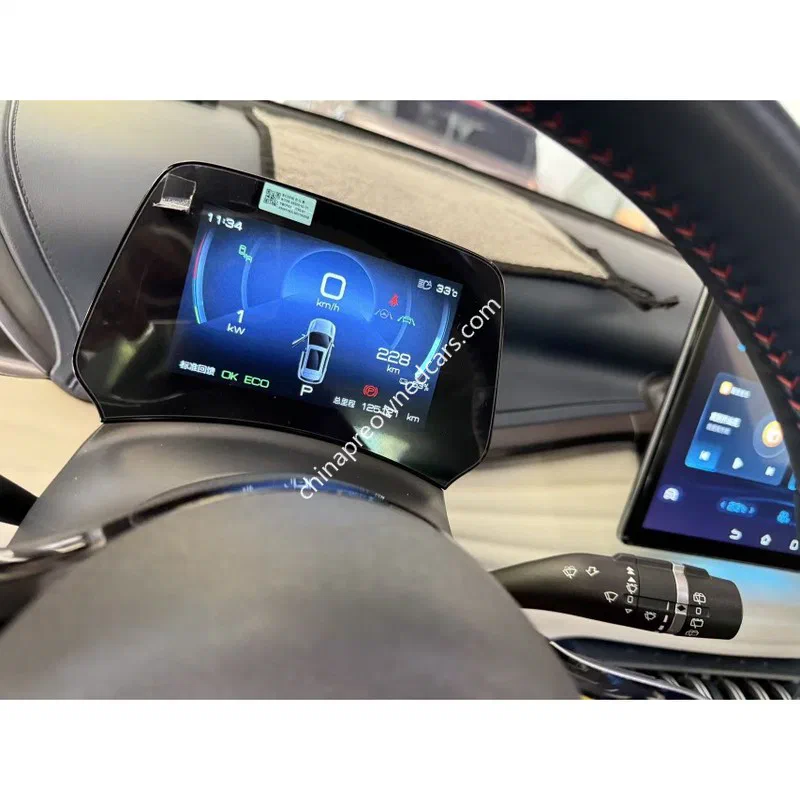
Battery state of health (SOH) is a key measure when assessing a used EV. It indicates the battery’s remaining capacity relative to its original condition, but the reported percentage should be supported by diagnostic evidence. Buyers should request a battery health report, diagnostic fault codes, charging history where available, and evidence of any battery repairs or replacement. An independent inspection can help identify cell imbalance, abnormal degradation, cooling system faults, and warning indicators that a dashboard check may miss. Odometer readings alone do not establish battery condition.
Charging compatibility also requires attention. Chinese-market EVs commonly use GB/T connectors, while CCS and CHAdeMO are established alternatives in other markets. Acceptance depends on the vehicle’s charging hardware, available public and private charging equipment, and local electrical standards. Buyers should verify the exact AC and DC charging interfaces, supported charging power, and whether compatible adapters are approved and practical to use. For the BYD Atto 3, confirm the specific vehicle’s market configuration rather than assuming every version uses the same connector. Charging infrastructure in the destination country should be checked before purchase, including access to compatible chargers, electricity reliability, and workshop capability.
Battery transport rules can affect shipping arrangements and costs. Lithium-ion traction batteries are generally classified under UN 3480 when shipped separately and UN 3481 when contained in or packed with equipment, subject to the applicable classification and transport conditions. A vehicle containing its installed battery is not automatically handled as a standalone UN 3480 shipment. The shipping line, carrier, and dangerous goods specialist should confirm the correct classification, documentation, battery condition requirements, and acceptance conditions. China’s export process also requires the applicable export licensing, customs declaration, and pre-shipment inspection. RoRo shipping and container loading are both options, but carrier acceptance and handling requirements must be confirmed before booking.
Range affects resale value directly. A vehicle with substantial battery degradation may be less attractive to buyers who depend on longer journeys or have limited charging access. Advertised driving range should not be treated as a guaranteed real-world result because temperature, driving speed, terrain, battery age, and air-conditioning use all affect consumption. Hybrid SUVs may suit buyers who need fuel-based backup, but their engines, transmissions, hybrid batteries, and control systems require separate checks. A low advertised purchase price, including a search for a used vehicle under 3000, should be assessed against battery condition, repair exposure, freight, duties, and local compliance costs rather than considered in isolation.
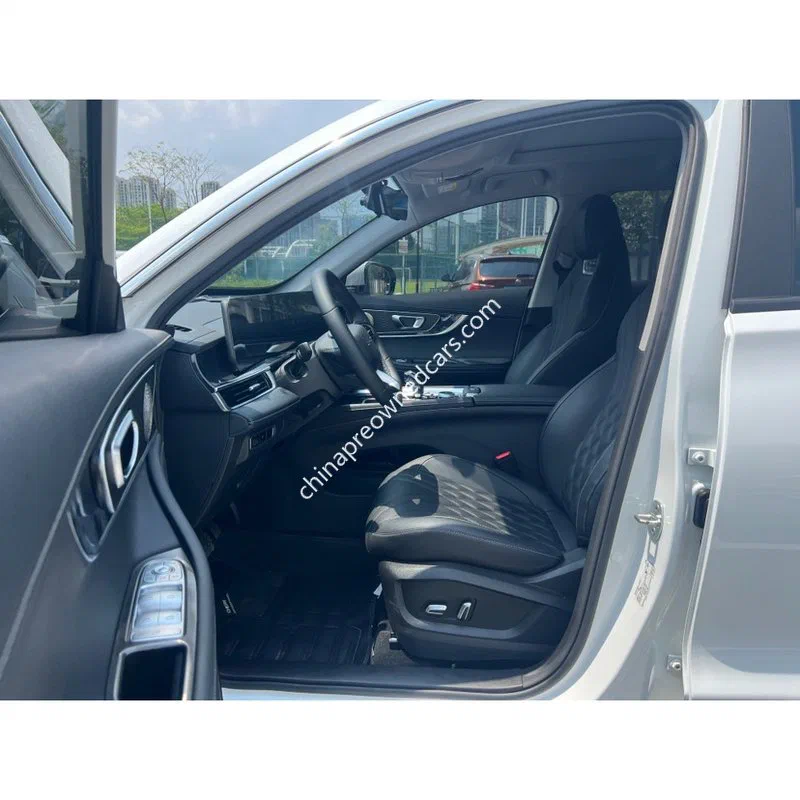
Before payment, buyers should match the VIN across vehicle records, inspection documents, and export paperwork, then review photographs, diagnostic results, service records, and the written condition description. Confirm left-hand-drive acceptance, vehicle age restrictions, emission requirements, roadworthiness rules, and EV import provisions with the destination’s current authorities. Most Chinese domestic vehicles are left-hand drive, which can limit eligibility in markets requiring right-hand drive. Agree in writing on payment milestones, inspection access, document responsibilities, shipping method, and the process for handling discrepancies. Delivery timing depends on export clearance, vessel schedules, and destination procedures; no shipment date should be treated as confirmed until the relevant parties verify it.

FAQ
Q: How can a buyer verify the battery condition of a used Chinese EV before export?
A: Request a diagnostic report showing battery state of health, fault codes, and available cell-level data, then arrange an independent inspection where possible. Confirm whether the results come from the vehicle’s battery management system and whether any repairs or replacements are documented.
Q: Can Chinese used EVs be imported into Ghana, Nigeria, Kenya, Uganda, and Tanzania?
A: Eligibility depends on current national rules, including vehicle age, steering position, emissions where applicable, customs requirements, and EV-specific provisions. Buyers should also verify charging compatibility and carrier acceptance before paying for the vehicle or arranging shipment.