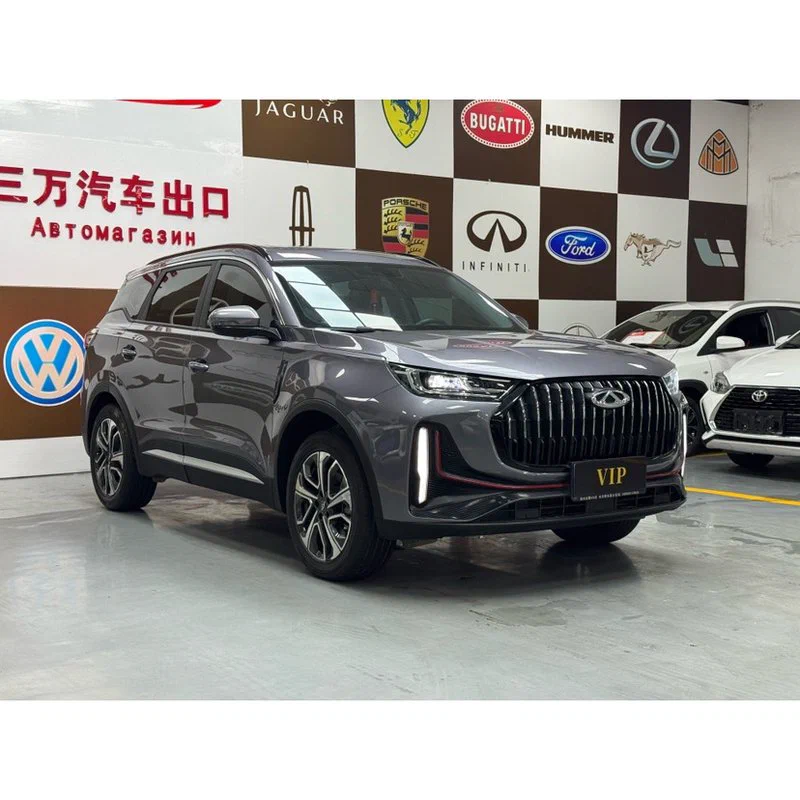
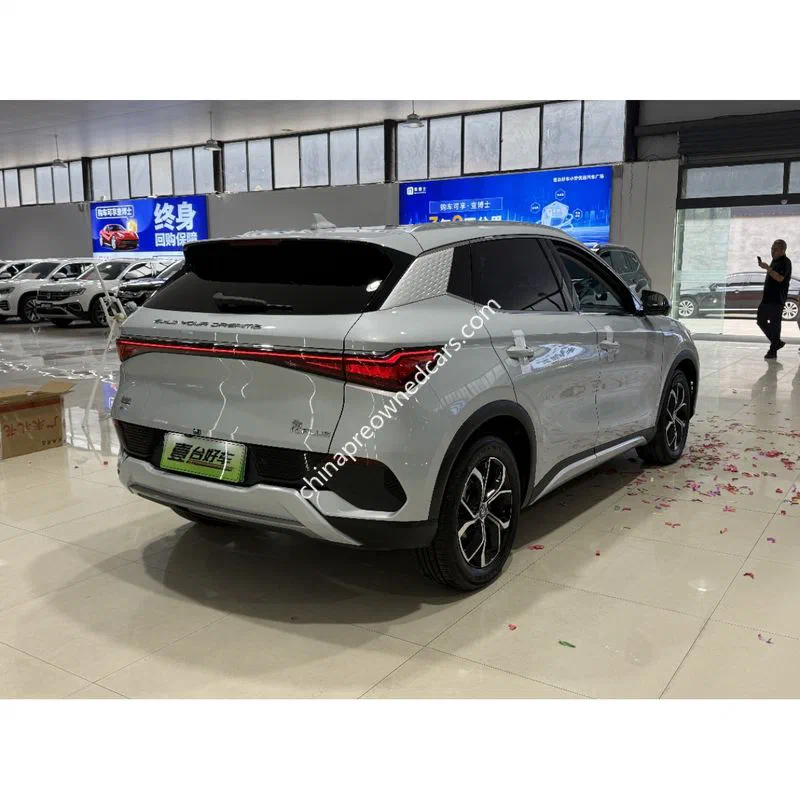
The BYD Atto 3 can be a practical second-hand electric SUV for buyers in African markets, provided its battery condition, charging compatibility and service arrangements are checked before shipment. For importers in Ghana, Nigeria, Kenya, Uganda and Tanzania, the main considerations are not just purchase cost but also left-hand drive suitability, local charging access and long-term battery performance.
What makes the BYD Atto 3 suitable for export?
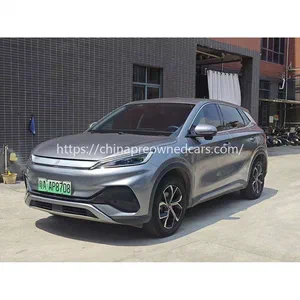
The BYD Atto 3 is a fully electric compact SUV powered by a single electric motor driving the front wheels. It uses BYD’s Blade Battery technology, based on lithium iron phosphate (LFP) chemistry. Depending on the production year and version, battery capacity, motor output and driving range differ. Buyers should therefore request the exact vehicle specification rather than rely on figures published for the latest model. The Atto 3 produces no tailpipe emissions and does not require petrol or diesel. Its front-wheel-drive layout is suitable for ordinary urban roads and paved highways, although ground clearance and tyre condition should be considered when regular travel involves rough rural roads. Most Chinese domestic-market units are left-hand drive (LHD), which suits markets where LHD vehicles are permitted. Importers must confirm current national rules before ordering.
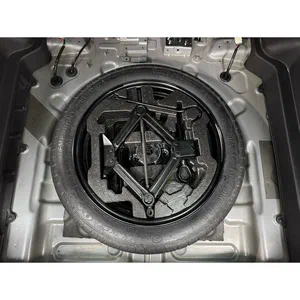
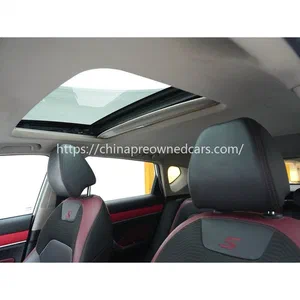
For an ev second hand car, battery condition deserves more attention than the odometer reading alone. The Atto 3’s LFP battery chemistry is designed for repeated charging, but this does not mean every used battery retains its original capacity. A proper inspection should include a battery state-of-health (SOH) assessment, diagnostic fault records, charging performance and evidence of previous battery repairs. The vehicle should also be checked for underbody damage, accident repairs, suspension wear, tyre condition and electronic system faults. A typical used-vehicle grading process distinguishes cleaner units with documented maintenance from vehicles showing normal wear or requiring repairs. Buyers should request dated photographs, a vehicle identification number (VIN) check and an independent pre-shipment inspection report. Mileage and service history should be cross-checked rather than accepted solely from the seller.
Export condition and African market considerations

The Atto 3 has practical advantages in urban transport, including quiet operation, regenerative braking and relatively simple routine powertrain maintenance. However, its suitability depends on local charging infrastructure. Importers in Ghana, Nigeria, Kenya, Uganda and Tanzania should assess access to compatible charging points, electricity reliability and the availability of qualified EV technicians. Charging equipment, connector compatibility and charging speeds need verification against the specific vehicle version. Spare parts availability also matters. Common service items such as tyres, suspension components and braking parts are different from high-voltage battery components, which may require specialist supply channels. Compared with the petrol-powered Chery Tiggo 7 Plus or Haval H6, the Atto 3 eliminates fuel consumption but introduces battery diagnostics and charging requirements. Road conditions should influence vehicle selection, particularly where damaged road surfaces increase suspension and tyre wear.
Before purchase, the exporter should confirm the vehicle’s VIN, manufacturing year, registration records, ownership documents and inspection findings. The buyer should also verify battery SOH, charging cable availability, onboard charging functions and any outstanding software or electrical faults. China’s used vehicle export process requires the appropriate export licence, customs declaration, documentation and pre-shipment inspection. Vehicles can be shipped by RoRo or loaded into containers. RoRo is generally suitable for operational vehicles, while container shipping offers additional physical protection and may suit shipments requiring consolidated loading. Used EVs also require attention to battery transport documentation and carrier acceptance conditions. Import regulations in each destination may cover vehicle age, emissions, roadworthiness and drive side. Although the Atto 3 has no exhaust emissions, local EV import and registration rules still apply. Buyers should confirm current requirements before payment and agree on inspection records, shipping arrangements and after-sales support in writing.
FAQ
Q: Does the BYD Atto 3 need to meet a petrol emission standard when imported?
A: It has no tailpipe emissions because it is fully electric. However, destination authorities may apply separate EV registration, technical compliance and import documentation requirements.
Q: What is the most important check when buying a second-hand BYD Atto 3 for export?
A: Battery state of health is a priority, alongside diagnostic records, accident history and charging performance. An independent inspection before shipment helps identify faults before the vehicle leaves China.