
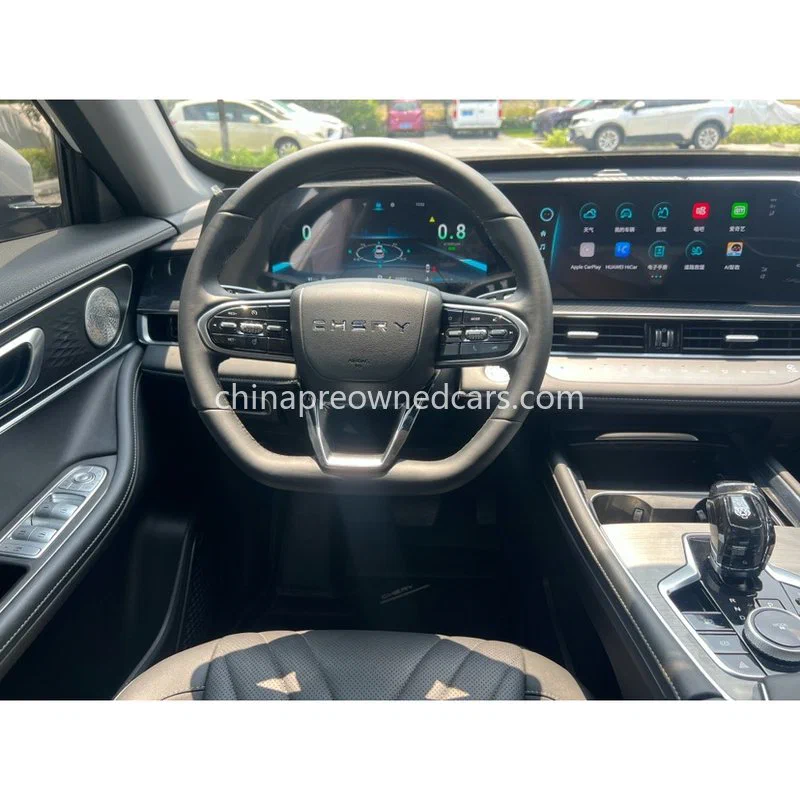
Buying a secondhand electric car from China can be a good decision for importers in West Africa and North Africa when the vehicle condition, battery status, shipping cost and import duties are properly evaluated. For dealers and fleet buyers, the key question is not only the purchase price but the final landed cost and long-term reliability in the target market.
Why used electric cars from China can make sense
Chinese used electric vehicles offer lower acquisition costs compared with many new imported models, especially for businesses looking to build affordable fleets or expand their inventory. Brands such as BYD and other Chinese manufacturers have increased production quality, making carefully selected secondhand EVs a practical option for markets including Ghana, Nigeria and North African countries.
However, buyers should avoid choosing a vehicle based only on a low FOB price. A complete calculation should include freight, insurance, customs charges, import duty, port clearance fees and local preparation costs. A vehicle that appears cheap at the supplier level may become expensive after reaching the destination port.
Key checks before importing a used electric car
Battery condition is the most important factor when buying a secondhand EV. Request battery health information, charging records and diagnostic reports before confirming the purchase. A vehicle with a strong battery can provide years of service, while a poor battery may create expensive replacement costs.
Professional inspection is also necessary. Importers should verify accident history, mileage accuracy, service records, tire condition, charging equipment and overall vehicle condition. Since all exported vehicles are left-hand drive, buyers should also confirm that the configuration matches local regulations and customer demand.
For fleet operators, factors such as charging availability, driving range and spare parts support should be considered. Some regions may require investment in charging infrastructure, while others may already have suitable charging networks for daily commercial operations.
Understanding the real import cost
The final landed cost determines whether a used electric car is a profitable purchase. Dealers should compare different shipping options, including RoRo and container shipping, based on vehicle value, protection requirements and destination port conditions.

Importers in Ghana, Nigeria and North Africa should also review current customs procedures and documentation requirements before placing orders. Proper paperwork, including the bill of lading, commercial invoice and vehicle documents, helps prevent delays during port clearance.
A secondhand EV can provide strong value when purchased through a reliable exporter with transparent inspection reports and clear contract terms. Buyers who focus on total cost of ownership rather than the cheapest purchase price are more likely to achieve better resale value and customer satisfaction.
FAQ
Q: Is a used electric car reliable for African markets? A: Yes, if the battery health, vehicle condition and charging requirements are carefully checked before import. Many businesses use EVs successfully for urban transport and fleet operations.
Q: Are Chinese secondhand electric cars cheaper after shipping and import duty? A: They can be, but buyers must calculate the full landed cost, including freight, customs charges and port fees before making a decision.
Q: What is the most important inspection point for a used EV? A: Battery health is the priority because battery replacement can be one of the highest costs during the vehicle’s lifetime.
Related Articles
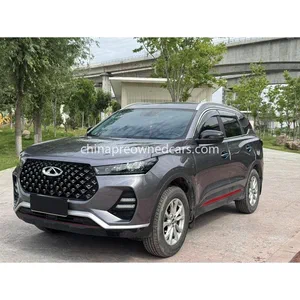 How to Choose an EV Second Hand Vehicle With Battery Inspection
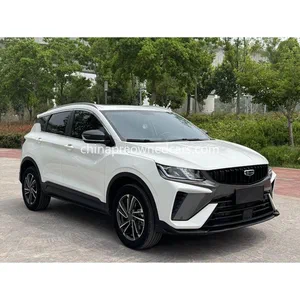 2nd hand cars automatic sourcing options for Ghana Nigeria used vehicle importers
 Auto choice select pre owned vehicles sourcing solutions for Ghana Nigeria automotive markets
 Auto second hand vehicles import customs and duty information for Ghana Nigeria automotive markets