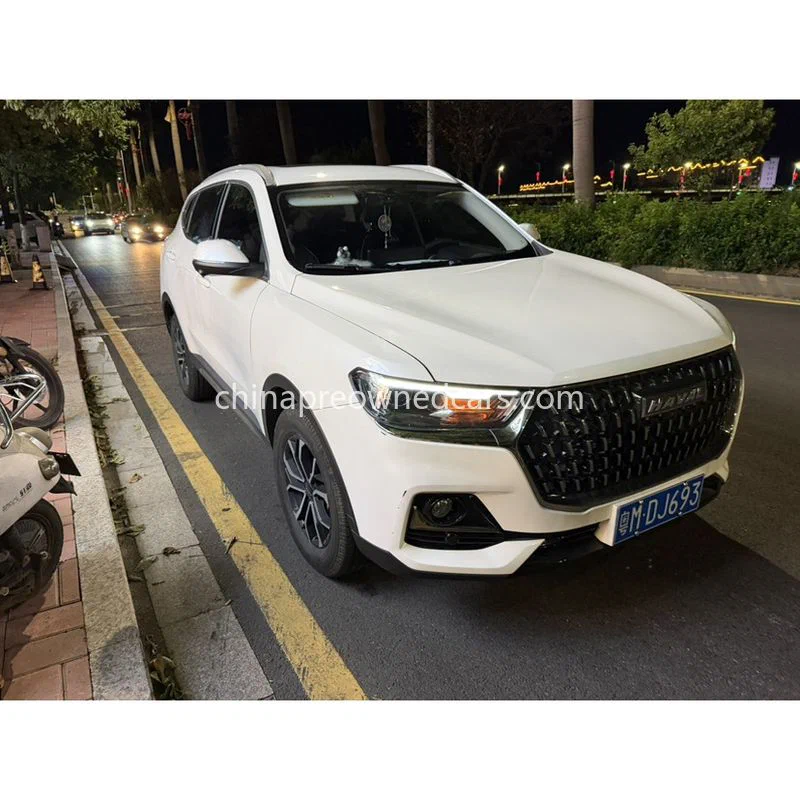
“Certified pre-owned” is not a regulated term across borders. It means whatever the certifying party says it means, backed by whatever that party is willing to stand behind.
So the useful question is never whether a car is certified. It is who certified it, against what standard, and what happens if the certificate turns out to be wrong.
Three things sold as certification
A manufacturer CPO programme. Genuine value: a brand inspects to its own standard and usually attaches a warranty. The catch for an importer is that CPO warranties are typically valid in the market where the programme operates. A Chinese-market CPO warranty rarely follows the car to Ghana. Verify rather than assume.
A third-party inspection report. An independent appraiser examines the car and documents findings. No warranty, but no conflict of interest either. This is the workhorse of honest used-vehicle export, and its value is entirely a function of the appraiser’s independence and thoroughness.
A dealer’s own “certified” label. The seller declaring their own car sound. Sometimes backed by real work, sometimes a sticker. Not evidence in itself, because the certifier has a position in the transaction.
The first and second are useful. The third is a starting point for questions.
The certification that will soon be mandatory
Ghana is turning part of this from a commercial choice into a border requirement.
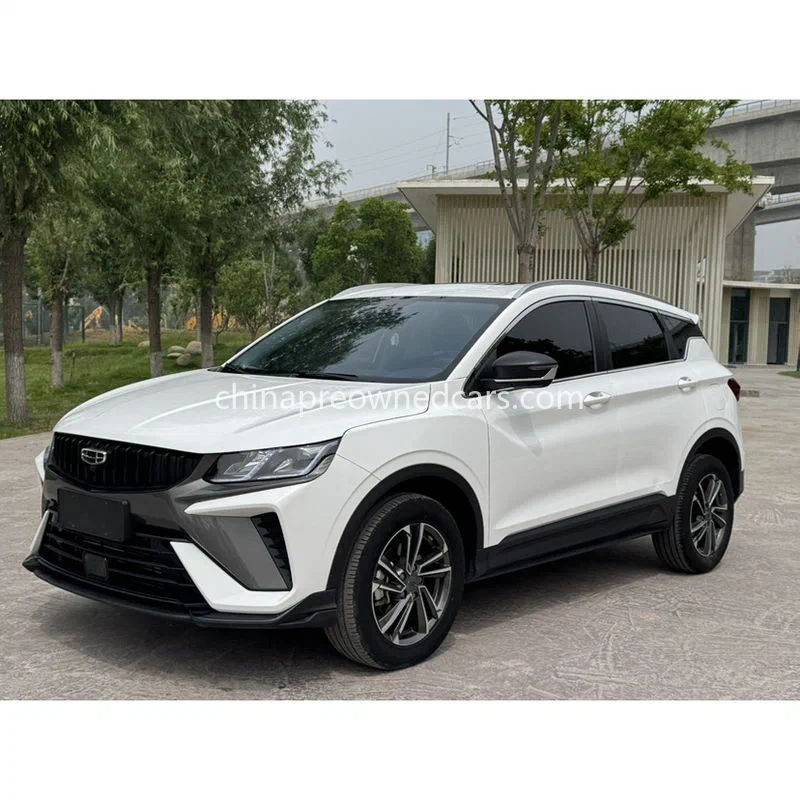
From 1 October 2026, under GSA Public Notice 26/09, every used vehicle unit imported into Ghana must be inspected in the country of origin by a GSA-approved third-party inspection body, with a Certificate of Conformance issued per unit before shipment, attesting that the vehicle conforms to applicable Ghana Standards. Vehicles that do not meet the requirements will not be permitted entry on arrival.
The same notice prohibits six categories outright: flood-damaged, fire-damaged, chassis or safety-cage damaged, assembled from spare parts, without a kilometre-per-hour speedometer, and over fifteen years old.
That is a certification with teeth — issued by a body the regulator recognises, before shipment, per vehicle, with refusal of entry as the consequence of failure. It is a different class of document from a dealer sticker.
What a real inspection report contains
Whatever it is called, a report worth relying on states:
- Verified odometer, cross-checked against service records rather than read off the dash
- Structural condition of chassis and safety cage — measured, not eyeballed
- Flood and fire evidence, or its absence
- Paint and panel history, including any repainted or replaced panels
- Gearbox behaviour under load, which matters because the DCT gearbox is the recurring weak point across the popular Chery and Haval models
- What was found, including the unflattering parts
That last point is the tell. A report listing no imperfections on a three-year-old car has either found an exceptional car or has not looked hard.
How we handle it
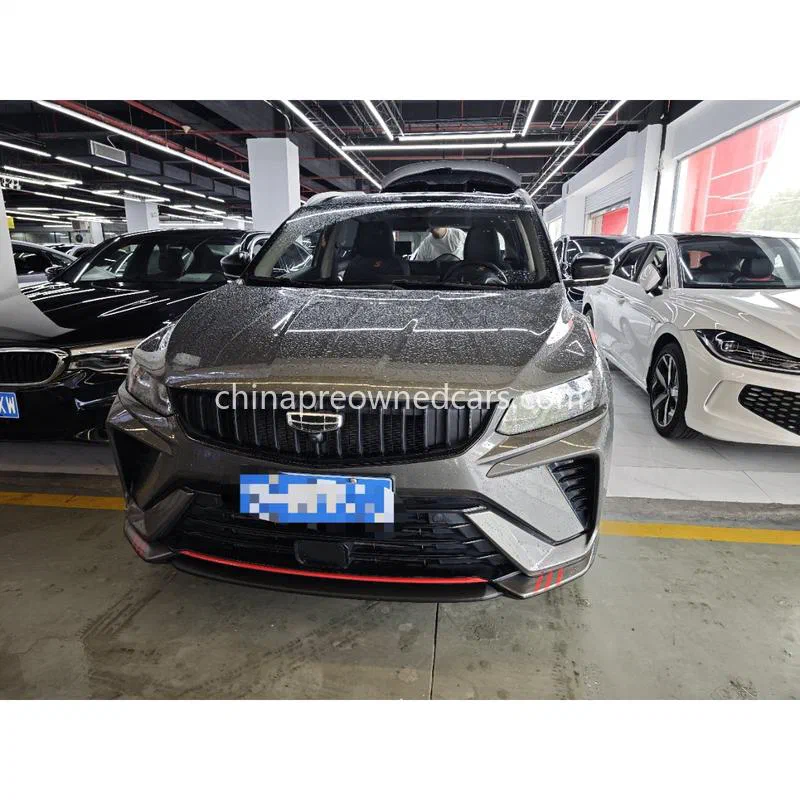
Every unit we export is inspected at a professional Chinese vehicle appraisal agency before export, and the independent third-party report goes with the car.
Where the inspection finds repainted panels, replaced components or previous repair work, we write it into the condition disclosure item by item. A buyer who learns about a repair from the report is a customer. A buyer who discovers it at the port is a dispute, and disputes cost more than the enquiries lost to candour.
We also say what we do not know. Battery state of health on an electric vehicle, for instance, requires diagnostic measurement — not an opinion — and a report that does not state a measured figure has not answered the question.
The Chinese side has accountability now too
Since 1 January 2026, Chinese exporters operate under a framework requiring export licence data to match the vehicle registration certificate, and provincial authorities maintain credit evaluation against a published negative list of bad-faith conduct. Failing to provide repair technology and spare parts support, or failing to honour quality assurance obligations, counts against a company’s licence applications — and the record follows the principals even if they set up a new entity.
That does not certify any individual car. It does mean your counterparty is licensed, monitored and traceable, which is a form of assurance no sticker provides.
Common questions
Q: Is a certified pre-owned car from China safe to buy? A: As safe as the certification behind it. A named independent inspection body with a readable report is meaningful; a seller’s own label is not.
Q: Does a Chinese CPO warranty work in Ghana or Nigeria? A: Usually not. Manufacturer programmes are generally valid in their own market. Verify transferability per brand rather than assuming.
Q: What certification will Ghana require? A: From 1 October 2026, a Certificate of Conformance issued per vehicle in the country of origin by a GSA-approved third-party inspection body, before shipment.
Q: Can I see the inspection report before paying? A: You should insist on it. A seller unwilling to share the report before payment has told you something useful.