VIN information helps buyers estimate a used vehicle’s value before export, but it is only one part of the China export process. To price used car by vin accurately, buyers also need inspection records, vehicle condition details, export documents, and shipping factors.
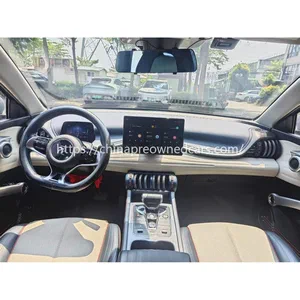
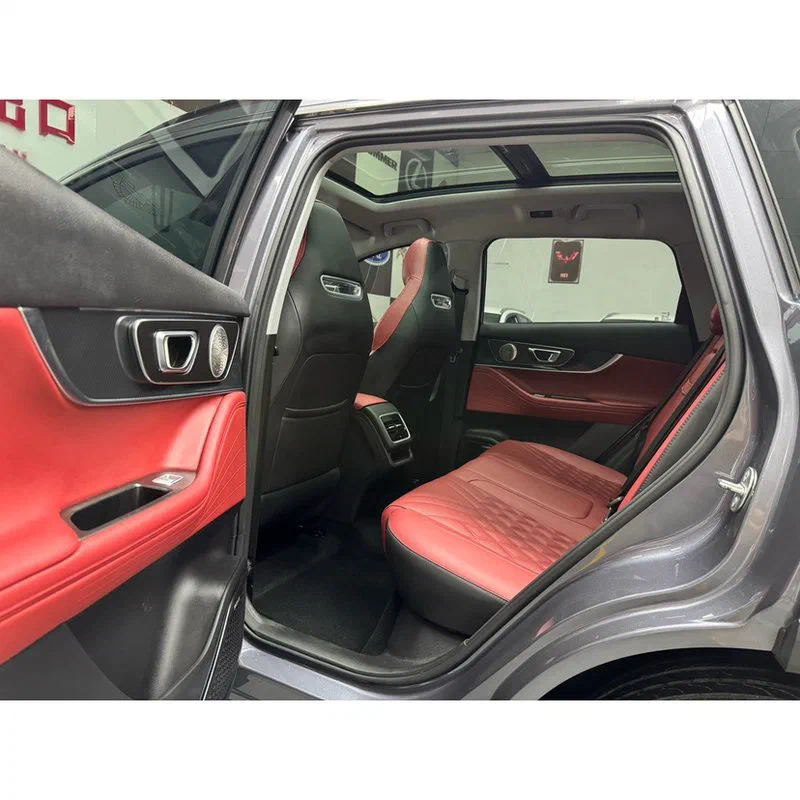
A VIN check can identify the vehicle model, production details, and available history information. For export purchases from China, the final assessment usually combines VIN verification with a physical inspection. The inspection reviews body condition, interior wear, mechanical operation, electrical systems, and for electric vehicles, battery status information. Models such as BYD Atto 3 and other Chinese-brand SUVs require attention to battery condition because EV exports involve battery health records and transport considerations that combustion vehicles do not.
Export workflow after vehicle selection
After a buyer selects a vehicle, the exporter arranges pre-shipment inspection and prepares the required export paperwork. The inspection process is used to document the vehicle condition before shipment and check that the vehicle matches export requirements. Export licensing, customs declaration, and supporting documents are part of the process. Common documents include the bill of lading, certificate of origin, commercial documents, and other paperwork required by the destination market.
China used vehicle exports require customs clearance procedures before the vehicle leaves the country. The exporter coordinates port handling, document review, and shipment arrangements. Destination markets including Ghana, Nigeria, Kenya, Uganda, and Tanzania each have their own rules covering vehicle age, emission standards, roadworthiness, and import procedures. Buyers should confirm current requirements with local authorities before purchase because these rules can change.
Shipping method and buyer checks
Vehicle shipping normally uses RoRo or container transport. RoRo shipping loads vehicles through the vessel’s vehicle access system and is commonly used for suitable vehicles moving through ports with established vehicle handling facilities. Container shipping can provide additional protection and may suit smaller shipments or buyers who need combined cargo arrangements. The choice depends on vehicle type, destination port conditions, cargo planning, and cost considerations.
Port handling continues after the vehicle arrives at the destination. Import clearance, local inspections where required, taxes or duties, and registration procedures are managed according to local regulations. Before payment, buyers should verify the VIN, inspection documents, vehicle specifications, drive side, and available service support. Most vehicles sourced from China are left-hand drive, so buyers in markets with right-hand-drive requirements should confirm compatibility before ordering.
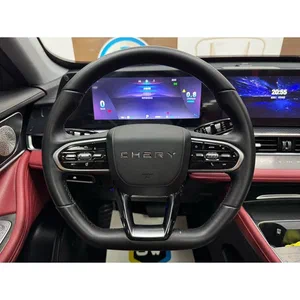
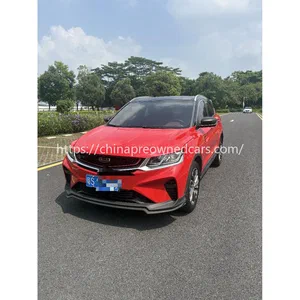
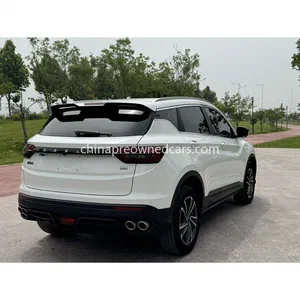
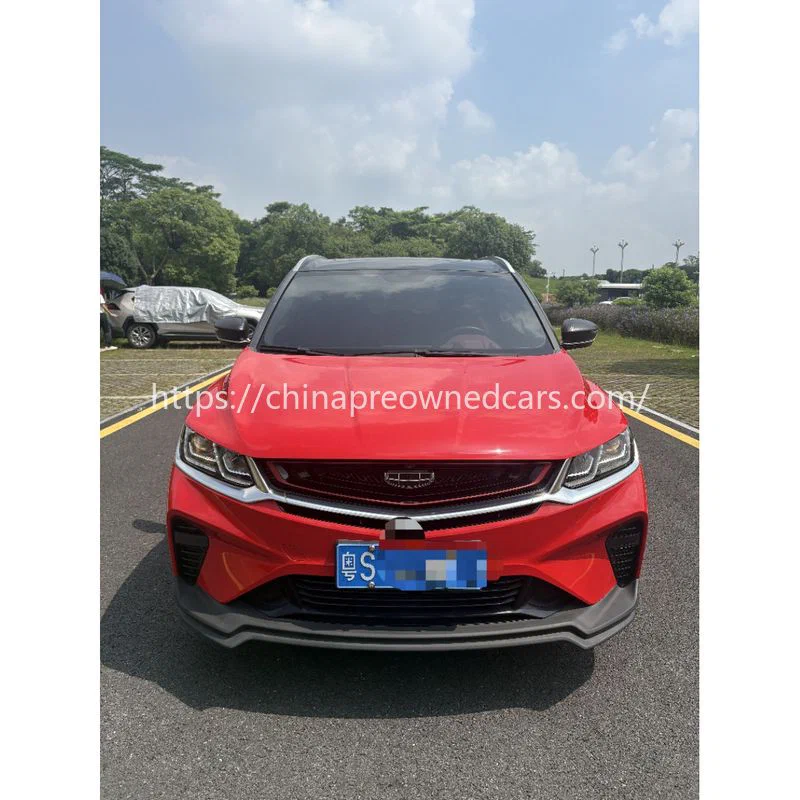
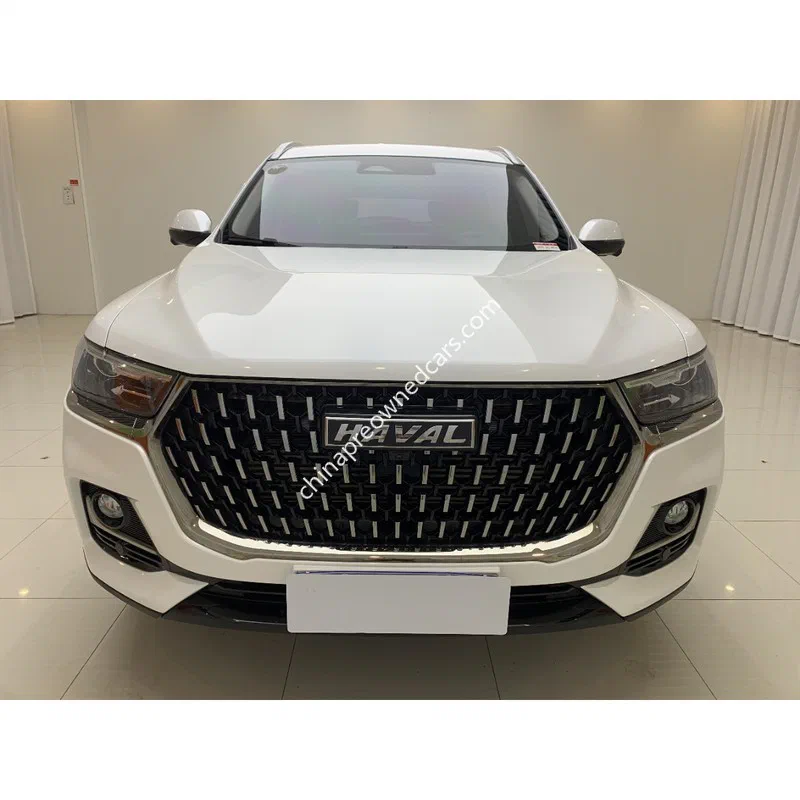
The complete export timeline depends on vehicle preparation, document processing, vessel schedules, customs procedures, and destination requirements. A typical process includes sourcing, inspection, documentation, port delivery, loading, sea transport, and destination clearance. Exporters handling vehicles such as Chery Tiggo 7 Plus, Chery Tiggo 8 Pro, Geely Coolray, and Haval H6 should provide clear information on each stage so buyers can plan receiving arrangements and local support.

FAQ
Q: Can VIN information determine the final export price of a used car? A: VIN information helps identify the vehicle and support valuation, but final pricing also depends on inspection results, condition, equipment, and export costs.
Q: What should be checked before shipping a used vehicle from China? A: Buyers should check VIN details, inspection records, export documents, vehicle condition, battery information for EVs, and destination import requirements before shipment.