The export workflow for a used vehicle from China starts before the vehicle reaches the port. This guide explains inspection, documentation, shipping methods, and port handling for buyers importing Chinese used SUVs and new energy vehicles.
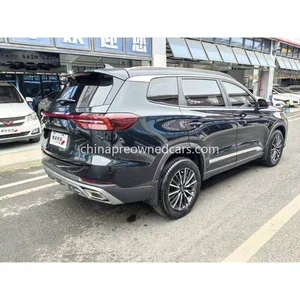
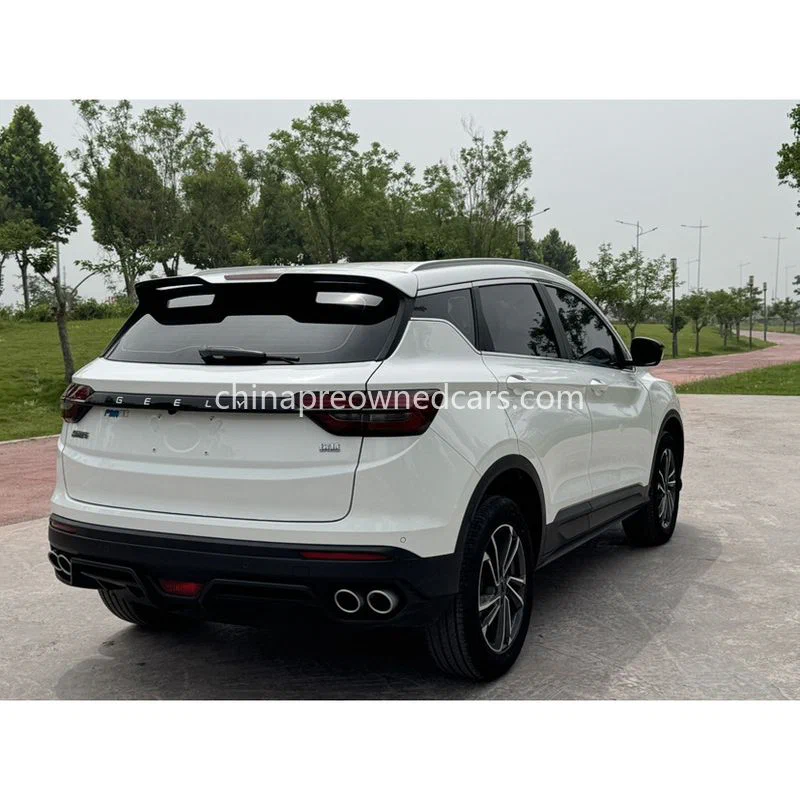
A used vehicle export order normally moves through sourcing, condition assessment, export preparation, customs procedures, and international shipping. Models such as BYD Atto 3, Chery Tiggo 7 Plus, Chery Tiggo 8 Pro, Geely Coolray, and Haval H6 may be selected according to market needs, but each vehicle still requires individual verification before shipment.
Pre-shipment inspection and vehicle preparation
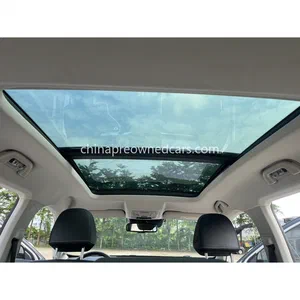
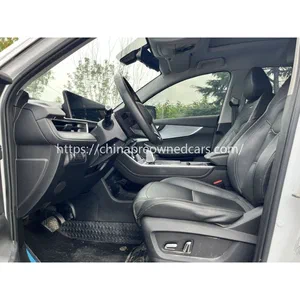
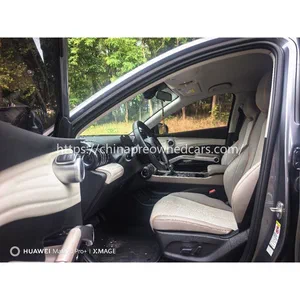
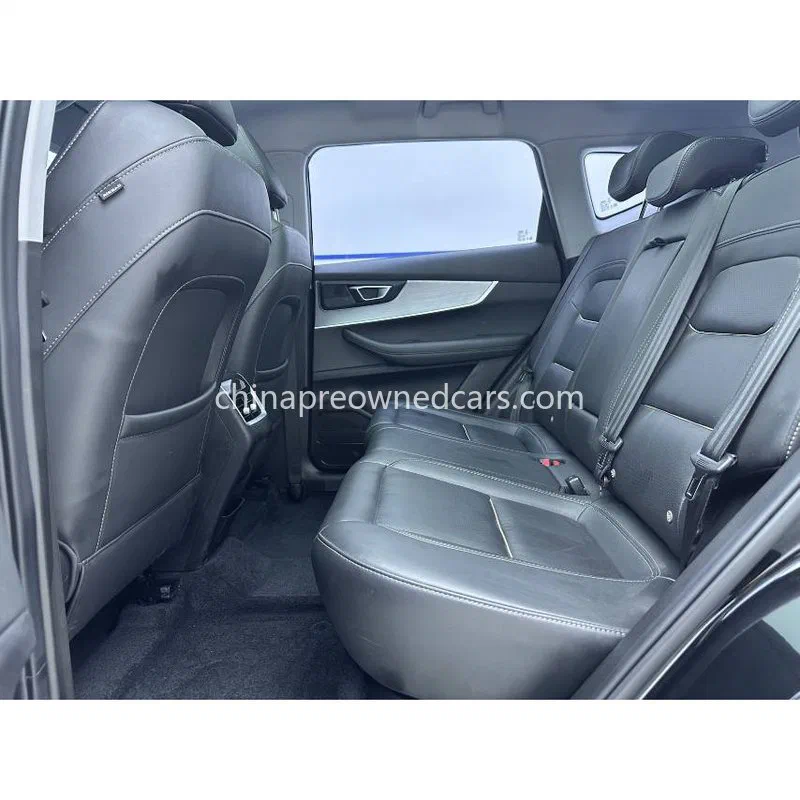
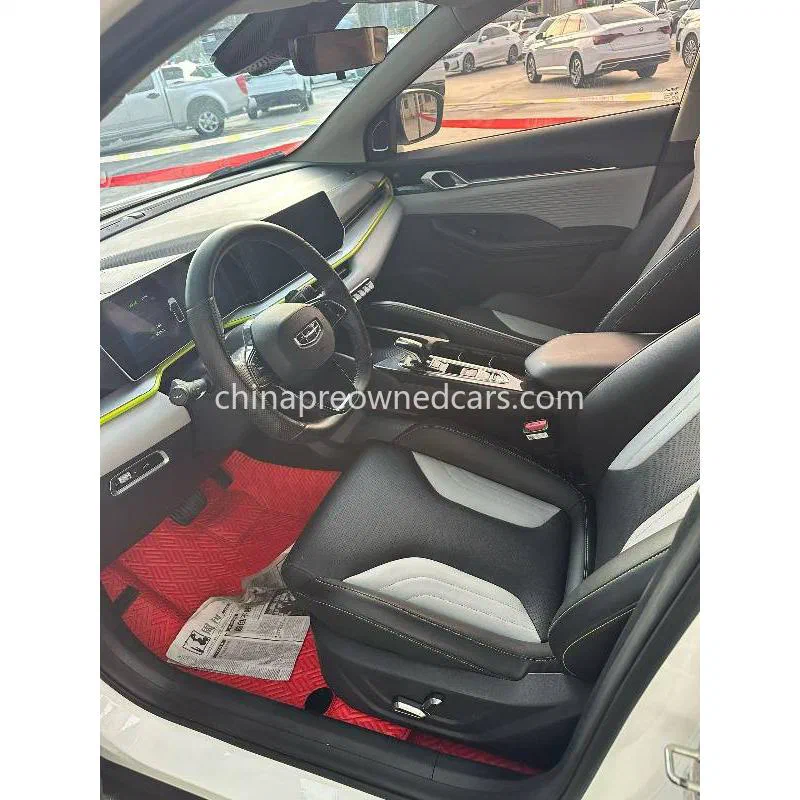
The first practical stage is pre-shipment inspection. The inspection process checks the vehicle identity, VIN information, exterior condition, interior condition, mechanical systems, electrical functions, and maintenance records where available. For electric and hybrid SUVs, the inspection also focuses on battery condition, charging functions, and battery-related transport requirements.
A buyer should review inspection records and understand the condition grading method used by the exporter. Grading should describe observed conditions rather than provide an unconditional guarantee. Items such as previous repairs, mileage records, accident history, and service documents need confirmation before purchase.
Export preparation also includes checking whether the vehicle matches the destination market requirements. Most Chinese domestic vehicles are left-hand drive, so buyers in Ghana, Nigeria, Kenya, Uganda, and Tanzania should confirm local rules on drive side, vehicle age, emissions, and roadworthiness before shipment. Import requirements can change and should be verified with local authorities or customs representatives.

Export documents and customs process
After the vehicle passes preparation checks, the exporter arranges the required export procedures. China used vehicle exports involve export licensing, customs declaration, and pre-shipment inspection. The document package commonly includes export-related paperwork, a bill of lading after shipment booking, and documents such as a certificate of origin when required by the destination process.
Customs clearance requires accurate vehicle information. The VIN, vehicle specifications, ownership documents, and shipping details must match across the export documents. Errors in documentation can delay port processing, so exporters usually review the paperwork before customs submission.
For buyers searching for the best used vehicle under 5000, the purchase decision should not focus only on the vehicle price. Export costs, inspection requirements, documentation, shipping arrangements, and destination charges all affect the final landed cost.
Shipping method and port handling
RoRo shipping and container shipping are the two main methods used for international vehicle transport. RoRo shipping is designed for vehicles that can be driven onto and off the vessel. It is often suitable for regular vehicle shipments and can reduce handling steps, but availability depends on the route and port schedule.
Container shipping places vehicles inside containers for transport. This option can provide additional protection from weather and external contact during transit. It may also suit buyers shipping fewer units or combining vehicles with other cargo, although loading arrangements and container availability need planning.
The choice between RoRo and container shipping depends on route conditions, vehicle type, shipping cost, and risk considerations. Electric vehicles may require additional attention because battery condition and transport procedures differ from conventional combustion vehicles.
After arrival at the destination port, the importer or appointed agent handles local clearance, port procedures, and delivery arrangements. Duties, taxes, inspections, and registration requirements are controlled by the destination country and are separate from the China export process.
The total timeline includes vehicle preparation, inspection, customs processing, vessel booking, ocean transport, and destination clearance. Actual lead times vary by route, shipping method, port conditions, and local procedures. Exporters should provide updates during each stage rather than rely on a single estimated date.
Buyer checks before shipment
Before confirming an order, buyers should verify several points with the exporter. Important checks include VIN confirmation, inspection details, available maintenance records, vehicle specifications, battery health information for EVs, and compatibility with local regulations.
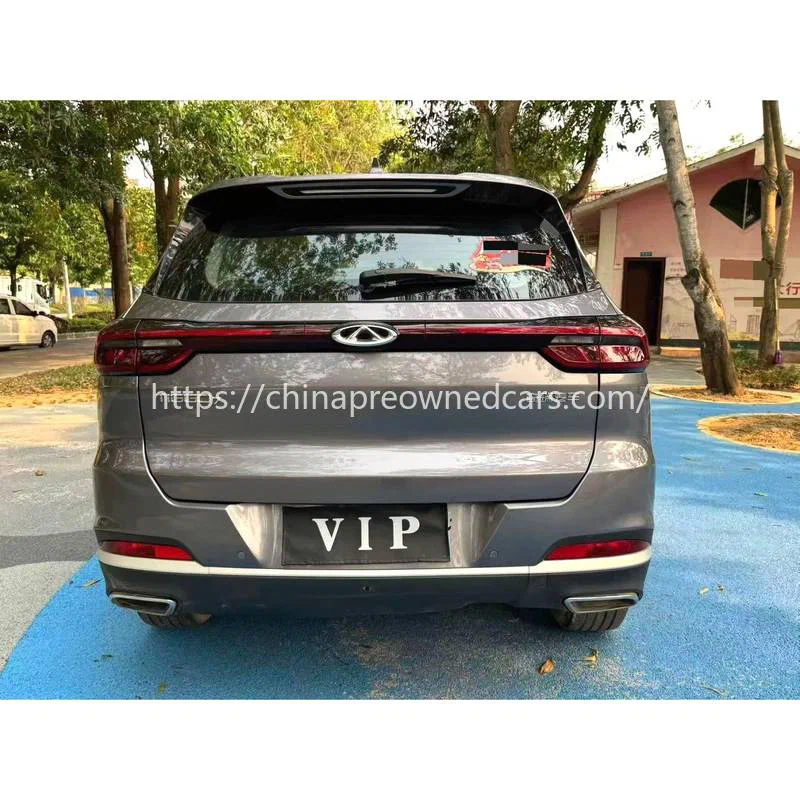
Payment terms should also be reviewed clearly. A professional export process defines what documents are provided, when payments are made, and which services are included. After-sales support may include document assistance, technical information, and communication support after delivery, depending on the exporter’s service scope.
The used vehicle export process works best when every stage is documented. A clear inspection report, accurate export paperwork, suitable shipping method, and awareness of destination rules help reduce avoidable issues during international vehicle import.
FAQ
Q: What documents are needed to export a used vehicle from China? A: Common export documents include customs declaration documents, shipping documents such as the bill of lading, and other documents required by the destination market, such as a certificate of origin.
Q: Should buyers choose RoRo or container shipping for a used vehicle? A: RoRo is commonly used for vehicles that can be driven onto vessels, while container shipping can offer different handling options and protection considerations. The suitable method depends on the route, vehicle type, and shipment plan.