
Used convertibles move from inspection to overseas shipping through a sequence of vehicle checks, export documentation, customs clearance, and port handling. For buyers sourcing convertible cars for sale used, the main priorities are confirming the vehicle’s condition, preparing the required paperwork, and choosing a shipping method that suits the destination and vehicle.
From inspection to export clearance
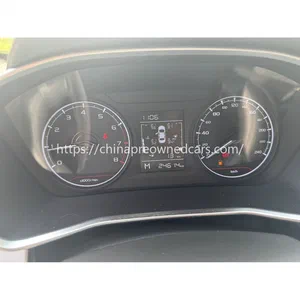
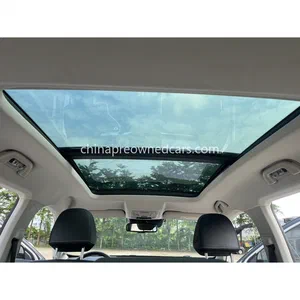
The process starts with a pre-shipment inspection in China. Inspectors should check the bodywork, paint, roof mechanism, seals, windows, lights, tyres, brakes, steering, and underbody. A convertible needs particular attention to roof operation, water ingress, drainage channels, and signs of previous accident repairs. Engine diagnostics or electric powertrain checks should match the vehicle type.
The inspection should also compare the VIN with the registration and export documents, record the odometer reading, and review available service and ownership records. For electric vehicles, battery diagnostics and state-of-health information are important. Inspection reports provide evidence of observed condition, not a guarantee against undiscovered faults. Any certificate or inspection document required by the destination must be confirmed before shipment; there is no single certification that automatically satisfies every importing country.

Export documentation follows. The exporter arranges the applicable export licensing, customs declaration, and supporting vehicle records. Depending on the transaction and destination, the paperwork may include a commercial invoice, packing list where applicable, certificate of origin, and bill of lading issued for the shipment. Names, VINs, quantities, and other details must match across the documents. Missing or inconsistent information can delay customs processing or cargo release.
Choosing shipping and planning the timeline
RoRo shipping is often suitable for vehicles that can be driven onto and off the vessel. It generally avoids the cost and work of container loading, although availability depends on the route and carrier. Vehicles are exposed to port and vessel environments, so buyers should document their condition before handover and check the carrier’s liability terms. Container shipping can suit vehicles needing more enclosed transport or shipments consolidated with other cargo. It adds loading, securing, and unloading requirements, and the total cost depends on container size, handling, and route.
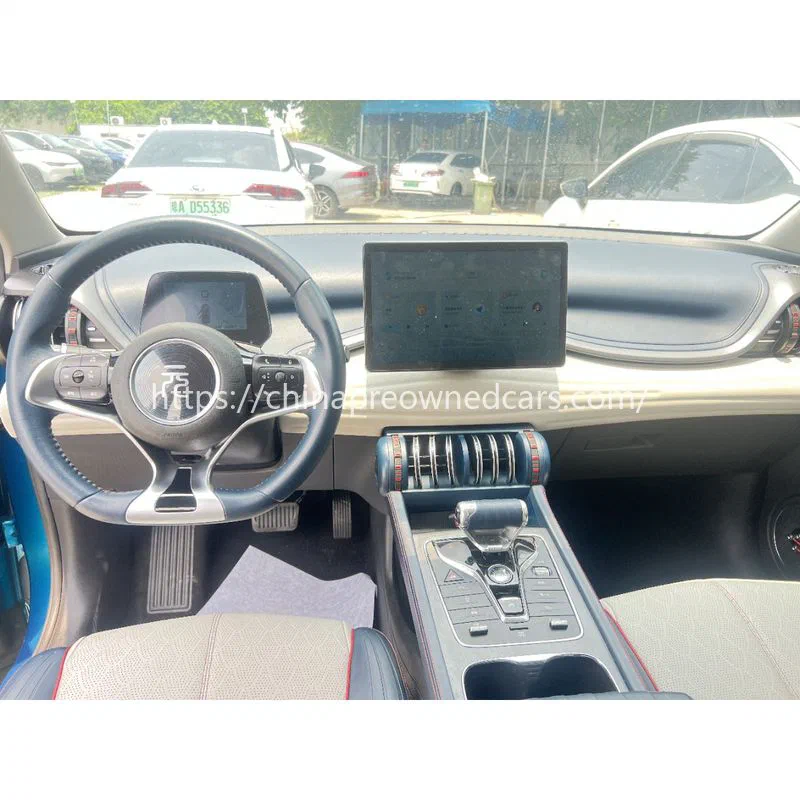
After export clearance, the vehicle moves to the departure port, where the shipping agent coordinates terminal acceptance, required checks, and vessel loading. The bill of lading records the shipment and is an important document for cargo release. Port schedules, customs processing, vessel availability, and transshipment can all affect timing. Preparation and booking may take days or longer, while sea transit varies considerably by route. Buyers should obtain a shipment-specific schedule rather than rely on a fixed delivery promise.
For shipments to Ghana, Nigeria, Kenya, Uganda, or Tanzania, the importer should confirm current rules on vehicle age, emissions, roadworthiness, and left-hand-drive eligibility before paying the balance or authorising dispatch. Requirements can change, and port charges, duties, taxes, and clearance costs are separate from the vehicle purchase price unless the contract states otherwise. Written payment milestones and clear responsibility for destination charges reduce disputes. The final shipping file should include the inspection report, agreed vehicle details, export records, and transport documents for the destination clearing agent.
FAQ
Q: Is pre-shipment inspection compulsory for every used vehicle export?
A: Export and destination requirements vary. The exporter and importer should confirm the applicable inspection and certification requirements before the vehicle is dispatched.
Q: Is RoRo or container shipping better for a used convertible?
A: RoRo can be economical for standard vehicle shipments, while a container provides enclosed transport. The appropriate choice depends on route availability, budget, handling arrangements, and the vehicle’s condition.
Q: How long does it take to ship a used car from China?
A: The total process includes inspection, documentation, customs clearance, port handling, and sea transit. Actual timing depends on the departure port, vessel schedule, destination, and customs procedures.