
Assessing vehicle condition is crucial for estimating the value of used cars. Buyers need to understand the grading system that reflects a vehicle’s cosmetic and mechanical health. This assessment typically involves checking for any signs of wear, accident history, and overall maintenance records, which can significantly influence the price.
Grading Used Vehicles
Used vehicles are usually graded on a scale that may include categories such as “excellent,” “good,” “fair,” and “poor.” Factors considered in this grading include:
- Cosmetic condition: Look for scratches, dents, or rust.
- Mechanical health: Check the engine, transmission, and brakes.
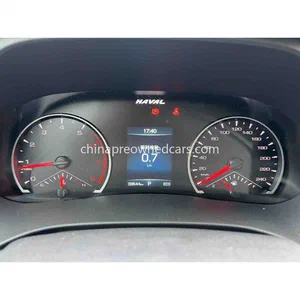
- Mileage bands: Different mileage ranges can affect value; higher mileage typically lowers it.
- Service history: A comprehensive service record can enhance a vehicle’s worth.
Export-grade or dealer-grade vehicles generally indicate that they meet specific standards suitable for resale. Buyers should understand that not all vehicles labeled as such are equal; verifying the specific checks performed is essential.
Inspection and Verification

Inspection encompasses various aspects but may not cover everything a buyer should know. Common checks include:
- Pre-shipment inspection to ensure roadworthiness.
- Verification of major systems like the battery health in electric vehicles, particularly with used EVs.
- Document reviews to confirm the vehicle’s history and compliance with local regulations.
It’s advisable for buyers to conduct their own assessments or obtain a pre-purchase inspection from a trusted mechanic. This additional verification can help identify potential issues that might not be apparent during a standard inspection.
Red Flags to Watch For
When evaluating used vehicles, certain red flags should prompt further investigation. These include:
- Inconsistent service records or missing documentation.
- Signs of water damage or rust underneath the vehicle.
- Unusual noises or performance issues during a test drive.
- Any discrepancies in the vehicle identification number (VIN) or title history.
Buyers should be cautious and perform due diligence, as these factors can indicate underlying problems that may affect vehicle reliability and resale value.
Practical Buyer Guidance
Buyers should take several steps before finalizing a purchase. Key actions include:
- Confirming the vehicle’s condition through independent inspections.
- Understanding local import regulations, including emission standards and vehicle age limits.
- Reviewing payment terms and shipping lead times, which can vary based on the destination country.
- Assessing after-sales support options, as some exporters may offer warranties or maintenance services.
This thorough approach will enable buyers to accurately calculate the price for used cars and ensure they make informed decisions.
FAQ
Q: What does “export-grade” mean in terms of vehicle condition?
A: “Export-grade” indicates that a vehicle meets certain standards necessary for resale in international markets, usually involving a thorough inspection.
Q: How can I verify a vehicle’s history before purchasing?
A: Buyers should check the VIN against databases for accident reports and service history to ensure transparency and reliability.
Q: What should I look for during a pre-purchase inspection?
A: Focus on the engine’s performance, transmission functionality, and any signs of wear or damage, particularly in high-usage areas.