A preowned vehicle moves from China to an overseas port through sourcing, inspection, export clearance, shipping, and destination handling. The buyer should treat each stage as a document and verification checkpoint, not as one single transaction.
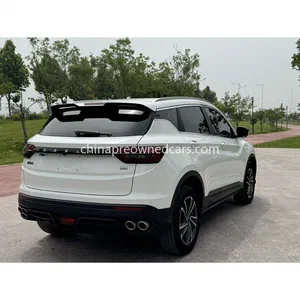
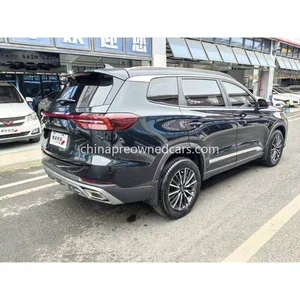
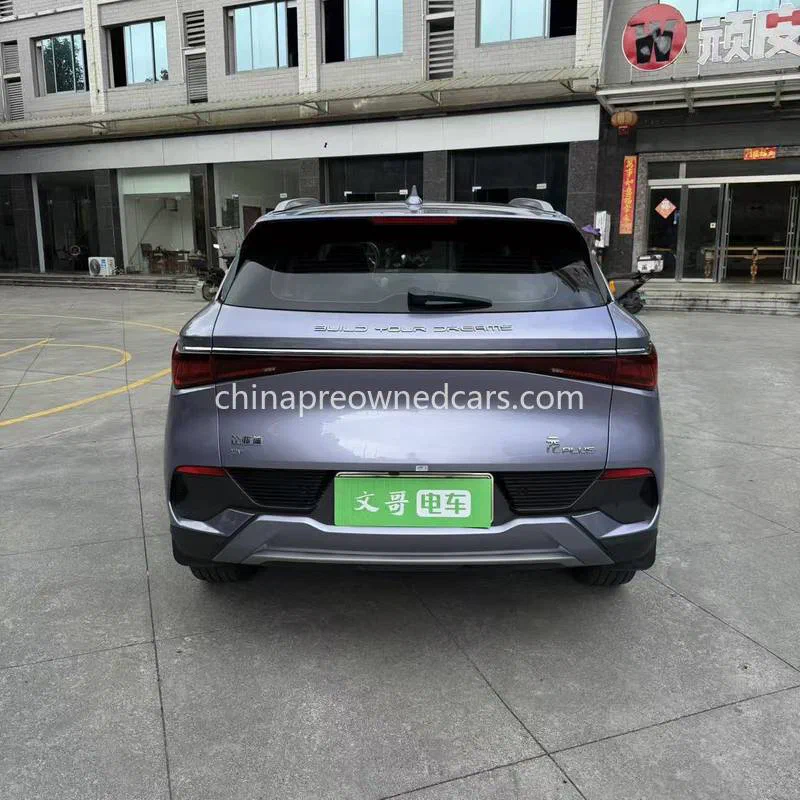
The process begins when the exporter confirms the required model, powertrain, drive side, destination country, and port. Available sourcing may include the BYD Atto 3, Chery Tiggo 7 Plus, Chery Tiggo 8 Pro, Geely Coolray, and Haval H6. The exporter then checks the domestic vehicle record, VIN, ownership status, service evidence, mileage history, and visible condition before presenting a unit for approval. These checks help define the commercial terms, but they do not replace an independent review of the final vehicle.
Inspection before export
Pre-shipment inspection is a required part of China’s used vehicle export process. An authorized inspection arrangement checks the vehicle’s identity and basic roadworthiness before export, with findings recorded in the applicable inspection documentation. Buyers should request the inspection result and confirm that the VIN, model, powertrain, and vehicle photographs match the unit being purchased. A document should not be accepted merely because it is labelled as a certificate.
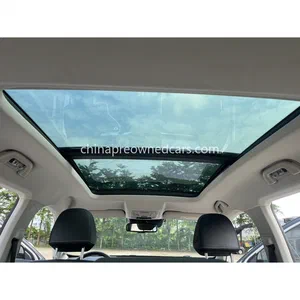
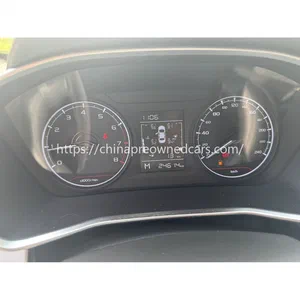
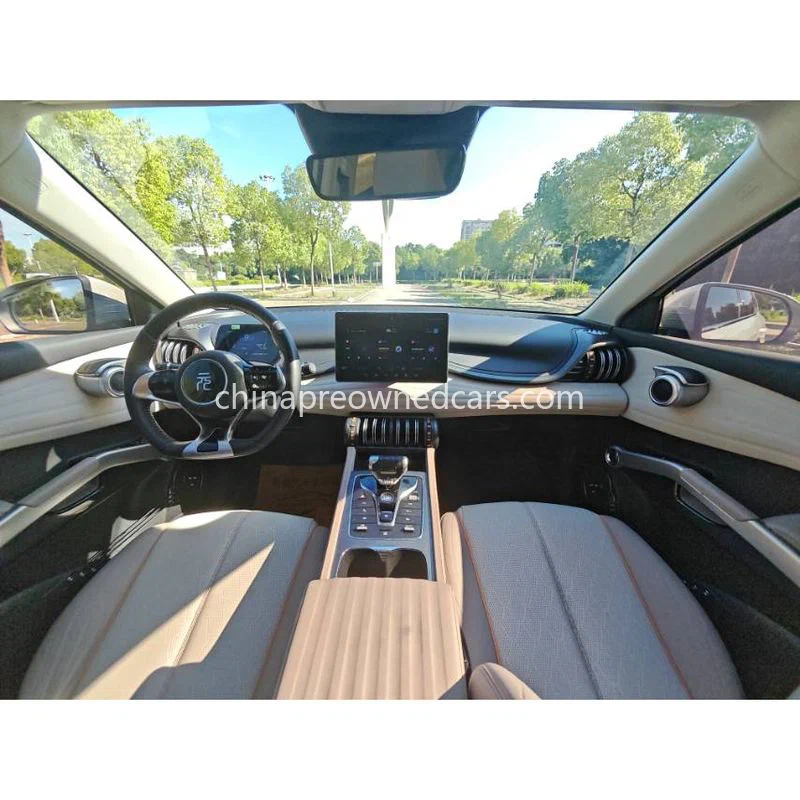
The physical inspection normally covers the body, glass, lights, tyres, brakes, steering, suspension, underbody, engine or electric drive system, dashboard warnings, safety equipment, and signs of water or accident damage. For an electric vehicle such as the BYD Atto 3, battery state of health, charging performance, battery warning codes, and visible damage to the battery housing require separate attention. Combustion and hybrid vehicles also need checks on the engine, transmission, cooling system, and high-voltage components where fitted.

Condition grading should be tied to evidence. A buyer can ask for cold-start or drive-test footage, diagnostic screenshots, underbody images, tyre readings, and close photographs of repaired panels. Mileage should be compared with service records and electronic diagnostics. Any agreed repair, replacement, or accessory should appear in writing before payment. This is the practical basis for evaluating preowned car deals, rather than relying on a broad grade such as “excellent.”
Documentation and clearance
After the vehicle is approved, the exporter prepares the export file. China’s used vehicle exports require an export licence, customs declaration, and pre-shipment inspection. The file commonly includes the commercial invoice, packing or vehicle details, export documentation, inspection papers, and a certificate of origin where required by the transaction or destination authorities. The bill of lading is issued by the carrier after loading and serves as the key transport document for cargo release.
Names, VINs, model descriptions, consignee details, ports, and declared values must agree across the documents. Even a small mismatch can delay customs processing or create problems when the vehicle reaches Ghana, Nigeria, Kenya, Uganda, or Tanzania. The importer should confirm which documents must be original, which may be electronic, and whether a local agent needs additional translation, registration, or valuation papers. Destination customs rules are separate from China’s export requirements.
Shipping is usually arranged by RoRo or container. RoRo suits a running vehicle that can be driven onto the vessel and is often simpler for standard SUV shipments. It may reduce handling and packing work, but the vehicle is exposed to the port environment and cannot normally carry loose personal cargo. Container shipping is useful for a non-running vehicle, higher-value cargo, or a combined shipment, and it provides a controlled enclosed space. The trade-off is container loading, securing, possible handling damage, and charges for equipment or consolidation.
Port arrival and buyer controls
Once customs export clearance is complete, the vehicle is moved to the departure port, booked against a sailing, and checked into the carrier system. Port handling can include gate inspection, terminal storage, loading, securing, and release of the bill of lading. Sailing schedules and transshipment points change, so a realistic lead time is measured in several stages: vehicle preparation, inspection and clearance, port booking, ocean transit, and destination release. Delays can arise from vessel changes, congestion, weather, documentation issues, or customs review.
At the destination port, the consignee or appointed clearing agent handles arrival notices, customs entry, taxes and fees, port charges, inspection requirements, and vehicle collection. Import rules differ by country and may address vehicle age, emissions, drive side, roadworthiness, battery handling, and registration. Most Chinese domestic vehicles are left-hand drive, which may limit use in markets that require right-hand-drive vehicles unless a suitable unit is specifically sourced. Ghana, Nigeria, Kenya, Uganda, and Tanzania each require current confirmation from local authorities before purchase.
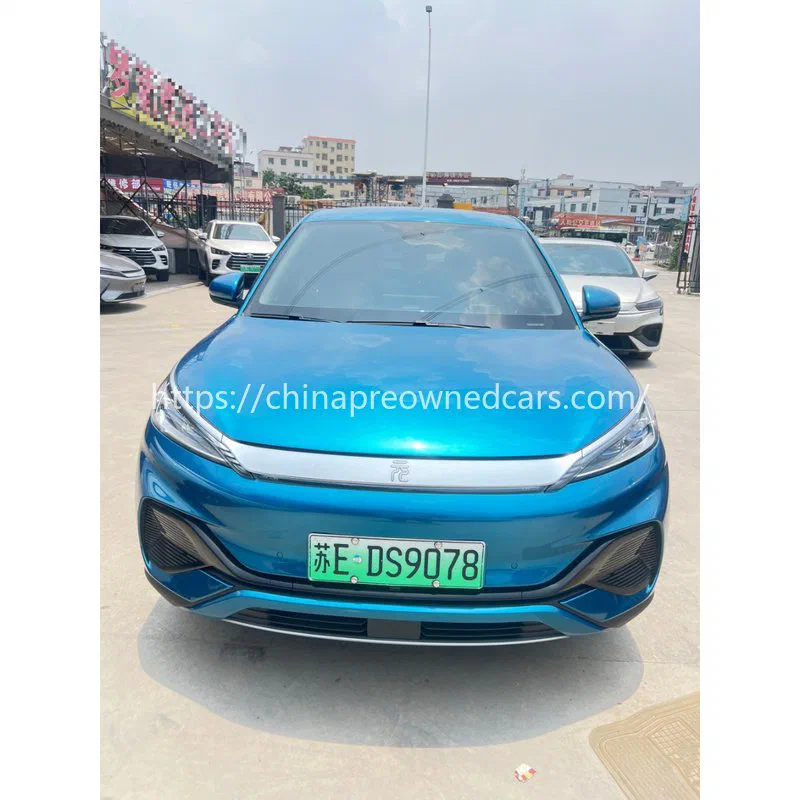
Payment terms should connect to verifiable milestones. The pro forma invoice should identify the exact vehicle, VIN, agreed condition scope, shipping method, destination port, included documents, and any excluded local charges. Buyers should confirm the exporter’s legal identity, bank account details, cancellation terms, inspection access, and process for damage claims. After-sales support should be defined in practical terms, such as remote technical assistance, parts sourcing, diagnostic guidance, and referral to local repair providers; it should not be treated as a substitute for local warranty coverage.
FAQ
Q: What documents are needed to import a used car from China? A: The core file normally includes the export licence, customs declaration, pre-shipment inspection documentation, commercial invoice, bill of lading, and certificate of origin where applicable. The destination country may require additional customs, registration, translation, or valuation documents.
Q: Is RoRo or container shipping better for an SUV? A: RoRo generally fits a running SUV and may involve less packing, while a container suits non-running vehicles or cargo that needs enclosed protection. The final choice depends on handling risk, port availability, cargo arrangements, and total charges.
Q: How long does delivery from China to the destination port take? A: The full process usually takes several weeks, but preparation, vessel schedules, transshipment, congestion, and customs procedures can change the timeline. A confirmed estimate should separate China-side handling, ocean transit, and destination clearance.