
Mileage and service history are two important factors in assessing the grade of a used vehicle, but neither tells the full story on its own. For export buyers, a reliable assessment combines recorded mileage, maintenance evidence, cosmetic condition and mechanical inspection to establish what can be verified before shipment.
How Mileage Influences Used Vehicle Grades
Mileage provides a useful starting point for evaluating a pre-owned vehicle. It indicates how much the vehicle has been driven, but it does not directly establish its remaining service life. A vehicle with relatively low mileage may still have problems caused by poor maintenance, long periods of inactivity or unsuitable storage conditions. Another vehicle with higher mileage may remain in sound working order if its servicing has been consistent.
For grading purposes, mileage is normally considered alongside the vehicle’s age and intended use. Lower-mileage examples may receive a more favourable assessment, provided their mechanical condition supports the recorded figure. Higher-mileage vehicles require closer attention to wear on suspension components, steering, brakes, tyres and drivetrain parts. Buyers should also compare the odometer reading with available service records and previous inspection documents. Any unexplained gaps or inconsistencies should be investigated before a purchase decision is made.
Mileage bands can help exporters organise vehicle selections, but there is no universal international grading standard. One supplier may classify a vehicle as a higher-grade unit based on its mileage and appearance, while another may apply stricter mechanical criteria. Buyers should request the actual odometer reading rather than relying only on labels such as low mileage or premium grade. This is particularly important when comparing vehicles intended for different operating conditions in Ghana, Nigeria, Kenya, Uganda and Tanzania.
Service History and Physical Condition
Service history provides evidence of how a vehicle was maintained during its previous ownership. Useful records include dated maintenance invoices, workshop entries, replacement-part details and records of major repairs. These documents can help establish whether routine servicing was carried out and whether recurring mechanical problems were addressed. However, a service booklet with regular entries is not proof that every repair was performed correctly. The issuing workshop, dates, mileage progression and descriptions of completed work should be checked for consistency.
A missing service history does not automatically make a vehicle unsuitable for export. Some vehicles from China’s domestic market have incomplete paperwork even when their current condition is acceptable. In these cases, an independent mechanical inspection becomes more important. Buyers should ask for an explanation of missing records and seek additional evidence, such as maintenance invoices or diagnostic results. If the seller cannot substantiate a major repair claim, that uncertainty should be reflected in the assessment.
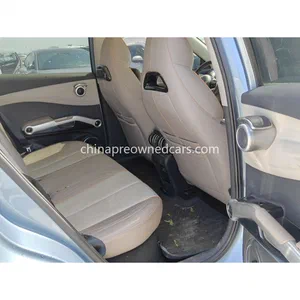
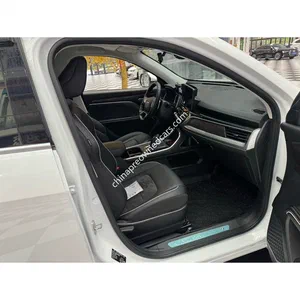
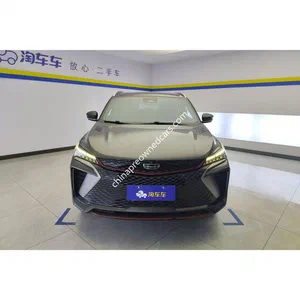
Cosmetic grading is another part of the process. Inspectors typically examine exterior paint, body panels, glass, lights, wheels, interior trim and seat condition. Scratches, dents, faded paint and worn upholstery may affect the cosmetic grade without indicating a serious mechanical fault. Structural damage is different. Evidence of previous collision repairs, uneven panel gaps, replaced structural sections or inconsistent paint thickness deserves further investigation. A clean exterior should never be treated as proof that a vehicle has not been involved in an accident.
Mechanical assessment focuses on the systems that affect operation and safety. Depending on the vehicle, inspection may cover the engine, transmission, suspension, steering, braking system, cooling system, electrical equipment and diagnostic fault codes. For a BYD Atto 3, battery condition and high-voltage system diagnostics also matter. Hybrid vehicles require attention to both their combustion and electric drive systems. A Chery Tiggo 7 Plus, Chery Tiggo 8 Pro, Geely Coolray or Haval H6 should be assessed according to its actual powertrain and equipment rather than a generic checklist. Buyers considering electric or hybrid vehicles should request available battery state-of-health information, diagnostic records and charging-system checks.
What Export-Grade Assessment Actually Confirms
Terms such as export-grade, dealer-grade and certified pre owned gm vehicles can appear in used vehicle listings, but they do not automatically represent a recognised international certification. In the Chinese used vehicle export trade, buyers should ask what inspection standard supports each description. A meaningful grade should be connected to documented findings, not simply an attractive sales label. The assessment should identify the vehicle’s cosmetic condition, mechanical findings, mileage and known repair history, with limitations clearly stated.
A pre-shipment inspection can provide useful evidence before the vehicle leaves China. Buyers should request photographs, a walk-around video and an inspection report showing the VIN, odometer reading, visible damage and test results. Where available, diagnostic scans and battery reports should be included. The VIN should match the vehicle and relevant export documents. Buyers can also ask for photographs of areas that are difficult to assess from standard exterior images, including the engine compartment, underbody, interior and instrument panel.

An inspection has limits. It represents the vehicle’s condition at a particular time and cannot guarantee future performance. A standard visual inspection may not reveal concealed accident damage, intermittent electrical faults, internal engine wear or problems that only appear under extended driving conditions. Diagnostic equipment also cannot establish every aspect of a vehicle’s maintenance history. For electric vehicles, a battery report provides useful information about recorded state of health, but it does not guarantee future battery capacity or exclude every cell-level issue.
Condition red flags include mileage records that do not follow a logical progression, warning lights that disappear without an explanation, inconsistent VIN markings, signs of flood exposure and evidence of major structural repairs. Unusual noises, fluid leaks, uneven tyre wear and poor panel alignment also deserve attention. For EVs, buyers should investigate charging faults, abnormal battery temperature warnings and unexplained differences between displayed range and diagnostic information. Any unresolved issue should be recorded in writing before payment and shipping arrangements are finalised.
For export buyers, the practical standard is evidence rather than terminology. A vehicle should be evaluated against its intended destination and operating requirements, including road conditions, available repair facilities and charging infrastructure where relevant. Most Chinese domestic vehicles are left-hand drive, so buyers in Ghana, Nigeria, Kenya, Uganda and Tanzania should confirm the destination’s current registration and import requirements before selecting a unit. Export licensing, customs declaration and pre-shipment inspection are separate parts of the export process; a favourable vehicle grade does not replace them. Buyers should also confirm that the final inspection findings, commercial invoice, VIN details and shipping documents refer to the same vehicle. Clear documentation makes it easier to identify discrepancies before the vehicle is loaded for RoRo or container transport.
FAQ
Q: Is low mileage enough to classify a used vehicle as high grade?
A: No. Mileage must be assessed alongside mechanical condition, maintenance records, age and evidence of previous damage.
Q: Does a pre-shipment inspection guarantee the vehicle’s condition after delivery?
A: No. It documents findings at the time of inspection but cannot guarantee future performance or identify every concealed defect.
Q: What documents should buyers request before purchasing a used vehicle from China?
A: Request the VIN, available service records, inspection report, mileage evidence and relevant diagnostic results. Confirm that the export and shipping documents match the vehicle before dispatch.