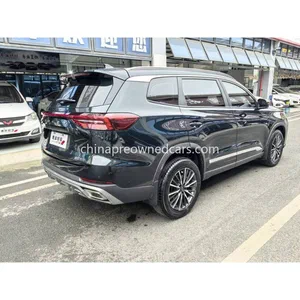

For left-hand drive SUV exports, preparation involves a detailed workflow to ensure vehicles meet both export and import requirements. This process includes pre-shipment inspections, documentation, shipping arrangements, and coordination with port handling.
Pre-shipment inspection is a critical step, focusing on vehicle condition, safety features, and compliance with destination market standards. Inspectors check key areas such as engine performance, brake systems, lighting, and tire condition, as well as emission levels and odometer readings. Certification of this inspection is mandatory for customs clearance in most importing countries, ensuring that the vehicle adheres to local regulations and is roadworthy upon arrival. Buyers should request these inspection reports to verify compliance.
Export documentation is another essential component. A complete and accurate set of documents—like the customs declaration, bill of lading, and certificate of origin—is required to facilitate smooth international shipping. The customs declaration outlines the vehicle’s details, while the bill of lading serves as a receipt of shipment and ownership. The certificate of origin verifies the vehicle’s production source, which is often necessary for calculating import duties. Missing or incorrect documentation can lead to delays or additional costs at the destination port.
Once the paperwork is in order, the vehicle’s shipping method needs to be determined. Roll-on/Roll-off (RoRo) shipping is often the most cost-effective method, particularly for bulk shipments. Vehicles are driven onto the vessel and secured, minimizing handling but exposing them to external elements during transit. Container shipping, by contrast, offers better protection against weather and potential damage but comes at a higher cost. The choice depends on factors like the destination, budget, and volume of the shipment.
Port handling is a coordinated effort involving both the exporting and importing countries. In China, export terminals are equipped to process large volumes of vehicles efficiently, whether for RoRo or container shipping. Upon arrival at the destination port, the vehicles must clear local customs inspections and any quarantine checks. Buyers should be aware of potential port storage fees if vehicles are not collected promptly.

Shipping lead times vary depending on the destination. For example, transit to African ports usually ranges from a few weeks to over a month. Factors like shipping schedules, customs processing, and port congestion can influence timelines. Buyers are advised to plan their purchases and logistics well in advance to avoid unnecessary delays.
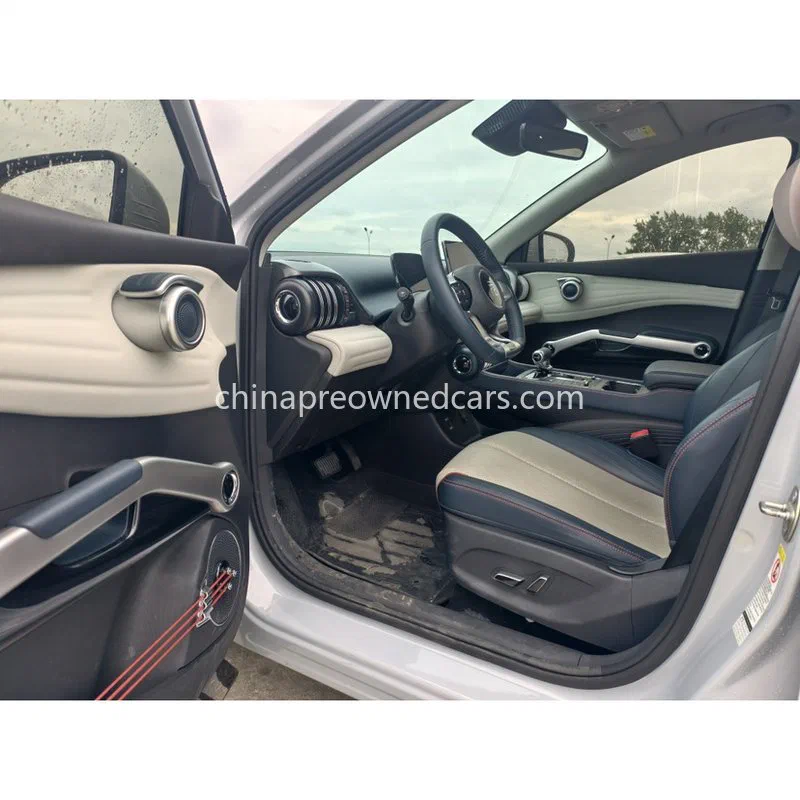
Finally, buyers should confirm vehicle specifications against the requirements of their target market. Most SUVs in China’s domestic market are left-hand drive, which aligns well with countries where this configuration is standard, like those in West Africa. However, importers must also consider restrictions on vehicle age, emission standards, and other local regulations. Staying informed about these rules is essential to ensure a smooth import process.
FAQ
Q: What does pre-shipment inspection involve for exported SUVs?
A: It includes checks on vehicle condition, safety features, odometer readings, and compliance with emission standards. Certification is required for export.
Q: What is the difference between RoRo and container shipping for SUVs?
A: RoRo is cost-effective and ideal for bulk shipments but exposes vehicles to the elements. Container shipping offers better protection but is more expensive.