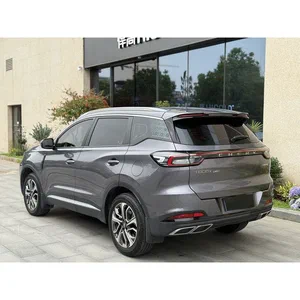
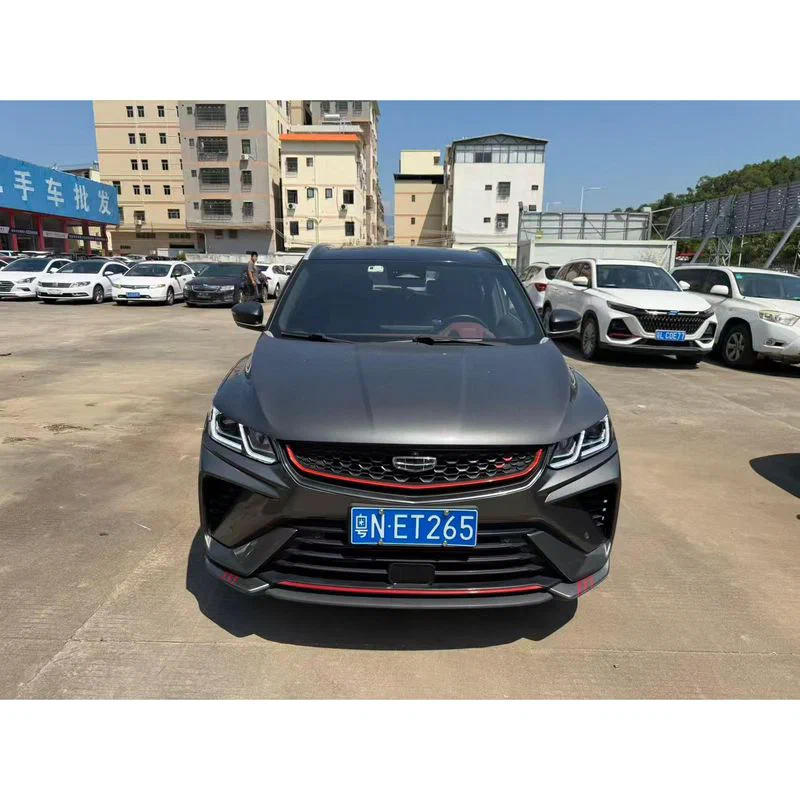
Hybrid SUVs exported from China to African markets must comply with specific import regulations. These include pre-shipment inspections, customs clearance, and documentation requirements, in addition to considerations for shipping methods and lead times. This article explains the step-by-step process involved in exporting hybrid SUVs, such as the BYD Atto 3 and Chery Tiggo 8 Pro, to African countries like Ghana, Nigeria, and Kenya.
Pre-Shipment Inspection and Certification
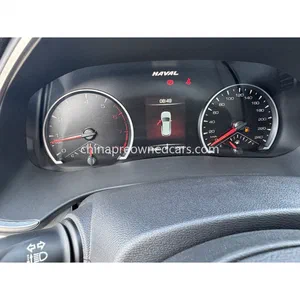
Before leaving China, every hybrid SUV undergoes a mandatory pre-shipment inspection. This ensures compliance with both Chinese export standards and the destination country’s import regulations. Key areas inspected include the vehicle’s mechanical condition, odometer reading, emission compliance, and overall roadworthiness. Battery state-of-health is a critical factor for hybrid vehicles and is typically tested and documented. A certification report is issued upon successful inspection, which is required for customs clearance at the destination port.
Export Documentation Requirements
Exporting hybrid SUVs involves several key documents. The customs declaration must detail the vehicle’s specifications, value, and country of destination. A bill of lading, issued by the shipping line, serves as proof of shipment and is essential for the vehicle’s release at the destination port. Additional documents, such as a certificate of origin and commercial invoice, may be required depending on the importing country’s regulations. Buyers should confirm the specific documentation needed for their market to avoid delays.
Shipping Methods: RoRo vs. Container
Hybrid SUVs can be shipped via two primary methods: roll-on/roll-off (RoRo) or container shipping. RoRo is often more cost-effective and suitable for high-volume shipments, as vehicles are driven directly onto the ship and secured in designated areas. However, this method exposes vehicles to potential minor damages during transit. Container shipping, while more expensive, offers better protection as the vehicle is loaded into a sealed container. This is often the preferred option for high-value units or where additional cargo accompanies the vehicle.
Port Handling and Customs Clearance
Once the vehicle arrives at the destination port, it undergoes customs clearance. This process involves verifying the shipment against the export documentation and the pre-shipment inspection certificate. Customs authorities also ensure compliance with local import regulations, such as emission standards and vehicle age limits. It is crucial for buyers to have all required paperwork in order, as incomplete or inaccurate documentation can lead to delays or additional fees.

Typical Shipping Lead Times
Shipping lead times for hybrid SUVs from China to Africa vary depending on the destination port and shipping method. RoRo services generally offer faster turnaround times due to their streamlined loading and unloading processes. Container shipments may take slightly longer due to additional handling requirements. Typically, shipping to African ports takes between three to five weeks, but buyers should consult with the exporter for a more precise timeline.
Key Considerations for Buyers
Purchasers of hybrid SUVs for the African market should verify several factors before committing to a purchase. These include the vehicle’s condition, mileage, and service history, as well as the validity of the pre-shipment inspection certificate. For hybrid models, it is essential to review the battery health report to ensure long-term performance. Buyers should also confirm payment terms and clarify responsibilities for any additional fees, such as port charges or import duties, at the destination.

After-Sales and Support
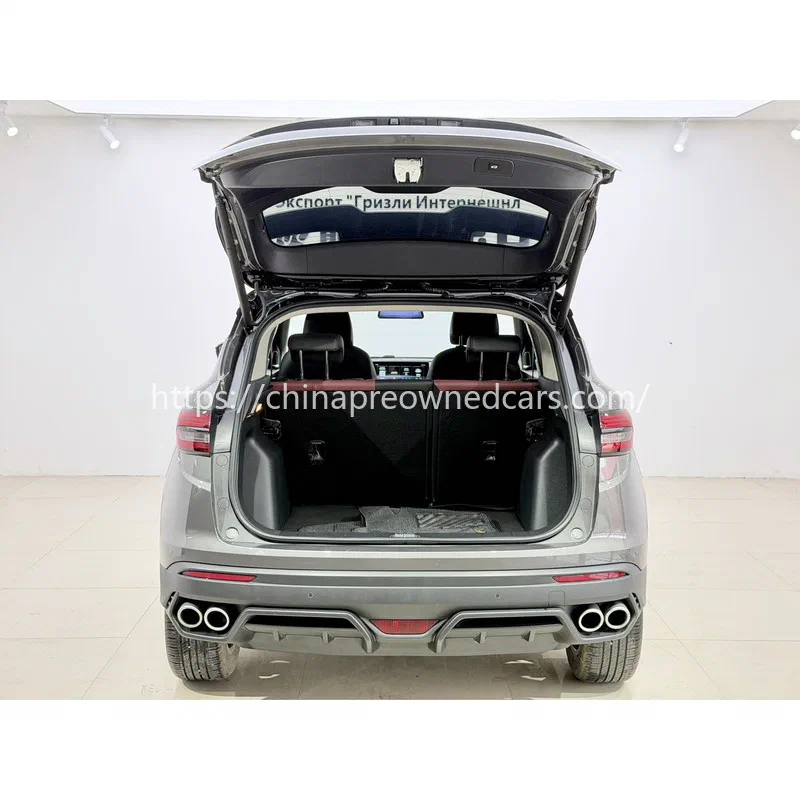
After-sales support plays a vital role in maintaining buyer confidence. Many exporters offer assistance with spare parts procurement and technical support for hybrid SUVs, ensuring their continued functionality in the importing country. It is advisable to confirm the availability of these services before finalizing a purchase. Buyers should also inquire about warranty terms, if applicable, to better understand the scope of coverage provided.
FAQ
Q: What documents are required to export a hybrid SUV to Africa?
A: Key documents include the customs declaration, bill of lading, certificate of origin, commercial invoice, and pre-shipment inspection certificate.
Q: How should I choose between RoRo and container shipping?
A: RoRo is cost-effective and quicker, but container shipping offers better protection. High-value vehicles may benefit from the added security of container transport.