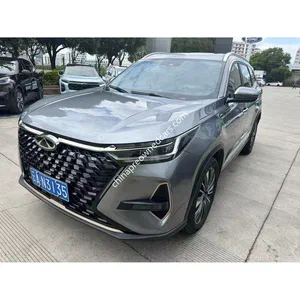
The export process for used cars from China involves several key stages that can impact the price used cars for sale. Factors such as pre-shipment inspections, export documentation, and shipping methods all play a role in determining the final cost of a vehicle. Understanding these components is essential for any buyer looking to import vehicles to markets in Africa, the Middle East, or South America.
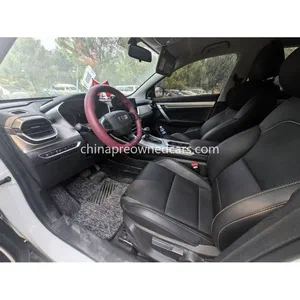
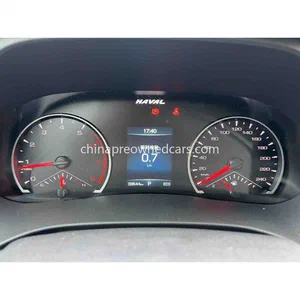
Pre-shipment inspection is a critical step in the export workflow. This process typically includes a thorough evaluation of the vehicle’s condition, including checks on the engine, transmission, bodywork, and interior. Certification from a recognized authority may be required to validate the inspection, which ensures that the vehicle meets the destination market’s standards. Buyers should verify that the inspection report is complete and accurate before proceeding.
Export documentation is another important aspect that affects pricing. Key documents include the customs declaration, bill of lading, and certificate of origin. These documents are necessary for customs clearance in the destination country and can influence the overall cost of the transaction. Buyers should ensure that all paperwork is in order to avoid delays or unexpected charges during the shipping process.
Shipping methods also impact the price and condition of used vehicles. Typically, vehicles can be shipped via RoRo (Roll-on/Roll-off) or in containers. RoRo shipping is generally more economical and allows for quicker loading and unloading, but it may expose vehicles to weather and handling risks. On the other hand, container shipping provides better protection but can be more expensive. Buyers should weigh the costs and benefits of each method while considering their specific needs.
Port handling is an additional factor that can influence pricing. Charges related to unloading, storage, and customs processing can add to the total cost of importing a vehicle. Buyers should be aware of these potential fees and factor them into their budget. Typical shipping lead times vary, but buyers can expect a range of 15-25 days for most shipments, depending on the destination and shipping method.
To ensure a smooth purchasing experience, buyers should verify the vehicle’s history, including any prior accidents or modifications. Payment terms should also be clearly defined, as they can vary by exporter. After-sales support is another consideration, as it can affect the overall satisfaction with the purchase. Understanding these elements helps buyers make informed decisions and navigate the complexities of the vehicle export process.

FAQ
Q: What is involved in the pre-shipment inspection of used vehicles?
A: The pre-shipment inspection includes checks on the vehicle’s mechanical components, bodywork, and interior, ensuring it meets the necessary standards.
Q: What documents are required for exporting used cars from China?
A: Key documents include the customs declaration, bill of lading, and certificate of origin, all essential for customs clearance in the destination country.
Q: How do shipping methods affect the cost of imported vehicles?
A: Shipping methods like RoRo are generally cheaper but risk exposure to elements, while container shipping offers better protection at a higher cost.