Evaluating the quality of used vehicles is essential for buyers looking to import from markets such as Ghana, Nigeria, Kenya, Uganda, and Tanzania. It is important to understand how vehicles are graded based on their condition, along with the inspection process and what documentation is necessary for successful export. Buyers should also be aware of potential red flags in vehicle quality that may affect their purchase decisions.
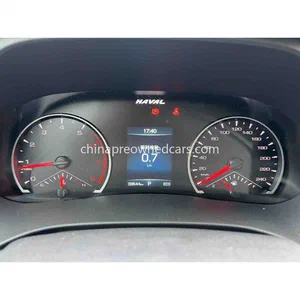
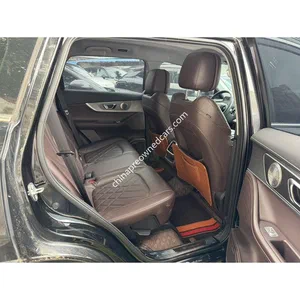
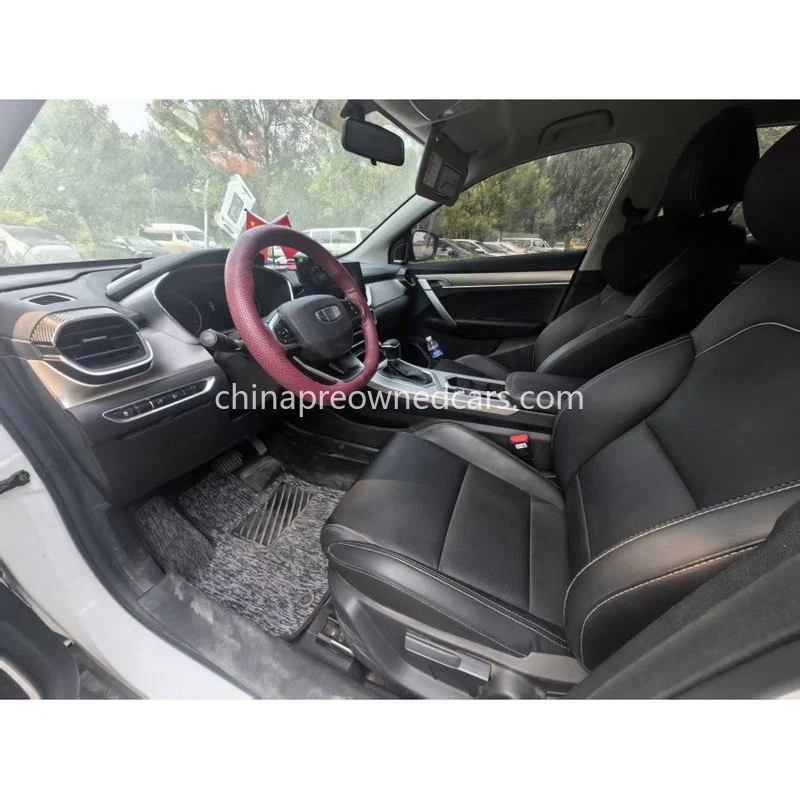
Used vehicles are typically graded on several factors, including cosmetic condition, mechanical health, mileage, and service history. Cosmetic condition often considers factors such as paint quality, dents, and overall appearance. Mechanical health involves a thorough assessment of engine performance, transmission functionality, and the state of critical components like brakes and suspension. Mileage bands often categorize vehicles as low, medium, or high mileage, which can influence their overall condition and resale value. Service history provides insight into how well the vehicle has been maintained over time, including records of regular servicing and any major repairs.
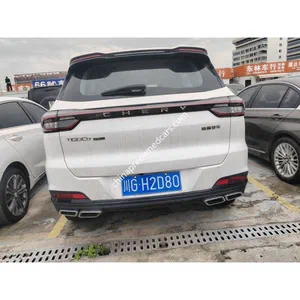
The inspection process is a key part of verifying vehicle condition. It often involves checking for signs of wear, rust, and any previous accidents. Pre-shipment inspections are mandatory for export and typically include a thorough mechanical evaluation and documentation of the vehicle’s condition. However, it’s important to note that inspections may not cover every aspect of the vehicle, such as hidden damages or issues that may arise after purchase. Buyers are encouraged to perform their own assessments or consider third-party inspections to ensure comprehensive evaluation.
Terms like “export-grade” or “dealer-grade” can indicate a vehicle’s readiness for international shipping. Export-grade vehicles are typically those that meet specific standards for quality and condition required by destination countries. This may include adherence to local emission standards, which can vary significantly between regions. For instance, many vehicles in the inventory are left-hand drive, which is suitable for most African markets, but buyers should confirm compatibility with local road regulations.
To verify claims about vehicle condition, buyers should focus on documentation such as the vehicle identification number (VIN), inspection reports, and service history records. It is advisable to compare these documents with the physical condition of the vehicle. Red flags to watch for include inconsistencies in mileage reports, signs of extensive wear or neglect, and a lack of clear maintenance history. Buyers should also be cautious of vehicles that have been involved in serious accidents or those that show signs of major repairs without adequate documentation.
Understanding the export logistics is also crucial. After a vehicle is purchased, it must undergo customs clearance, which requires proper documentation, including export licenses and bills of lading. Shipping options include RoRo (Roll-on/Roll-off) and container shipping, each with its own benefits and drawbacks. RoRo is typically more cost-effective, while container shipping may offer better protection for the vehicle during transport. Shipping lead times can vary, but buyers should expect a typical duration of 15-25 days from the time of shipment to arrival at the destination port.

FAQ
Q: How can I assess the condition of a used vehicle before buying it?
A: Buyers should check the cosmetic and mechanical condition, verify the mileage, and review the service history. A pre-purchase inspection by a qualified mechanic can also provide valuable insights.
Q: What does “export-grade” mean for vehicles?
A: Export-grade vehicles meet specific quality standards required for international shipping, including mechanical soundness and compliance with destination country regulations.
Q: What documentation is required for importing a used vehicle?
A: Necessary documentation typically includes the bill of sale, export license, customs declaration, and inspection reports. Buyers should ensure all paperwork is complete before shipping.