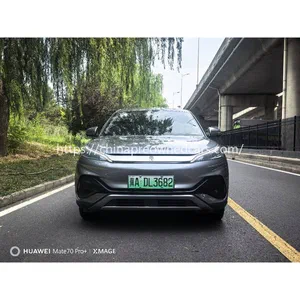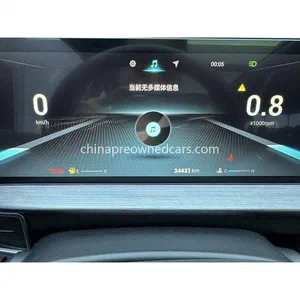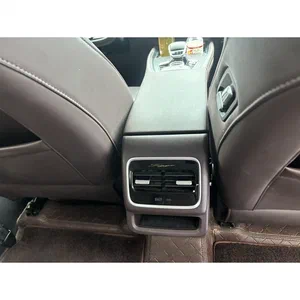

Electric and hybrid SUVs have different pre-shipment inspection needs due to their distinct powertrains and related systems. Understanding these differences is important to ensure compatibility with the destination market and to manage post-import servicing effectively.
Electric vehicles (EVs) like the BYD Atto 3 require specific checks related to their high-voltage battery systems. Battery state-of-health reports are critical, as they directly influence range and performance. Additionally, the charging standard of the vehicle must match the infrastructure available in the destination market. For example, most Chinese EVs use the GB/T charging standard, which may require adapters or retrofitting for regions where CCS or CHAdeMO is prevalent. Hybrid SUVs, such as the Chery Tiggo 8 Pro, combine internal combustion engines with batteries, requiring both traditional engine inspections and a review of the hybrid system’s components. Their reliance on fuel reduces concerns over charging infrastructure but necessitates a closer look at fuel efficiency and emissions compliance.

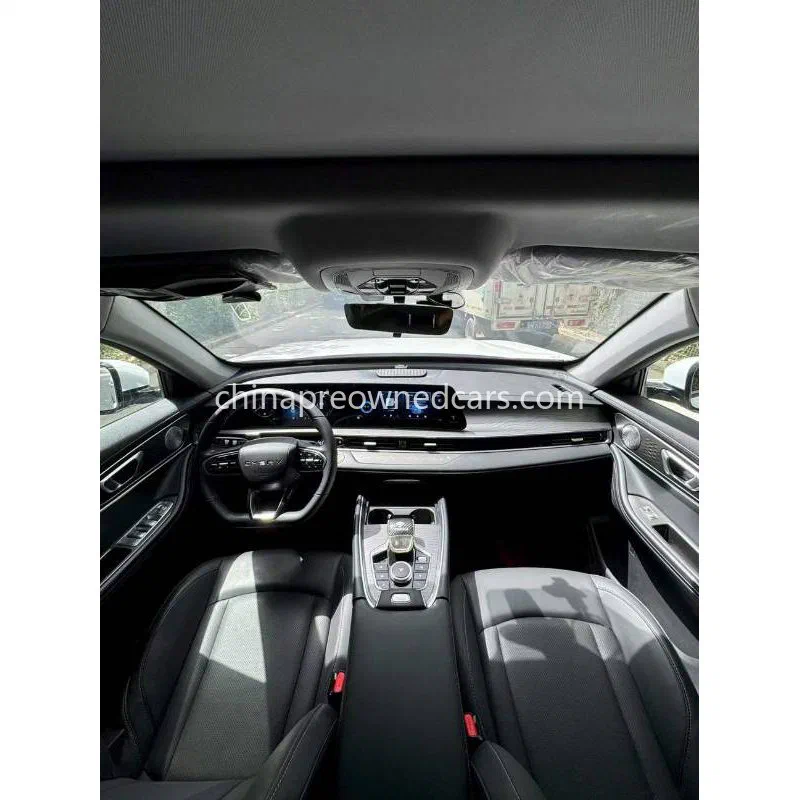
Emission standards are a key consideration, especially for hybrid models. Export markets like Kenya and Ghana may enforce specific regulations on vehicle emissions that align with Euro 4 or Euro 5 standards, depending on the country. Electric vehicles have an advantage here, as they produce no tailpipe emissions. However, hybrid models may offer greater flexibility in regions where charging facilities are limited. Buyers must confirm the current emission requirements of their target market to avoid compliance issues, as these rules can vary significantly. Both electric and hybrid SUVs require VIN verification and roadworthiness checks during pre-shipment inspection to meet destination regulations.
Another important factor is the availability of parts and service support. Hybrid SUVs generally have more established supply chains for spare parts in many African and Middle Eastern markets, as their internal combustion engines are similar to traditional vehicles already in circulation. On the other hand, EVs may require specialized components and technical expertise, which could be less accessible depending on the region. Models like the Haval H6 and Geely Coolray, which are gaining popularity, may have better after-sales support compared to less common vehicles. Importers should assess the local availability of qualified technicians and spare parts for the specific models they are considering.
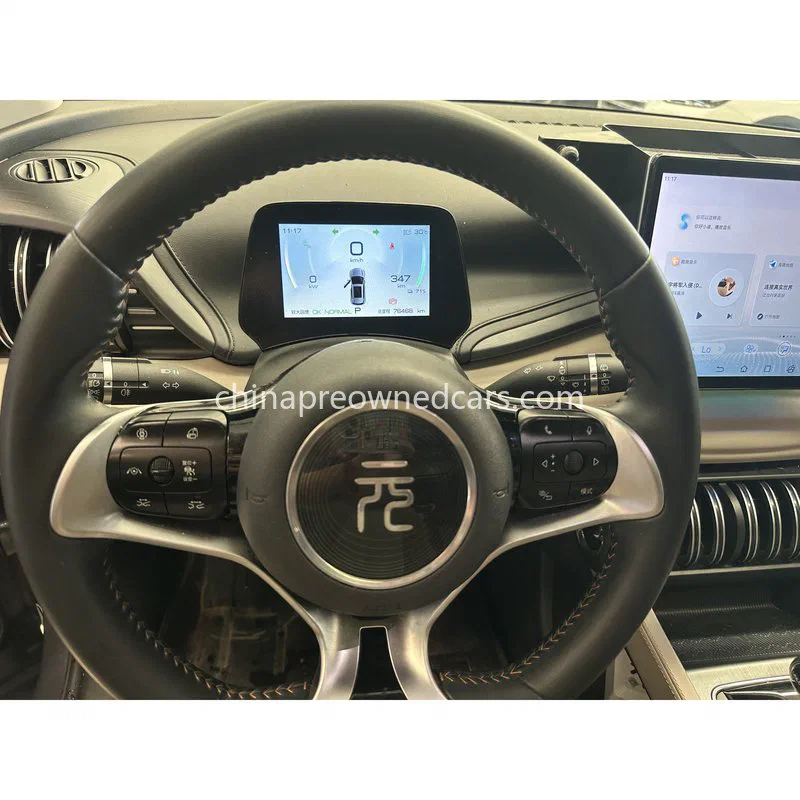
Finally, drive-side compatibility must align with the destination market’s regulations. Most vehicles sourced from China are left-hand drive (LHD), which is suitable for countries like Ghana and Nigeria. However, regions such as Kenya, where right-hand drive (RHD) vehicles are mandatory, will require either RHD-specific models or retrofitting, which could add to costs. Importers should also factor in shipping methods, such as RoRo for cost efficiency or container shipping for added protection, based on their shipment’s specific needs. Each method has implications for delivery timelines and handling.
FAQ
Q: What specific inspections are critical for electric vehicles before shipment?
A: Battery state-of-health checks and compatibility with the destination’s charging standard are essential for electric vehicles.
Q: How do hybrid SUVs differ in pre-shipment requirements from EVs?
A: Hybrid SUVs require both traditional engine inspections and reviews of the hybrid system, in addition to emission compliance checks.