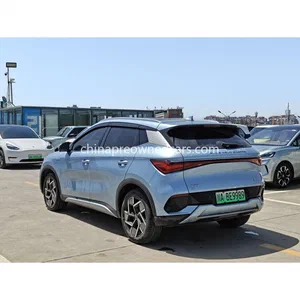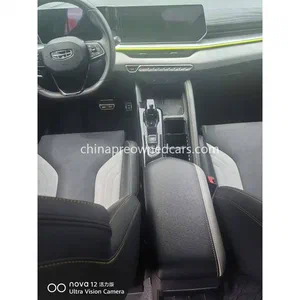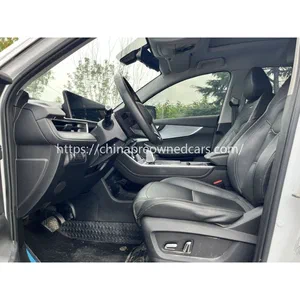
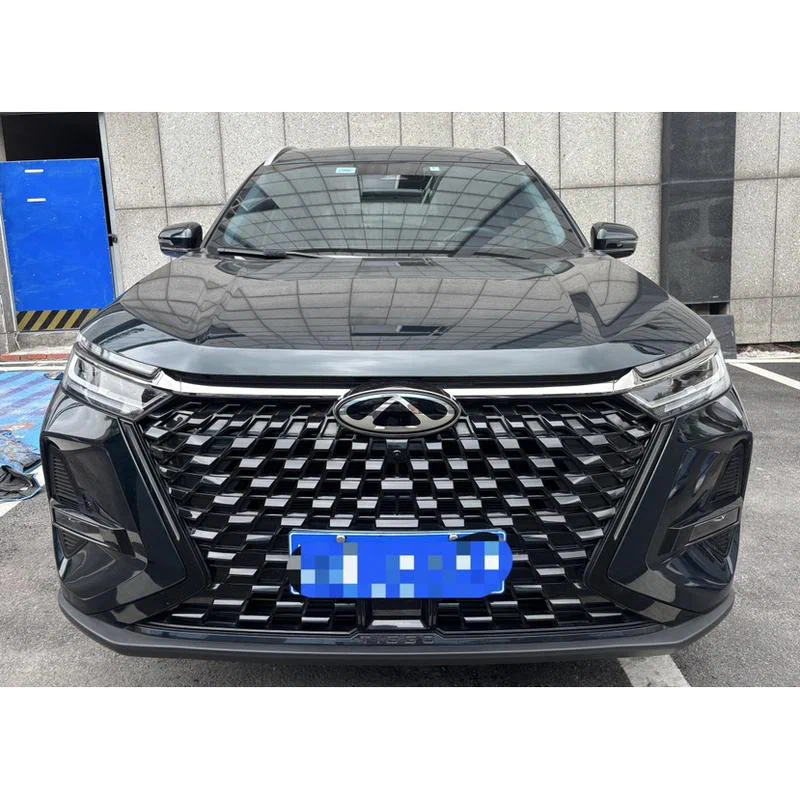
This article explains how Chinese pre-owned SUVs are evaluated for export to Kenya and Ghana, with focus on road conditions, import requirements, and buyer checks. It covers how models such as BYD Atto 3 and Chery Tiggo SUVs may fit these markets and what needs verification before shipment.
For buyers looking for cpo for cars from China, the main question is whether a used SUV matches local operating conditions and import rules. The answer depends on more than the vehicle model. Drive side, inspection records, battery condition for electric vehicles, paperwork, and destination requirements all affect whether a vehicle is suitable for export.
Vehicle selection for Kenya and Ghana conditions
Kenya and Ghana both require attention to practical vehicle use. Many roads include uneven surfaces, rural routes, heat exposure, and long-distance driving conditions. SUV models are often considered because their ground clearance, cabin space, and overall structure can suit mixed road environments, but each vehicle still requires an individual assessment.
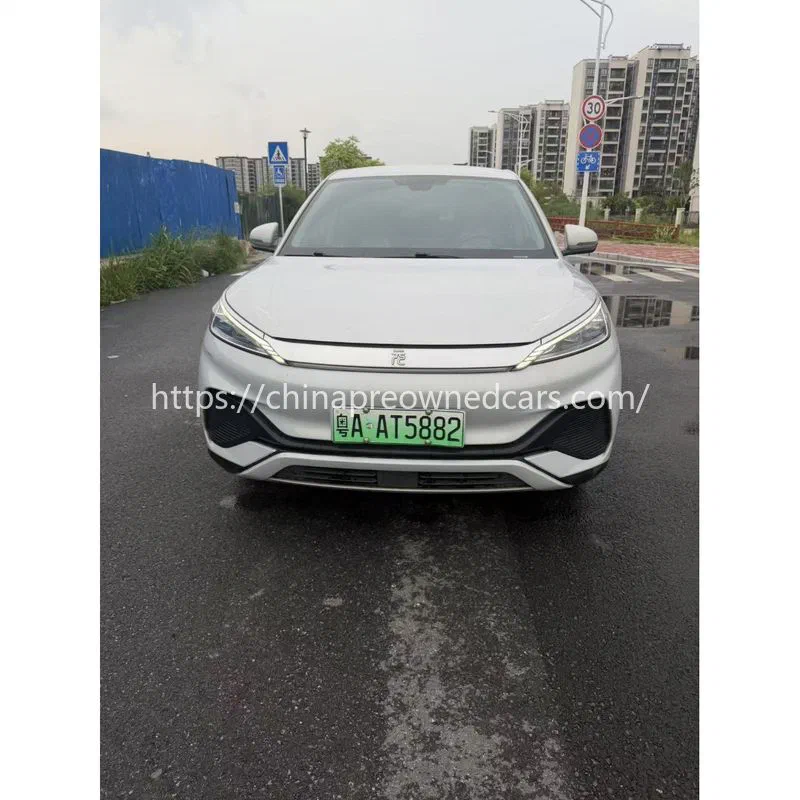
The available export range includes BYD Atto 3, Chery Tiggo 7 Plus, Chery Tiggo 8 Pro, Geely Coolray, and Haval H6. Buyers should compare each model’s power system, maintenance availability, interior capacity, and expected usage. A family SUV may have different advantages from a compact SUV used mainly for urban transport.
Drive side is a key point before purchase. Most Chinese domestic vehicles are left-hand drive, and many export markets in Africa have specific road-use requirements. Kenya uses left-hand traffic, so buyers must confirm compatibility with local rules before ordering. Ghana also has its own import requirements, and the final vehicle specification should be checked before shipment.
Electric and hybrid SUVs require additional review. The BYD Atto 3 is an electric SUV, so buyers should request battery information, including available battery health records and charging-related details. Local charging infrastructure varies between regions, making charging access an important part of the purchase decision.
Import requirements and export process

Kenya and Ghana set their own rules for vehicle age, emissions, roadworthiness, duties, and customs procedures. These requirements can change, so importers should confirm the current regulations with local authorities or customs professionals before shipment. A vehicle that meets export standards from China may still need to satisfy destination market rules.
Chinese used vehicle exports normally involve export licensing, customs declaration, and pre-shipment inspection. The exporter prepares documents such as vehicle information, commercial paperwork, and shipping documents required for clearance. Buyers should review the documentation process early to avoid delays caused by missing information.
Shipping methods depend on vehicle type, destination arrangements, and cost considerations. RoRo shipping is commonly used for vehicles that can be driven onto a vessel, while container shipping can provide another option for specific cargo arrangements. The choice should be discussed with the exporter based on the destination port and handling requirements.
Checks before purchasing a used SUV
Condition assessment is a central part of a used vehicle transaction. Buyers should request inspection information covering exterior condition, interior wear, mechanical systems, accident history checks where available, and maintenance records. Mileage should be verified through available records rather than accepted only from a listing description.
For electric vehicles, battery health needs separate attention because it affects range and long-term ownership costs. A buyer should ask for battery condition information, charging history details when available, and inspection results related to the high-voltage system. These checks are different from those normally performed on combustion engine vehicles.
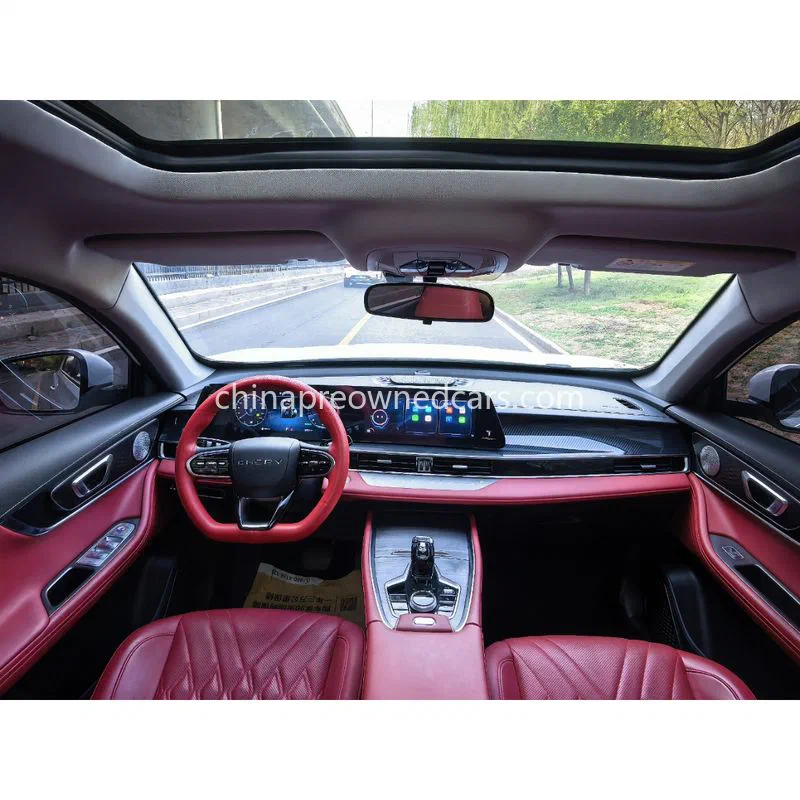
Fuel type and operating environment should also guide selection. Hybrid SUVs may suit areas where charging options are limited, while electric SUVs may be more practical where charging infrastructure is developing. Models such as Chery Tiggo 7 Plus, Chery Tiggo 8 Pro, Geely Coolray, and Haval H6 should be evaluated according to local service support and intended use.
Before payment, buyers should confirm the exporter’s process, including inspection arrangements, customs clearance support, shipping lead time expectations, and after-sales communication. Clear payment terms and written documentation help both sides understand responsibilities during the export process. A professional exporter should provide vehicle details and explain which items require buyer confirmation before shipment.
FAQ
Q: Are Chinese used SUVs suitable for Kenya and Ghana imports? A: Chinese SUVs can be suitable when the specification, condition, and documentation match destination requirements. Buyers should confirm drive side, import rules, and vehicle inspection details before purchase.
Q: What should be checked before importing a used electric SUV? A: Battery health records, charging compatibility, vehicle condition, and shipping documentation should be reviewed before purchase. Local charging conditions and import regulations should also be confirmed.