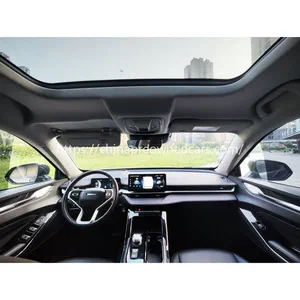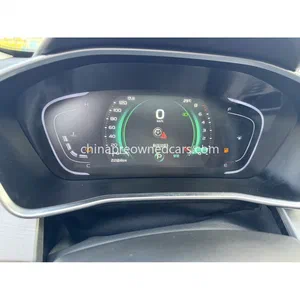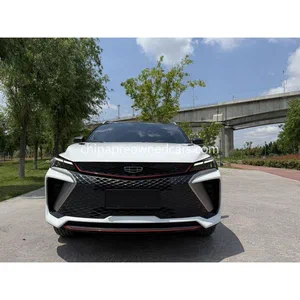

The BYD Atto 3 stands out in the competitive field of electric SUVs, particularly when compared to other models like the Chery Tiggo 7 Plus and Haval H6. Buyers need to evaluate key factors such as powertrain specifications, range, charging compatibility, and service availability to make informed decisions. Understanding these aspects becomes crucial for exporters targeting markets like Ghana, Nigeria, and Kenya.
Powertrain and Performance
The BYD Atto 3 features a powerful electric motor capable of delivering around 150 kW, making it suitable for urban environments and longer journeys. In contrast, the Haval H6 offers a hybrid powertrain that combines a gasoline engine with an electric motor, providing more flexibility for buyers concerned about charging infrastructure. The Chery Tiggo 7 Plus, while not fully electric, offers a range of efficient gasoline options that may appeal to markets with limited EV infrastructure.
Range and Fuel Consumption
Range can significantly influence buyer choices. The BYD Atto 3 can achieve approximately 400 kilometers on a full charge, which is competitive among electric SUVs. The Chery Tiggo 7 Plus and Haval H6, with their hybrid systems, often provide better overall fuel efficiency, especially in regions where charging stations are sparse. Buyers should consider local driving conditions to determine which model’s range aligns best with their needs.
Emission Standards and Compatibility
Emission standards vary across different markets, impacting the suitability of vehicles for export. The BYD Atto 3 generally meets the lower emission requirements found in emerging markets. In contrast, hybrid models like the Haval H6 may offer an advantage in markets that impose stricter regulations on emissions, making them a better fit for certain regions. It is imperative to verify the current standards for each destination to ensure compliance.
Parts and Service Availability
Parts availability and service infrastructure play a crucial role in the long-term ownership experience. The BYD Atto 3 benefits from BYD’s growing global presence, which may enhance service options in various markets. However, buyers should also consider the established networks for Chery and Haval, which might provide more robust service options in certain areas. Evaluating the local dealer landscape can guide buyers in selecting a model that ensures ease of maintenance.
Charging Standards and Infrastructure
Charging infrastructure is a key consideration for electric vehicles. The BYD Atto 3 utilizes the Type 2 charging standard, which is widely adopted in many countries, including those in Africa. Buyers should assess the existing charging networks in their target markets, as this can influence the practicality of owning an electric vehicle. The Haval H6, being a hybrid, can use conventional fuel stations, which may provide more immediate convenience in less developed regions.

Left-Hand Drive Considerations
Most vehicles in the current inventory, including the BYD Atto 3, are left-hand drive (LHD). This is suitable for markets like Nigeria and Kenya, where LHD vehicles are standard. Buyers in regions with right-hand drive (RHD) regulations must ensure proper sourcing of vehicles or consider models that can be adapted accordingly. Understanding local driving laws can prevent complications during the import process.
Practical Buyer Guidance
Before making a purchase, buyers should conduct thorough checks on vehicle condition, history, and compliance with local regulations. It’s advisable to request pre-shipment inspections and verify VINs to ensure the authenticity of the vehicle. Payment terms can vary by exporter, and buyers should clarify these details before committing. Shipping lead times typically range from 15 to 25 days, depending on the chosen method, be it RoRo or container shipping. After-sales support is another critical consideration; buyers should seek exporters who offer ongoing assistance.
FAQ
Q: What are the powertrain options for the BYD Atto 3?
A: The BYD Atto 3 features a fully electric powertrain with a motor output of around 150 kW, designed for efficiency and performance.
Q: How far can the BYD Atto 3 travel on a full charge?
A: The BYD Atto 3 has a range of approximately 400 kilometers, making it suitable for both urban and suburban driving.
Q: What should I check before purchasing an electric SUV for export?
A: Buyers should verify the vehicle’s condition, history, compliance with local regulations, and ensure thorough pre-shipment inspections are conducted.