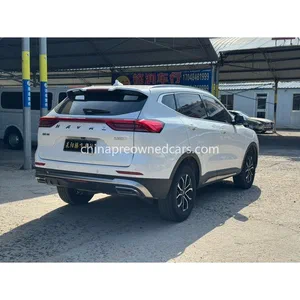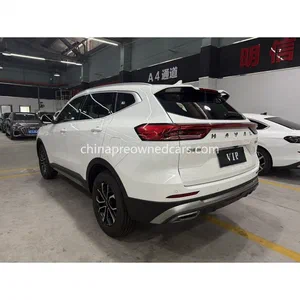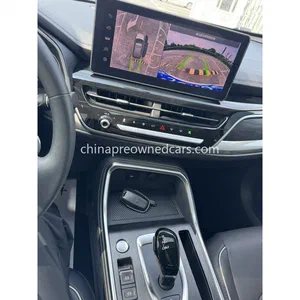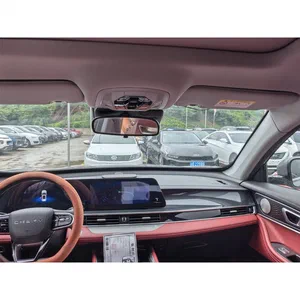
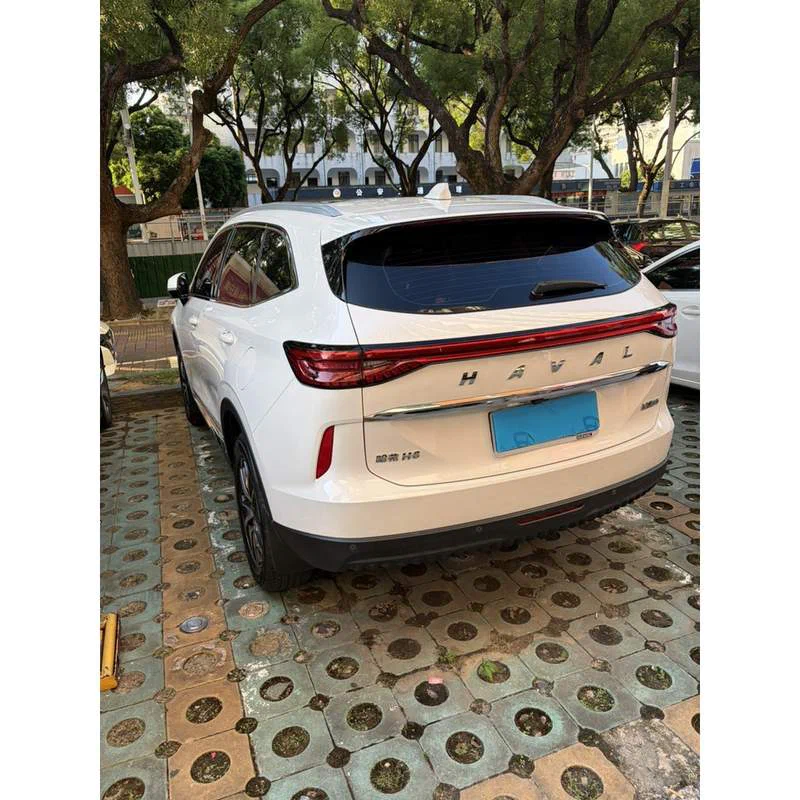
When choosing between the BYD Atto 3 and the Haval H6 for export, buyers must consider several key factors such as powertrain, emission standards, and market-specific requirements. Both models are well-suited for export to Africa and other target markets, but their differences in technology, fuel efficiency, and after-sales considerations may influence importers’ decisions.
The BYD Atto 3, an all-electric SUV, is powered by BYD’s advanced Blade Battery, which offers reliable energy density and enhanced safety. Its electric drivetrain delivers zero emissions, making it a strong choice for markets with strict environmental regulations or incentives for new energy vehicles. However, buyers must ensure that charging infrastructure in the destination market supports the Atto 3’s CCS2 charging standard, commonly used in EVs exported from China. In contrast, the Haval H6 is a hybrid SUV with a petrol-electric powertrain, offering a balance between fuel efficiency and compatibility with markets where EV charging stations are less accessible. The hybrid system reduces fuel consumption while maintaining the convenience of traditional refueling. Both vehicles are left-hand drive, which aligns with the requirements of target markets like Ghana, Nigeria, and Uganda. Buyers exporting to right-hand-drive markets must confirm the feasibility of converting these models.

Another important consideration is the compatibility of emission standards. The Atto 3’s electric powertrain ensures compliance with even the most stringent regulations, while the Haval H6’s hybrid engine typically meets Euro 5 or Euro 6 standards, depending on the specific model. Importers should verify the current emission standards enforced in their destination market, as these can vary widely and may affect customs clearance. For example, some African countries accept older emission standards, while others require newer compliance. Parts availability is another factor; the Haval H6 benefits from broader support networks for its conventional engine components, while the Atto 3’s battery system may require specialized service facilities. Importers should assess the local availability of spare parts and trained technicians for each model to ensure smooth maintenance after delivery.
Finally, the overall condition of the vehicle must be closely evaluated during the china used car export process. Both models are sourced from China’s domestic market, and pre-shipment inspection reports provide critical information about a vehicle’s mileage, history, and condition grading. For EV buyers, the state of health of the battery is paramount, as it directly impacts range and long-term value. Shipping logistics also vary by vehicle type and market destination. Both the Atto 3 and Haval H6 are commonly shipped via RoRo or container, depending on the importer’s preference and port facilities. Buyers should plan for typical shipping lead times and ensure all documentation, including VIN verification and required customs forms, is complete to avoid delays.
FAQ
Q: How can I decide between the BYD Atto 3 and the Haval H6 for export?
A: Consider the destination market’s infrastructure, emission standards, and parts availability. The Atto 3 suits EV-friendly regions, while the H6 offers hybrid flexibility.
Q: What should I verify before purchasing a used BYD Atto 3 for export?
A: Ensure the battery’s health, compatibility with local charging infrastructure, and compliance with the destination market’s import regulations.