When importing SUVs from China to African markets such as Ghana, Nigeria, Kenya, Uganda, or Tanzania, one of the key logistical decisions buyers face is choosing between RoRo shipping and containerized shipping. Both methods have their advantages and limitations, and the right choice depends on market demands, the specific vehicle being imported, and the buyer’s priorities regarding cost, security, and speed.
Understanding Market Demands in Africa
African markets often have specific requirements for imported vehicles, including restrictions on the vehicle’s age, compliance with emission standards, and compatibility with the drive side of the road. Most countries in this region drive on the left, while the majority of Chinese domestic vehicles, including models like the BYD Atto 3 and Chery Tiggo 8 Pro, are left-hand drive (LHD). Buyers importing for personal use or resale must ensure that their destination allows LHD vehicles or that appropriate conversions are possible. Import duties, which vary significantly by country, also play a crucial role in the total landed cost. It’s essential to confirm the current regulations in the target market before selecting a shipping method.
RoRo Shipping: Cost-Effective but Exposed
Roll-on/roll-off (RoRo) shipping is often the preferred method for transporting used SUVs to Africa due to its cost-efficiency. Vehicles are driven directly onto a specialized ship, secured, and transported to the destination port. This method is generally quicker and less expensive than containerized shipping, making it an attractive option for bulk orders or when minimizing shipping costs is a priority.
However, RoRo shipping exposes vehicles to environmental factors like saltwater, wind, and rain, which may lead to minor cosmetic wear during transit. Additionally, some buyers may have concerns about the risk of theft or damage during loading and unloading. For markets like Nigeria and Ghana, where port facilities are well-equipped for RoRo operations, this method remains a practical and widely used choice.
Container Shipping: Security and Flexibility
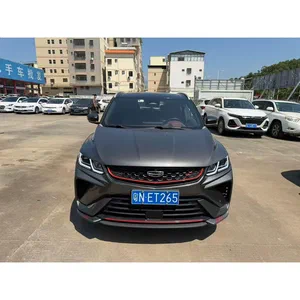
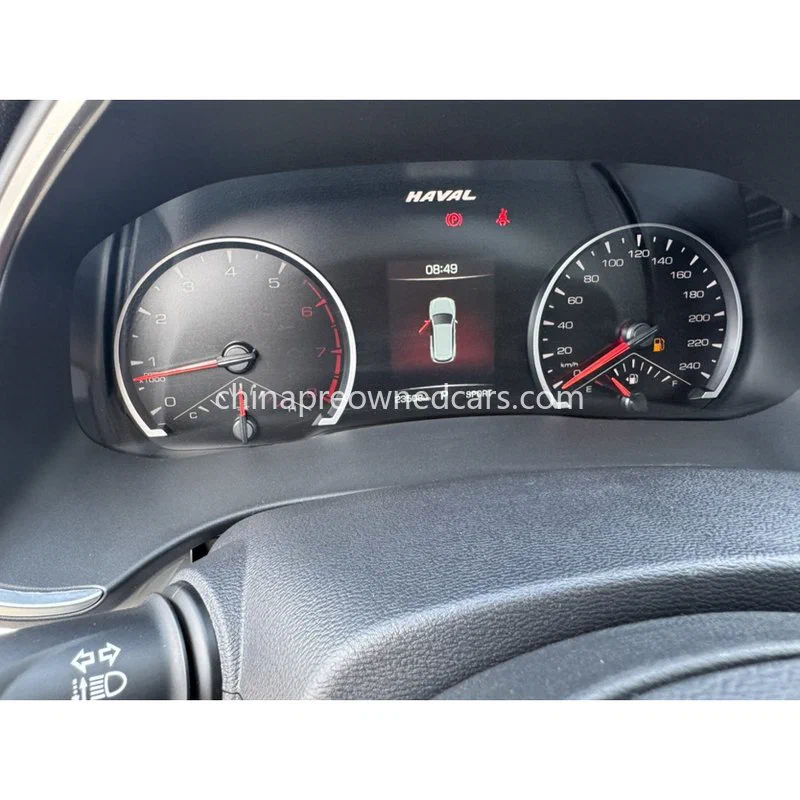
Container shipping offers enhanced security and protection from environmental exposure by enclosing the vehicle in a sealed container. This method is especially suitable for high-value SUVs such as the Haval H6 or Geely Coolray, where maintaining pristine condition is a priority. Containers also allow for additional items, such as spare parts or tools, to be shipped alongside the vehicle.

However, containerized shipping is generally more expensive than RoRo and may involve longer lead times due to the additional steps required for loading, unloading, and customs clearance. In cases where the destination port has limited infrastructure for handling RoRo vessels, such as some East African ports, container shipping might be the only viable option.
Road and Climate Conditions
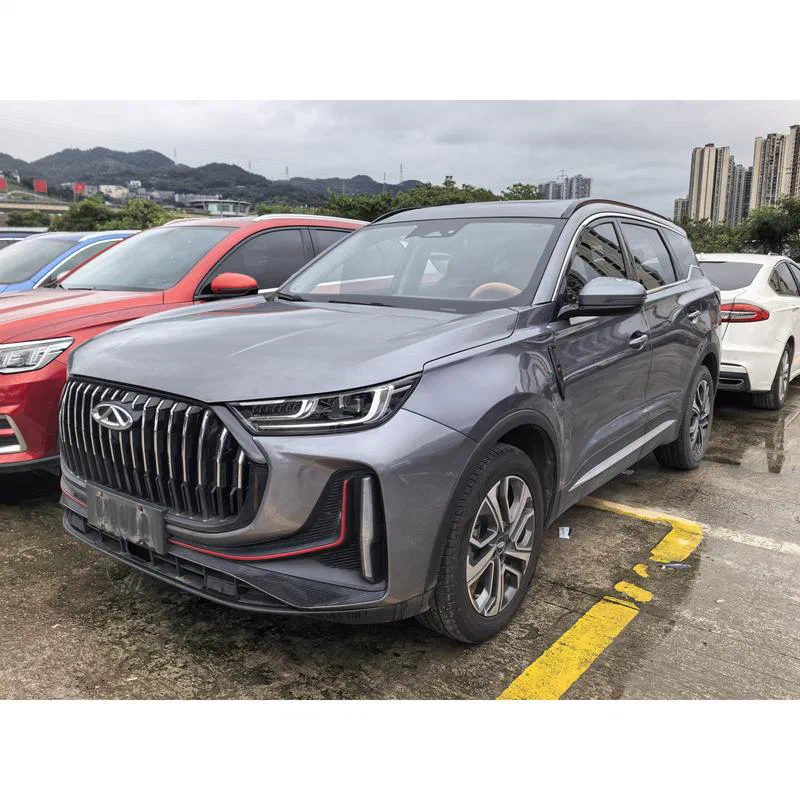
The durability and specifications of the imported SUV must align with the road and climate conditions in the target market. Models like the Chery Tiggo 7 Plus and BYD Atto 3, with their robust suspension systems and efficient hybrid or electric powertrains, are well-suited to African roads, which often include unpaved or uneven surfaces. Buyers should ensure that the selected shipping method does not compromise the vehicle’s condition, especially for markets with extreme weather conditions, such as Kenya’s hot climate or Tanzania’s coastal humidity.
Fuel and Charging Infrastructure
For new energy vehicles like the BYD Atto 3, the availability of adequate charging infrastructure in the destination country is a critical consideration. While major cities in countries like Kenya and Ghana are gradually developing EV charging networks, rural areas may still lack access. In such cases, hybrid models, such as the Chery Tiggo 8 Pro or Haval H6, may offer a more practical solution. Buyers should carefully evaluate the infrastructure in their target market and consider the suitability of the vehicle’s powertrain accordingly.
Documentation, Inspection, and Customs Clearance
Regardless of the shipping method, all vehicles must undergo pre-shipment inspection and meet the import documentation requirements of the destination country. This includes verifying the Vehicle Identification Number (VIN), emission compliance, and roadworthiness. Exporters like chinapreownedcars.com handle these processes to ensure a smooth transaction, but buyers are advised to confirm that all paperwork, including the bill of lading and customs declarations, meets the specific requirements of their target market.
FAQ
Q: What is the main difference between RoRo and container shipping for SUVs?
A: RoRo shipping is generally cheaper and faster, while container shipping offers better protection and security for vehicles during transit.
Q: Are Chinese SUVs suitable for African roads?
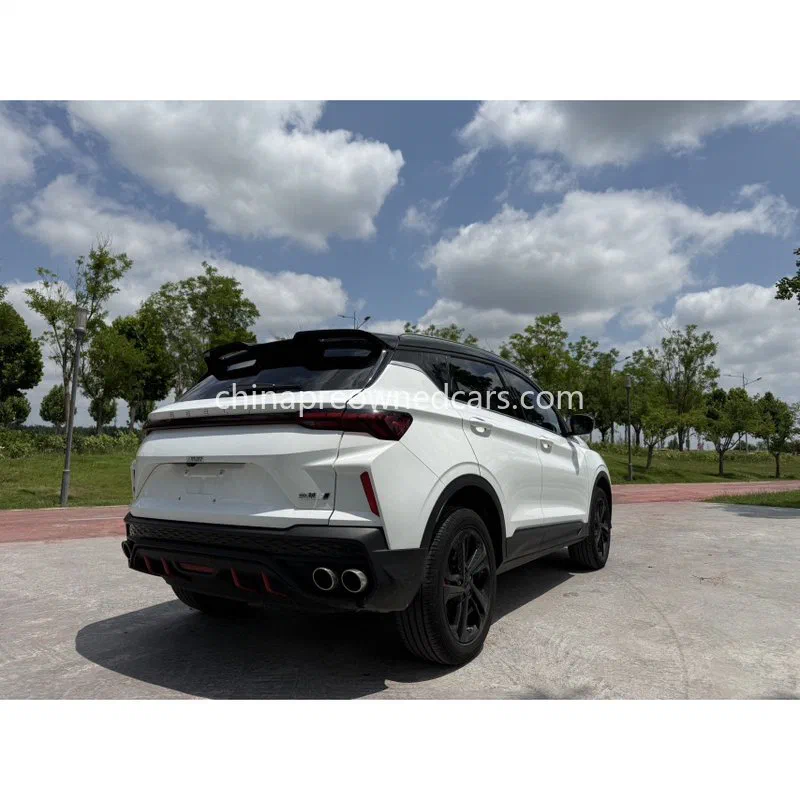
A: Many Chinese SUVs, such as the Chery Tiggo 7 Plus and Haval H6, are designed with robust features that make them suitable for rough and unpaved roads in Africa.
Q: How can I ensure my imported SUV meets local regulations?
A: Verify the vehicle’s compliance with age, emission, and drive-side requirements for your destination. Consult local authorities or import specialists for the most up-to-date rules.