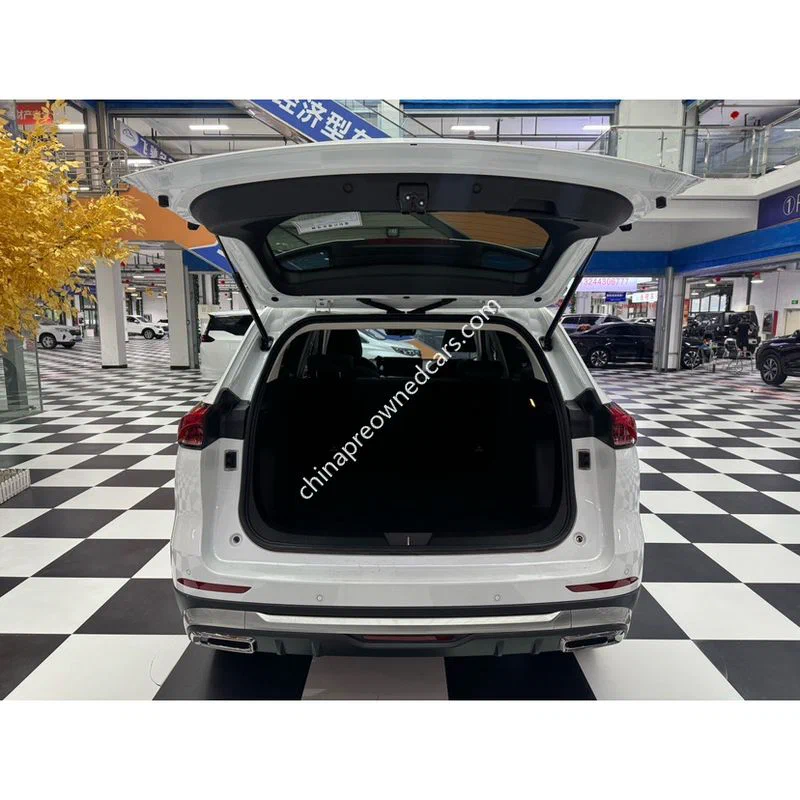
Choosing a reliable used car website for East African imports starts with checking whether the listed vehicles meet the destination country’s import requirements. Buyers in Ghana, Nigeria, Kenya, Uganda, and Tanzania should assess drive configuration, vehicle age, emissions compliance, road suitability, and the exporter’s ability to provide verifiable documentation before making a purchase.
A website that displays attractive vehicle photographs is not necessarily a suitable source for an international transaction. The important distinction is whether the exporter can provide vehicle-specific information, arrange pre-shipment inspection, handle Chinese export procedures, and explain the requirements at the destination port. Buyers searching for a buy used car best website should look beyond the number of listings. The quality of the inspection records and the accuracy of the export information matter more than the size of an online catalogue.
Match the vehicle to East African import requirements
Drive configuration should be checked first. Ghana and Nigeria use right-hand traffic, so left-hand-drive vehicles are generally compatible with their road systems. Kenya, Uganda, and Tanzania also drive on the left side of the road, making right-hand-drive vehicles the normal configuration. Most Chinese domestic-market vehicles are left-hand drive. This creates an important sourcing limitation for buyers in these three countries. A Chinese exporter should confirm the steering configuration before discussing payment or shipment. Buyers should also establish whether a particular vehicle can legally be registered in the destination country rather than assuming that road compatibility automatically means import eligibility.
Vehicle age and emissions rules require separate checks. Import authorities may apply restrictions based on manufacturing year, first registration, engine type, emissions classification, or vehicle category. These rules can change, and the treatment of electric and hybrid vehicles may differ from that of conventional petrol vehicles. Buyers in Ghana and Nigeria should confirm the current requirements with their local clearing agents and relevant authorities. The same applies to Kenya, Uganda, and Tanzania, where import eligibility and inspection procedures must be checked against current regulations. A vehicle that clears export procedures in China is not automatically eligible for registration overseas.
Road and climate conditions also influence vehicle selection. Parts of East Africa have uneven rural roads, potholes, steep gradients, and seasonal flooding. Ground clearance, suspension condition, tyre wear, and underbody damage deserve particular attention when assessing an SUV. Coastal humidity and high temperatures can also affect electrical connections, cooling systems, paintwork, and battery performance. The Haval H6 and Chery Tiggo 8 Pro offer SUV body styles that buyers may consider for mixed urban and rural use, but their actual suitability depends on the individual vehicle’s specification and condition. A low-mileage vehicle with damaged suspension is not a better purchase simply because its odometer reading is attractive.
Choosing between Chinese SUVs, hybrids, and electric vehicles
The available models serve different purchasing priorities. The BYD Atto 3 is a fully electric SUV, making charging access and battery condition central to the buying decision. Buyers in Kenya, Ghana, Nigeria, Uganda, and Tanzania should investigate the availability of compatible charging facilities along their intended routes, not just in major cities. Home charging arrangements may be practical for some owners, while commercial charging access can be less predictable outside urban centres. Battery state of health should be assessed through vehicle diagnostics, with attention to reported capacity, charging behaviour, battery warnings, and any available service history. Battery transport and shipping arrangements also need to be confirmed separately from those for petrol vehicles.
For buyers who prefer conventional refuelling, the Chery Tiggo 7 Plus, Chery Tiggo 8 Pro, Geely Coolray, and Haval H6 provide alternatives within the listed inventory. Their suitability depends on the specific powertrain, transmission, fuel requirements, and local parts availability. Hybrid versions, where applicable to the sourced specification, may reduce dependence on charging infrastructure, but buyers should verify the exact powertrain rather than relying on a model name alone. Fuel quality and availability should also be considered. An engine designed for a particular fuel grade or emissions specification may require closer assessment before being used in a market with different fuel supply conditions. Buyers should request the VIN, engine or motor details, production year, and specification sheet before confirming an order.
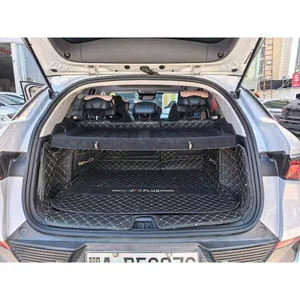
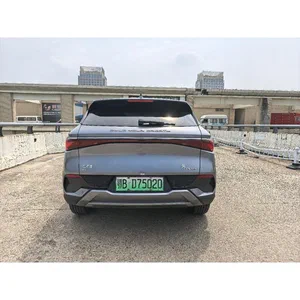
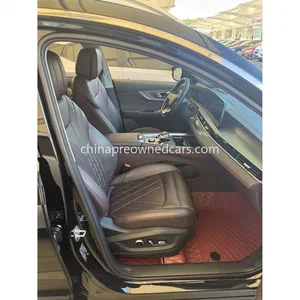
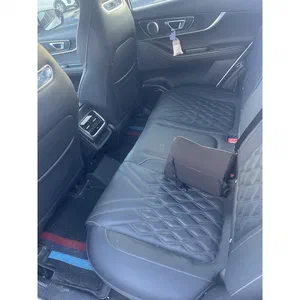
Condition assessment should go beyond exterior appearance. A useful inspection covers the engine or electric drive system, transmission, brakes, suspension, steering, tyres, air conditioning, electronic functions, and body structure. Previous accident repairs, corrosion, flood exposure, warning lights, and signs of poor maintenance should be documented where identifiable. For electric vehicles, the battery report should be considered alongside the general inspection. Buyers should request dated photographs, a cold-start video where applicable, dashboard images, odometer evidence, and an inspection report linked to the vehicle’s VIN. No report removes every uncertainty, but consistent records make it easier to compare vehicles and identify unanswered questions before payment.
Export procedures, shipping, and buyer checks
The export process begins with vehicle selection and verification, followed by commercial documentation and preparation for shipment. Chinese used vehicle exports require the appropriate export licensing, customs declaration, and pre-shipment inspection. The exporter should explain which documents it will prepare and which documents the buyer or destination clearing agent must provide. Typical paperwork includes the commercial invoice, sales contract, vehicle identification details, export customs documents, and shipping documents. The exact requirements depend on the transaction and destination. Buyers should also confirm how the vehicle’s manufacturing year, ownership records, and registration documents will be presented for local customs and registration procedures.

Shipping usually involves either roll-on/roll-off (RoRo) or container transport. RoRo is generally suitable for vehicles that can be driven onto and off the vessel under the carrier’s operating requirements. Container shipping provides enclosed transport and may suit buyers who prefer additional protection or need to consolidate cargo, although loading, securing, and container handling require coordination. The choice affects freight costs, handling arrangements, and available sailing schedules. Transit time is not the same as total delivery time: export preparation, customs clearance, vessel scheduling, port handling, and destination clearance all add time. Buyers should request a shipment estimate based on the actual departure and destination ports rather than treating a general transit range as a guaranteed arrival date.
Before sending payment, check that the website identifies the exporting business and provides a clear process for vehicle verification, inspection, invoicing, and shipping updates. The sales contract should identify the exact vehicle by VIN and state the agreed specification, condition description, payment stages, shipping responsibility, and procedures for resolving discrepancies. Payment should go to a verified business account matching the contracting entity. It is also sensible to have an independent destination-country clearing agent review the proposed vehicle documents before shipment. For Ghana and Nigeria, this includes checking current import eligibility and the expected customs process. Buyers in Kenya, Uganda, and Tanzania should give particular attention to steering configuration and local registration requirements. After-sales support should be discussed in practical terms, including access to diagnostic information, parts identification, and assistance with export-document questions. These checks provide a more useful basis for choosing an exporter than website appearance or promotional claims.
FAQ
Q: Is a Chinese used car suitable for import into Kenya or Tanzania?
A: It depends on the vehicle’s steering configuration and current import rules. Most Chinese domestic-market vehicles are left-hand drive, while Kenya and Tanzania normally use right-hand-drive vehicles, so buyers must confirm eligibility before purchasing.
Q: What should buyers check before importing a used BYD Atto 3?
A: Request a battery state-of-health assessment, VIN verification, charging-system checks, and available maintenance records. Also confirm charging access in the intended operating area and the battery-related shipping arrangements.
Q: Is RoRo or container shipping better for used SUV imports?
A: RoRo is generally suitable for standard vehicle shipments, while container shipping offers enclosed transport and may suit specific handling or cargo requirements. The best option depends on the vehicle, destination port, freight quotation, and buyer’s shipping priorities.