Chinese electric SUVs purchased through online auctions can suit buyers in Ghana, Nigeria, Kenya, Uganda and Tanzania, provided the vehicle meets the destination country’s import rules and road requirements. The key is to assess the vehicle’s condition, drive configuration, battery health and import eligibility before committing to a purchase.
What African Importers Should Check Before Buying
The first consideration is steering position. Most vehicles in China’s domestic used-car market are left-hand drive (LHD). This suits Ghana and Nigeria, where left-hand-drive vehicles are generally used, but creates a significant restriction for Kenya, Uganda and Tanzania, which operate predominantly right-hand-drive (RHD) vehicle systems. Importers in these three markets must confirm current registration and import eligibility before selecting a Chinese vehicle. An LHD vehicle should not be assumed eligible simply because it can be shipped there. Buyers should establish the permitted steering configuration with the relevant authorities or a licensed local clearing agent before paying a deposit.
Vehicle age and emissions rules also affect selection. Ghana, Nigeria, Kenya, Uganda and Tanzania each apply their own import controls, which may cover vehicle age, emissions, roadworthiness and documentation. These requirements can change, and the applicable rules may depend on vehicle category and powertrain. A vehicle that qualifies in one country may be refused in another. Buyers should confirm the current rules using the vehicle’s manufacturing year, registration history, VIN and technical specifications. Import duties, taxes and clearance charges should also be calculated before purchase. An auction price alone does not represent the final landed cost.
Matching Chinese SUVs to Local Conditions
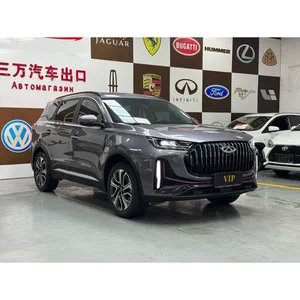
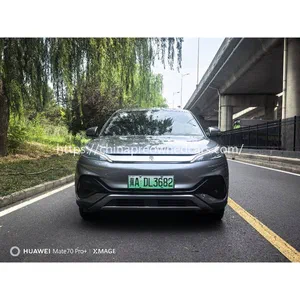
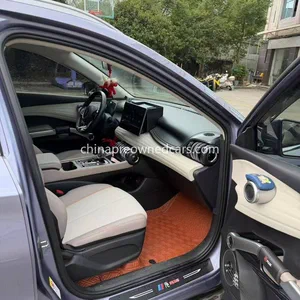
The models available for export include the BYD Atto 3, Chery Tiggo 7 Plus, Chery Tiggo 8 Pro, Geely Coolray and Haval H6. Their suitability depends on the destination and intended use. The BYD Atto 3 is a fully electric SUV, so battery condition and charging access are central purchasing considerations. Buyers in Ghana, Nigeria and other markets should check charging availability along regular routes, access to compatible charging equipment and the reliability of local electricity supply. Battery state of health (SOH), diagnostic records, charging performance and any previous battery repairs deserve particular attention. Electric vehicles also require transport arrangements that comply with applicable battery shipping requirements.
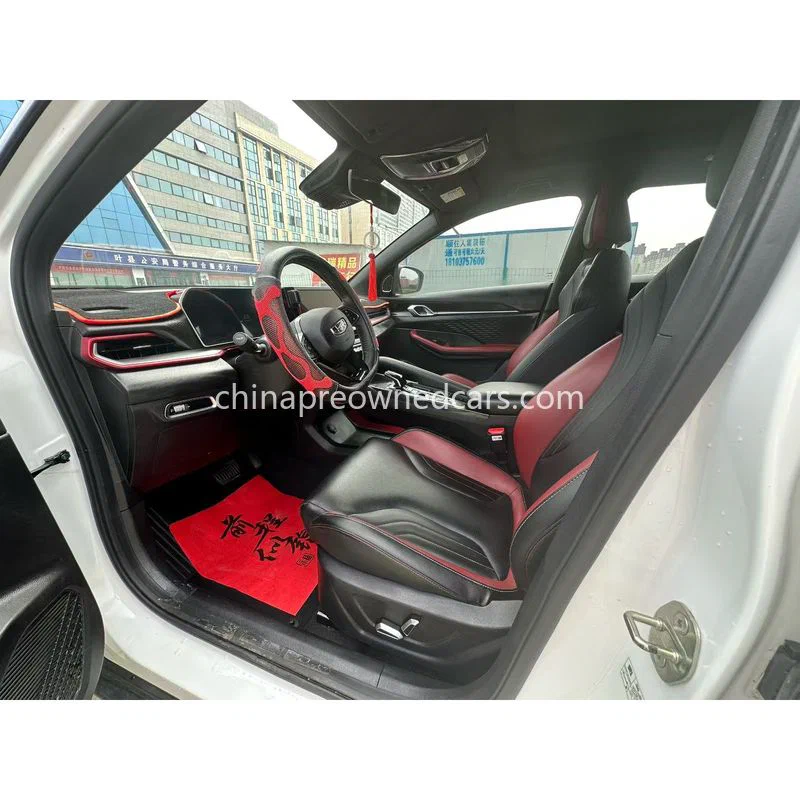
The Chery Tiggo 7 Plus, Chery Tiggo 8 Pro, Geely Coolray and Haval H6 offer combustion-engine alternatives. Buyers should verify the exact engine and transmission configuration rather than assume that every version has identical specifications. In areas with limited charging infrastructure, a petrol-powered SUV may be easier to operate. Road conditions matter too. Poorly maintained rural roads, potholes, heavy rain and high temperatures can increase demands on suspension components, tyres, cooling systems and air conditioning. For vehicles intended for regular travel outside major cities, inspection should cover underbody damage, suspension wear, brake condition, tyre age and evidence of water ingress.
Auction Checks, Export Documents and Shipping
Searching for cars for sale online auction can provide access to a wider selection, but auction descriptions are not a substitute for independent inspection. Buyers should request clear photographs, VIN details, mileage records where available, service history and an assessment of previous accident damage. Condition grading should identify visible body damage, mechanical faults and interior wear. For the BYD Atto 3, a battery diagnostic report is particularly important. Mileage should be checked against available records and electronic data where possible. No grade or auction description should be treated as a guarantee of the vehicle’s condition.
Before export from China, the transaction requires the appropriate export licence, customs declaration and pre-shipment inspection. Documentation should be checked against the vehicle’s VIN and include the relevant commercial invoice, sales documentation, export paperwork and shipping documents. Buyers should agree in writing on payment stages, inspection arrangements, responsibility for export charges and the documents to be provided. Vehicles can be shipped by roll-on/roll-off (RoRo) service or loaded into containers. RoRo is generally suitable for operational vehicles, while container shipping can offer additional protection and may suit particular cargo arrangements. Shipping schedules and transit times depend on the departure port, destination port, carrier and service availability. Before dispatch, the importer should also confirm local customs procedures, taxes, clearance requirements and registration documents. Any after-sales support arrangement should specify what assistance is available once the vehicle reaches its destination.

FAQ
Q: Can buyers in Kenya, Uganda or Tanzania import Chinese left-hand-drive SUVs?
A: These markets predominantly use right-hand-drive vehicles, so LHD imports face significant registration restrictions. Buyers should confirm current eligibility with local authorities before purchasing.
Q: What should buyers check when purchasing a used BYD Atto 3 for export?
A: Request a battery state-of-health assessment, diagnostic records, charging-system checks and available service history. Also confirm battery transport requirements and charging compatibility in the destination market.