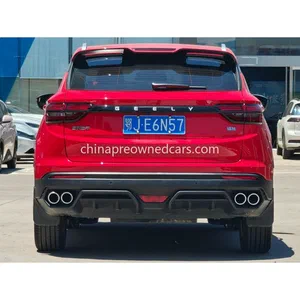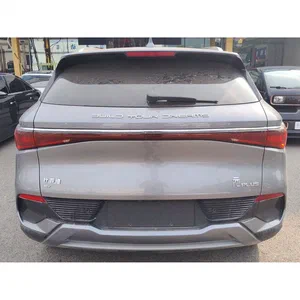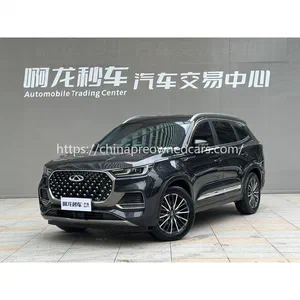
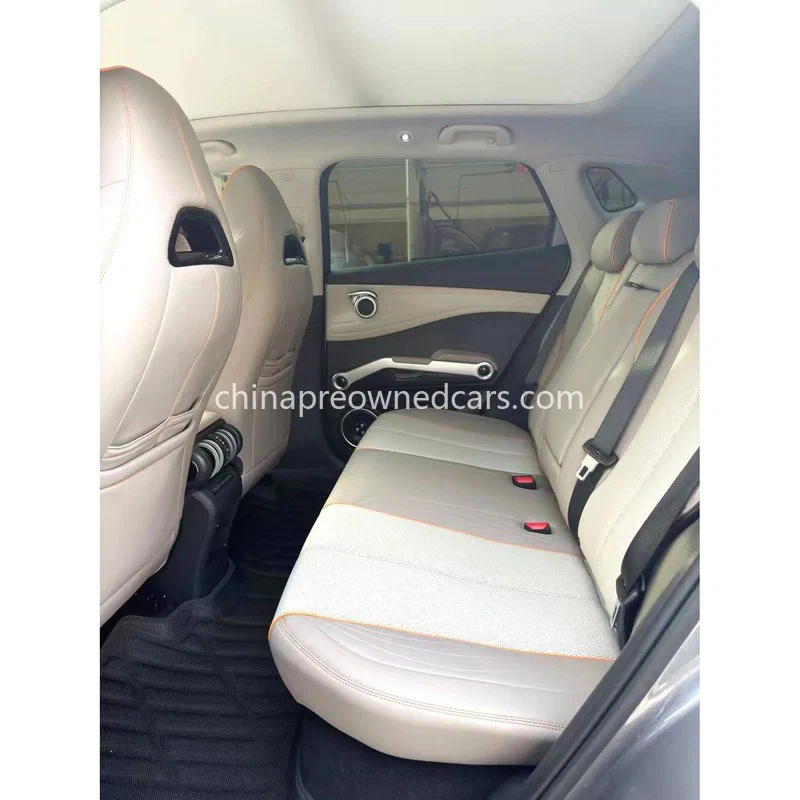
Choosing between the Chery Tiggo 7 Plus and Haval H6 for export depends mainly on powertrain configuration, fuel consumption, maintenance access and the import rules of the destination country. Both are petrol SUV options in the Chinese used vehicle market, but their equipment, engine specifications and operating costs vary by model year and trim. For buyers in Ghana, Nigeria, Kenya, Uganda and Tanzania, those differences matter more than the badge.
1. Engine, fuel consumption and operating costs
The Chery Tiggo 7 Plus and Haval H6 are generally available with turbocharged petrol engines, although specifications differ across production years and configurations. The Tiggo 7 Plus is positioned as a mid-size family SUV, while the Haval H6 has an established presence in the compact-to-mid-size SUV segment. Neither should be evaluated using a single fuel consumption figure without checking its exact engine and transmission.
The Tiggo 7 Plus may suit buyers who want a well-equipped family vehicle with a relatively straightforward petrol powertrain. The Haval H6 offers a similar practical role, with different engine and transmission combinations depending on the version. Actual consumption depends on traffic, road conditions, driving habits and vehicle condition. In urban areas with frequent stops, both vehicles can use considerably more fuel than their published combined-cycle figures suggest.
For import buyers comparing the best second hand cars for 5k, it is important to separate the vehicle purchase budget from the total landed cost. Shipping, customs charges, inspection and local registration can materially change the final expenditure. These two SUVs should not automatically be treated as vehicles within a fixed low-budget category; their suitability depends on the specific unit and its quoted export cost.
2. Emissions, drivetrain and destination compatibility
Engine compliance needs checking before either SUV is purchased. Ghana, Nigeria, Kenya, Uganda and Tanzania each have their own import requirements, including rules that may cover vehicle age, emissions, roadworthiness and documentation. Requirements can change, and a vehicle accepted in one market may not qualify in another. Buyers should confirm the current rules with the relevant customs authority or a licensed local clearing agent before committing to a shipment.
The Tiggo 7 Plus and Haval H6 are not interchangeable with electric or hybrid SUVs. Both petrol versions require conventional fuel infrastructure and do not depend on charging access. This can simplify daily operation in areas where public charging networks remain limited. Buyers seeking lower fuel consumption may also consider hybrid configurations from Chinese manufacturers, but the exact powertrain must be verified against the vehicle identification number and factory specification.
Drive side is another important restriction. Most vehicles sourced from China’s domestic market are left-hand drive (LHD). Ghana, Nigeria, Kenya, Uganda and Tanzania operate right-hand traffic systems, but their vehicle import and registration rules must still be checked independently. Buyers should not assume that traffic direction alone determines whether an LHD vehicle can be registered. A right-hand-drive requirement or other local restriction may affect eligibility.
3. Parts availability, condition and export checks
Parts support can influence long-term ownership costs more than a small difference in engine output. Before selecting either model, buyers should check whether local distributors or independent workshops can source filters, brake components, suspension parts, transmission components and electronic diagnostic support. The availability of Chery and Haval parts varies between markets and cities. A workshop familiar with one brand may not have the same experience with the other.
Condition assessment is equally important. A low odometer reading does not establish that an SUV has been properly maintained. Buyers should request a vehicle history review, service records where available, VIN verification and a pre-shipment inspection. The inspection should cover:
- Engine operation, transmission response and evidence of fluid leaks.
- Chassis condition, suspension, steering and braking performance.
- Body repairs, paint inconsistencies and signs of accident damage.
- Dashboard warning lights, air conditioning and electrical equipment.
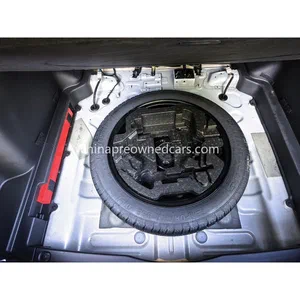
- Tyre condition, interior wear and odometer consistency.
The inspection findings should be documented and reviewed before payment is completed. Any known defects should be disclosed and reflected in the purchase agreement. For both models, the exact trim, manufacturing year, engine displacement and transmission type should appear in the vehicle documents.

4. Shipping method and purchase preparation
After vehicle selection, the export process involves more than arranging transport. Chinese used vehicle exports require the appropriate export licensing, customs declaration, supporting documentation and pre-shipment inspection. The exporter should clarify which party handles each step and provide copies of relevant documents for the buyer’s review.
RoRo shipping is often suitable for vehicles that can be driven onto and off the vessel. It can be a practical option for standard SUVs, although sailing schedules and port services affect availability. Container shipping offers enclosed transport and may suit buyers who prefer additional protection or are coordinating multiple vehicles. Container loading also requires attention to securing arrangements, loading costs and applicable shipping conditions.
Before confirming an order, buyers should establish the following:
- Whether the quoted price covers the vehicle only or includes export handling and shipping.
- Which documents will be supplied for customs clearance and registration.
- Whether the inspection report and vehicle photographs are available before dispatch.
- The payment stages and conditions for releasing the vehicle.
- The estimated shipping schedule and destination port charges.
- What assistance is available if documentation or vehicle-condition issues arise.
After-sales support should also be discussed before purchase. An overseas buyer may need help identifying replacement parts, obtaining technical information or communicating with a local repair workshop. Export documentation and shipping arrangements should be agreed in writing, with responsibility for destination customs clearance clearly defined. Neither the Tiggo 7 Plus nor the Haval H6 should be selected solely on its advertised specification; the individual vehicle, local compliance and ownership support determine whether the purchase makes commercial sense.
FAQ
Q: Is the Chery Tiggo 7 Plus better than the Haval H6 for export?
A: Neither is universally better. The decision depends on the exact engine, trim, vehicle condition, parts availability and import eligibility in the destination market.
Q: Can the Chery Tiggo 7 Plus and Haval H6 be imported into Ghana or Nigeria?
A: Both may be suitable subject to current local import regulations, vehicle specifications and documentation. Buyers should confirm applicable age, emissions and registration requirements before shipment.
Q: Should buyers choose RoRo or container shipping for these SUVs?
A: RoRo is generally suitable for standard operational vehicles, while container shipping provides enclosed transport. The appropriate method depends on shipping cost, cargo arrangements and buyer requirements.