The cheapest purchase price for a used electric vehicle is not necessarily the lowest-cost option after export. For buyers comparing the used car cheapest price in China, battery state of health, charging compatibility, transport classification and destination infrastructure all affect the final cost and resale value. These factors should be checked before agreeing to a vehicle purchase.
1. Why battery health matters more than the purchase price
A used EV’s battery is one of its most important value components. Unlike a combustion engine, which can be assessed through mechanical inspection and diagnostic testing, a traction battery requires specific electronic checks to establish its remaining capacity and operating condition.
Battery state of health (SOH) expresses the battery’s current usable capacity relative to its original condition. An EV showing 90% SOH, for example, has approximately 90% of its original reference capacity remaining. This does not mean the vehicle will deliver exactly 90% of its original driving range under every condition. Temperature, driving speed, terrain, tyre condition and air-conditioning use also affect range.
For export buyers, an SOH figure should come from a diagnostic report rather than a dashboard estimate. The report should identify the vehicle by VIN and include the following information:
- Current battery SOH and available capacity, where supported by the vehicle system.
- Battery voltage and cell voltage differences.
- Recorded battery faults and warning history.
- Charging performance and any restrictions on charging.
- Battery temperature readings and evidence of overheating.
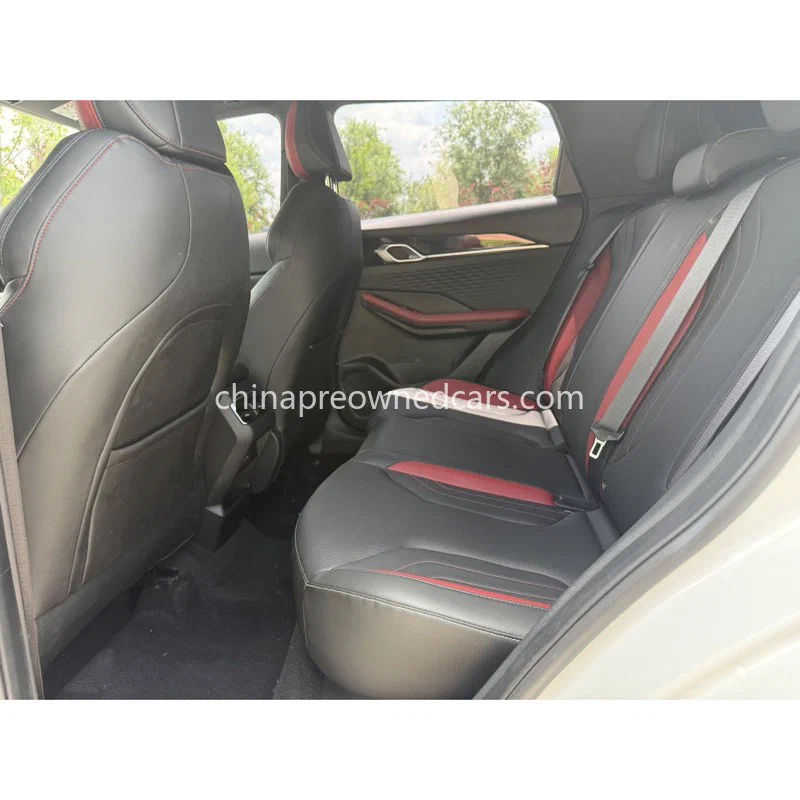
- Signs of water ingress, impact damage or previous battery repairs.
A single SOH percentage is not enough. Two vehicles with similar readings can have different risk profiles if one has a history of battery faults or uneven cell performance. Buyers should request the diagnostic output and confirm that the inspection method is appropriate for the specific model.
2. Charging connectors: GB/T, CCS and CHAdeMO
Charging compatibility can affect whether an imported EV is practical to operate. Chinese-market vehicles commonly use GB/T connectors, while other markets have different charging equipment installed across public and private networks. A connector that works in China should not automatically be assumed to work at the destination.
GB/T is the principal charging standard used by China’s domestic vehicle market. It has separate specifications for AC and DC charging. A Chinese-market BYD Atto 3, for example, may have a charging configuration that differs from an export-market version of the same model. Buyers should check the actual vehicle’s inlet, charging specifications and onboard equipment rather than relying on the model name alone.
CCS2 combines AC and DC charging through one vehicle inlet and is widely used in many international EV markets. CHAdeMO is another DC fast-charging standard, historically associated with Japanese vehicles, but its availability varies considerably between countries and charging networks. Neither standard should be treated as universally available across Ghana, Nigeria, Kenya, Uganda and Tanzania.
For these five markets, buyers should establish which connectors are supported by the charging stations accessible to the intended users. This includes checking public charging operators, commercial fleet depots, private charging installations and available electrical supplies. An adapter may solve some compatibility problems, but it cannot guarantee communication between charging systems, suitable charging speeds or compliance with local electrical requirements.
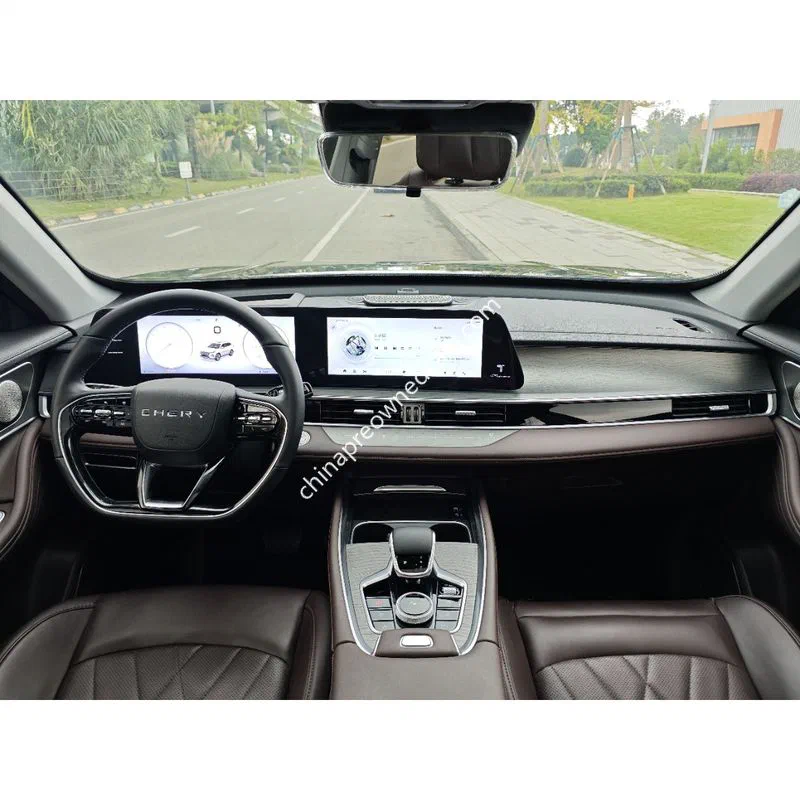
Before shipment, request clear photographs of the vehicle’s charging inlet and the manufacturer’s technical specifications. Confirm AC charging limits, DC fast-charging capability, supported voltage and frequency, and whether the vehicle’s software supports the relevant charging protocol. Retrofitting or converting a charging system after arrival can add cost and may affect warranty coverage.
3. Battery degradation, driving range and resale value
Battery degradation affects the economics of an imported EV beyond its immediate operating range. A vehicle with reduced usable capacity may still be suitable for urban commuting, but it can be less attractive to buyers who regularly travel between towns or operate commercial fleets. This distinction matters in Ghana, Nigeria, Kenya, Uganda and Tanzania, where driving distances, road conditions, electricity availability and charging access differ between locations.
Advertised driving range should be treated as a reference figure, not a guaranteed operating distance. Buyers need to consider the battery’s present capacity alongside the manufacturer’s original range, the vehicle’s energy consumption and the conditions in which it will operate. Frequent use of air conditioning, high-speed driving, heavy loads and steep roads can increase energy consumption. A vehicle that appears economical on a specification sheet may therefore require more frequent charging in actual service.
Battery chemistry and thermal management also deserve attention. Different models use different battery designs and cooling arrangements, which can influence performance and degradation patterns. The BYD Atto 3, for example, uses BYD Blade Battery technology, but its battery condition still needs to be assessed on the individual vehicle. Brand reputation or battery design does not replace a diagnostic inspection.
Resale calculations should account for the expected remaining range rather than the original factory specification. Buyers should compare the acquisition cost, battery condition, charging compatibility and likely local demand. A lower-priced EV with substantially degraded capacity may require a larger discount to remain competitive in the destination market. The same principle applies to plug-in hybrids: the condition of the high-voltage battery, electric driving capability and combustion engine all affect resale value. A buyer comparing purchase offers should calculate the total landed cost, including shipping, insurance, import charges, inspection and any charging-system modifications.
4. Battery transport rules and export preparation
Battery-powered vehicles require additional shipping checks. Lithium-ion batteries are subject to dangerous-goods transport provisions, but the classification of a complete vehicle is different from that of a battery removed and shipped separately. Under the IMDG Code provisions effective in 2026, a vehicle powered solely by a lithium-ion battery is generally classified as UN 3556, Vehicle, lithium ion battery powered, Class 9. A detached lithium-ion battery may fall under UN 3480. Hybrid vehicles containing an internal combustion engine have a different classification, generally under UN 3166, subject to the applicable rules and conditions.

The distinction affects documentation, carrier acceptance and handling. A damaged or defective high-voltage battery can trigger additional restrictions and may require a different transport arrangement. Shipping lines also apply requirements concerning battery condition, state of charge, vehicle preparation and declaration. Under current international guidance, lithium-ion battery-powered vehicles with batteries exceeding 100 Wh generally need to be offered for transport at no more than 30% state of charge, subject to the applicable provisions and any required authority approval.
RoRo and container shipping are both used for vehicle exports from China, but acceptance must be confirmed with the carrier before booking. RoRo is suitable for vehicles accepted as rolling cargo, while container shipping requires suitable loading, securing and dangerous-goods arrangements. The exporter must coordinate export licensing, customs declaration, pre-shipment inspection and shipping documentation. Buyers should request confirmation of the applicable UN classification, carrier acceptance, required declarations and insurance coverage before payment is completed. Battery-related shipping requirements should never be left until the vehicle reaches the port.
For buyers sourcing vehicles through chinapreownedcars.com, the practical checks should cover the vehicle’s VIN, diagnostic report, charging inlet, battery condition and export documents. Destination requirements must also be confirmed independently. Ghana, Nigeria, Kenya, Uganda and Tanzania may apply different rules concerning vehicle age, emissions, roadworthiness, import duties and registration. Most Chinese domestic vehicles are left-hand drive, so buyers should establish that the vehicle’s steering configuration is permitted for the intended market. Charging infrastructure should be checked at the same time. For Ghana, charging-station installation and operation are subject to Energy Commission approval, while Tanzania’s 2026 charging-station guidelines recognize GB/T and CCS2 among accepted connector standards. These examples do not establish universal acceptance across all five markets.
FAQ
Q: Is a used EV with 85% battery health worth buying for export?
A: It can be suitable, depending on the vehicle’s original capacity, remaining driving range and intended use. Buyers should also review cell balance, fault history and charging performance before deciding.
Q: Can a Chinese GB/T electric vehicle charge in Ghana, Nigeria or Kenya?
A: Not necessarily. Buyers must verify local charging equipment and vehicle compatibility before purchase; an adapter alone does not guarantee DC fast-charging compatibility.
Q: Does UN 3480 apply to an electric car shipped from China?
A: UN 3480 generally applies to lithium-ion batteries shipped separately, not complete lithium-ion-powered vehicles. Complete vehicles have their own transport classification, generally UN 3556 under the 2026 IMDG Code.