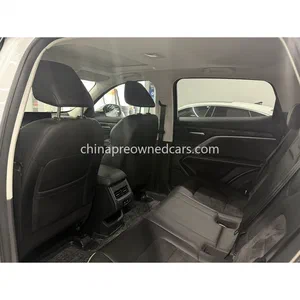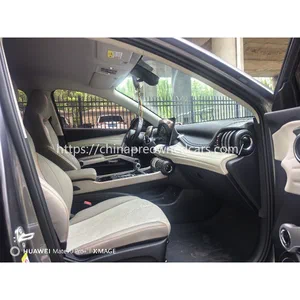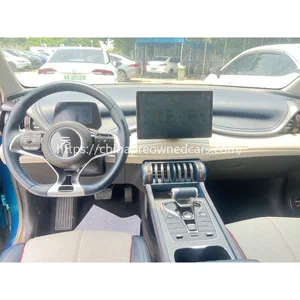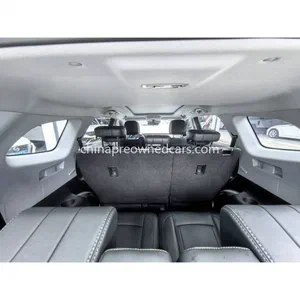
Cheap used EVs can be viable export vehicles, but battery state of health and connector compatibility must be checked before price is assessed. Export compliance, drive side, charging access, and battery shipping status also affect whether a vehicle can be sold in Ghana, Nigeria, Kenya, Uganda, or Tanzania.
A battery report should show measured state of health, usable capacity, cell balance, fault codes, charging history where available, and the result of a diagnostic scan. A short road test is useful, but it cannot replace battery data. For hybrids such as the Chery Tiggo 7 Plus or Chery Tiggo 8 Pro, inspect the high-voltage battery, combustion engine, cooling system, and transition between drive modes. Range falls as capacity declines, so battery degradation can reduce resale value even when the vehicle looks clean.
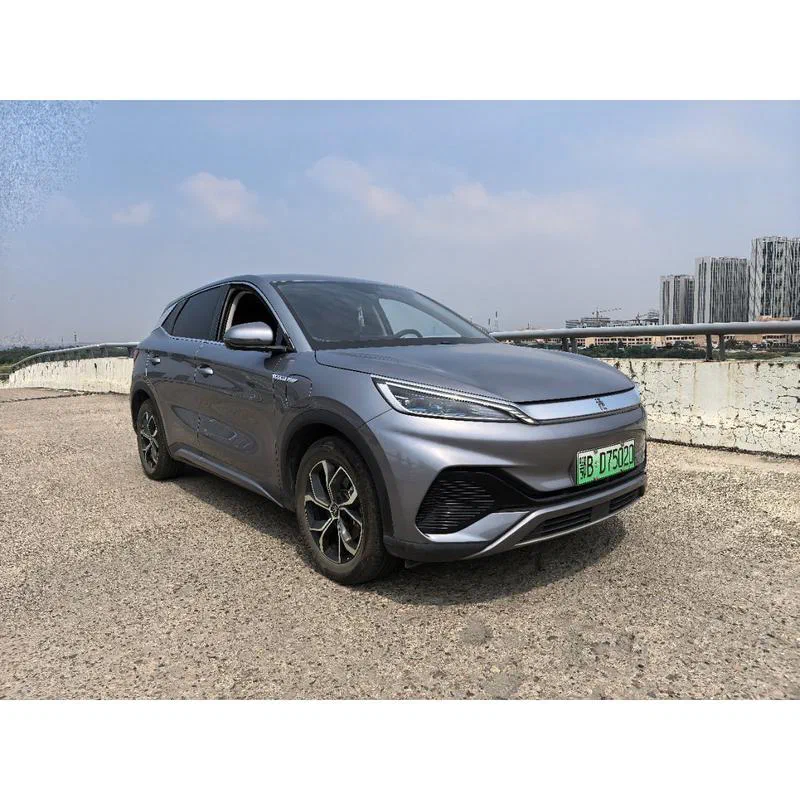
Connector type needs confirmation before purchase. Chinese-market EVs often use GB/T for AC and DC charging, while many export markets are more familiar with CCS2; CHAdeMO remains present in some older charging networks but is less common in newer installations. The BYD Atto 3 specification, charging inlet, supplied cables, and onboard charger should be verified by VIN and photographs. A GB/T vehicle may need compatible equipment or an approved adapter, and an adapter does not solve every issue involving charging communication, power rating, or local service support.
Battery transport requires separate attention. A lithium-ion battery shipped alone is generally treated as UN 3480 dangerous goods, while a vehicle containing its battery can have a different classification; the carrier and current dangerous-goods rules determine the required documents. The exporter must complete licensing, customs declaration, pre-shipment inspection, and shipping paperwork. RoRo is often suitable for operable vehicles, while container loading can protect a vehicle and support consolidated cargo, subject to carrier approval. Buyers comparing used cars cheap sale listings should also verify LHD acceptance: most Chinese domestic vehicles are left-hand drive, while some East African markets commonly operate right-hand-drive vehicles. Confirm the destination’s current rules on vehicle age, emissions, drive side, registration, and roadworthiness before payment.

FAQ
Q: How is battery health checked on a used EV for export? A: Request a diagnostic report showing state of health, usable capacity, cell balance, error codes, and charging performance. Match the report with the VIN and confirm the test date.
Q: Which charging connector should an importer choose? A: Confirm whether local chargers support GB/T, CCS2, or CHAdeMO, then check the vehicle inlet and cable specification. Adapter availability alone does not guarantee full charging compatibility.
Q: Can an EV be shipped in the same way as a petrol vehicle? A: Shipping classification depends on the vehicle and battery condition, and carriers may require dangerous-goods information. The exporter should confirm the approved RoRo or container procedure before booking.