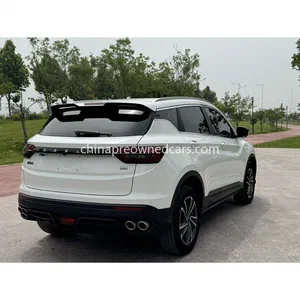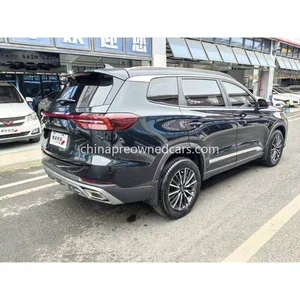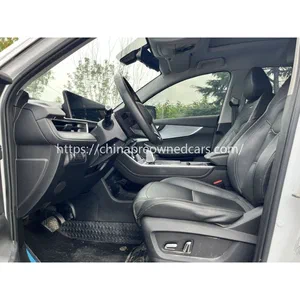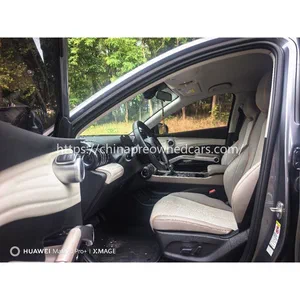
Buyers can assess certified pre-owned cars for export by reviewing inspection records, vehicle documents, and shipping procedures before purchase. The export workflow starts with vehicle checks in China and continues through customs clearance, port handling, and overseas delivery.
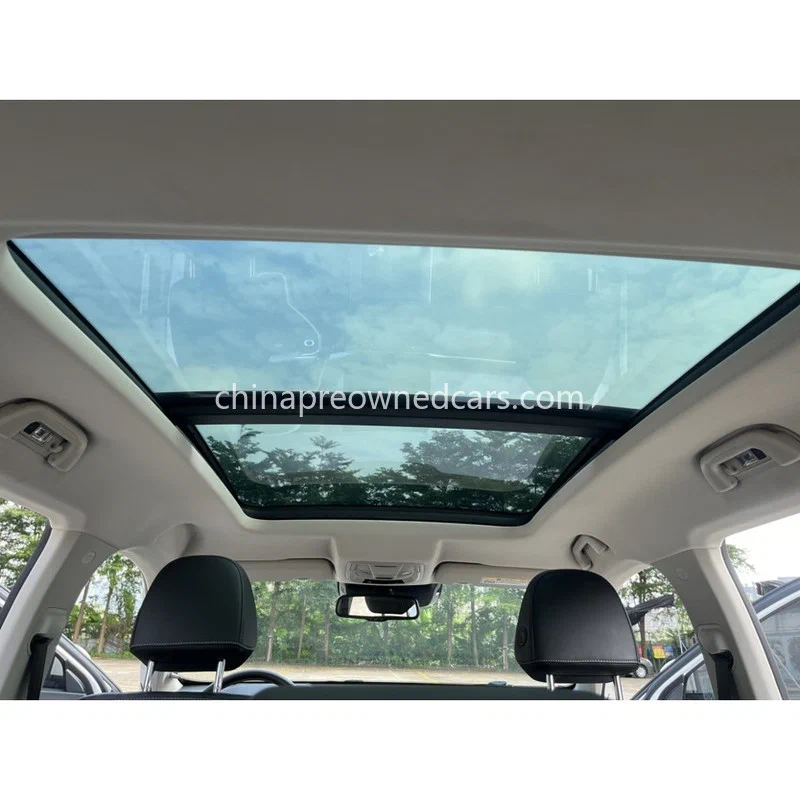
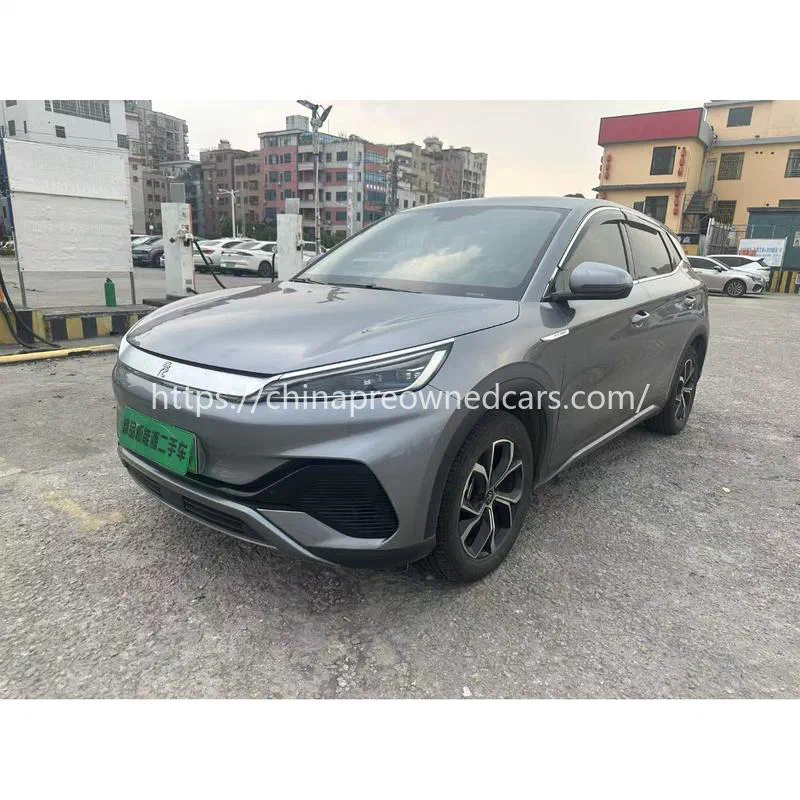
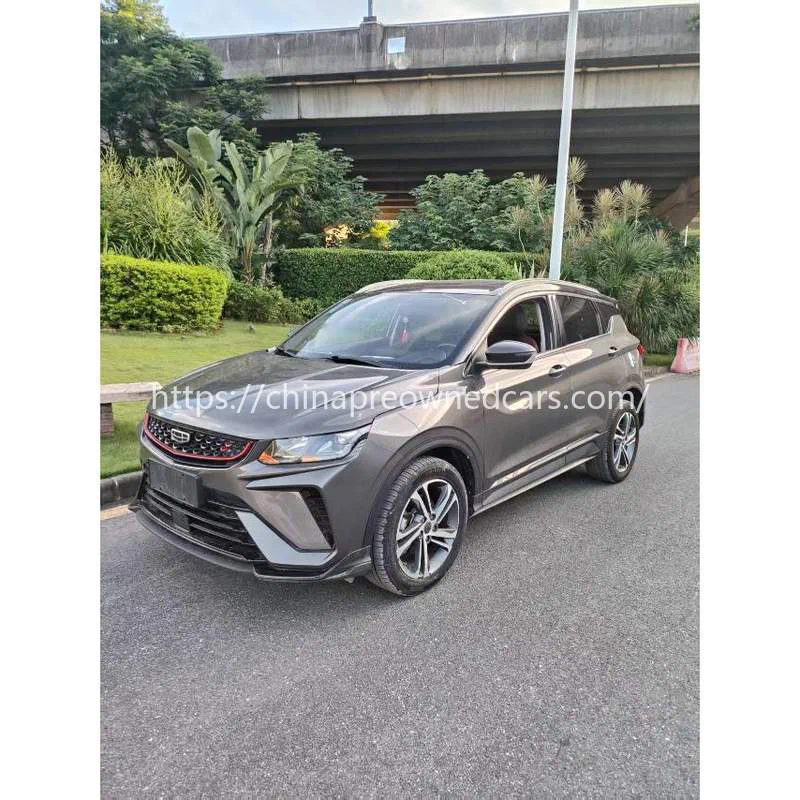
A pre-shipment inspection covers the vehicle’s identification, exterior condition, interior condition, mechanical systems, electrical functions, and, for electric models, battery health information. Exporters may provide inspection documentation or certification records based on the inspection process used. For models such as BYD Atto 3, Chery Tiggo 7 Plus, Chery Tiggo 8 Pro, Geely Coolray, and Haval H6, buyers should review the available records rather than rely on general descriptions. Good certified pre owned cars are evaluated through documented checks, not only appearance.
Export inspection and documentation process

After a vehicle is selected, the exporter prepares the required export paperwork. The process normally includes export licensing, customs declaration, bill of lading preparation, and documents such as a certificate of origin when required. Vehicle details, including VIN information, should match across records to support customs review and destination import procedures.
Shipping arrangements depend on vehicle type, destination port, and handling requirements. RoRo shipping is commonly used for suitable vehicles because cars can be driven onto and off the vessel, while container shipping can provide additional protection and may fit buyers shipping multiple units or requiring enclosed transport. Each method has different cost, scheduling, and handling considerations.
Port delivery and buyer checks
After customs clearance in China, vehicles move to the departure port for loading. Typical lead times vary because export preparation, vessel schedules, port operations, and destination procedures affect the timeline. Buyers importing to Ghana, Nigeria, Kenya, Uganda, or Tanzania should confirm current local requirements before shipment, including vehicle age limits, emission standards, drive side rules, and roadworthiness requirements.
Most vehicles sourced from China are left-hand drive, which matches many markets but may not suit locations requiring right-hand-drive vehicles. Used electric vehicles also require additional attention because battery condition, state-of-health records, and battery transport requirements differ from combustion vehicles.
Before payment and shipment confirmation, buyers should verify the exporter’s process, available inspection documents, vehicle history information, and after-sales support arrangements. Importers should also confirm payment terms and shipping responsibilities in writing. A clear export process helps reduce document delays and unexpected issues at the destination port.
FAQ
Q: What documents are needed to export a used car from China? A: Common documents include export licenses, customs declaration materials, bill of lading, and other trade documents such as a certificate of origin when required. Destination authorities may request additional paperwork.
Q: Which shipping method is better for used vehicles, RoRo or container shipping? A: RoRo is often suitable for standard vehicle transport, while container shipping may provide enclosed protection for certain shipments. The suitable option depends on vehicle type, destination, and logistics requirements.
Q: What should buyers check before importing a used Chinese vehicle? A: Buyers should review inspection records, VIN information, vehicle condition details, battery health data for EVs, and destination import rules. Current requirements should be confirmed with local authorities or customs agents.