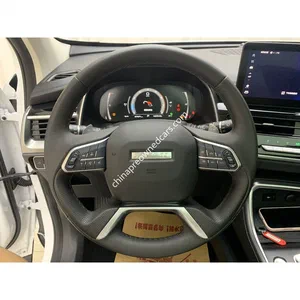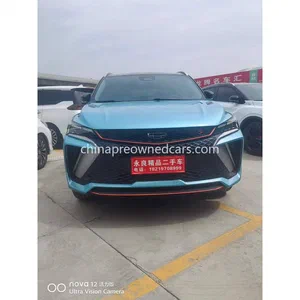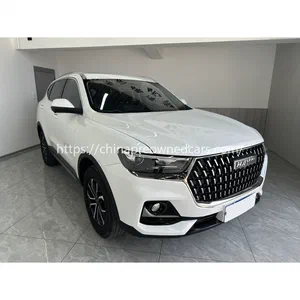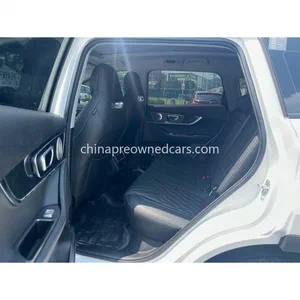
A budget of $3,500 can be enough to buy certain used vehicles for export, but it is a tight limit for a complete shipment from China. Buyers searching for used cars for 3500 need to distinguish the vehicle purchase price from inspection, export documentation, inland transport, shipping, insurance, customs duties, and destination charges. The final cost depends on the vehicle, shipping method, and import requirements in the receiving country.
What Can $3,500 Buy for Export?
The first decision is whether the budget covers the vehicle alone or the entire transaction through arrival at the destination port. These are very different purchasing targets. A vehicle priced at $3,500 in China may require substantial additional spending before it reaches a buyer in Ghana, Nigeria, Kenya, Uganda, or Tanzania. A total budget at that level leaves less room for shipping and import expenses, so the available vehicle choices may be limited.
Vehicle type also affects what is realistic. Chinapreownedcars.com specializes in Chinese-brand SUVs, including the BYD Atto 3, Chery Tiggo 7 Plus, Chery Tiggo 8 Pro, Geely Coolray, and Haval H6. These models serve different needs, from electric driving to conventional petrol-powered family transport. However, the purchase price of a specific used unit depends on its model year, mileage, equipment, condition, and market availability. Buyers should request current quotations rather than assume that any listed model can be supplied within a $3,500 vehicle budget.
For buyers working with a strict spending ceiling, an older or more basic vehicle may appear attractive, but the initial price is only one part of the calculation. High mileage, accident repairs, worn suspension components, or deferred maintenance can create costs after arrival. For an electric vehicle, battery degradation can also affect its usable range and future operating expenses. The better comparison is the estimated landed cost against the vehicle’s expected condition and suitability for local use.
How to Assess Condition Before Paying
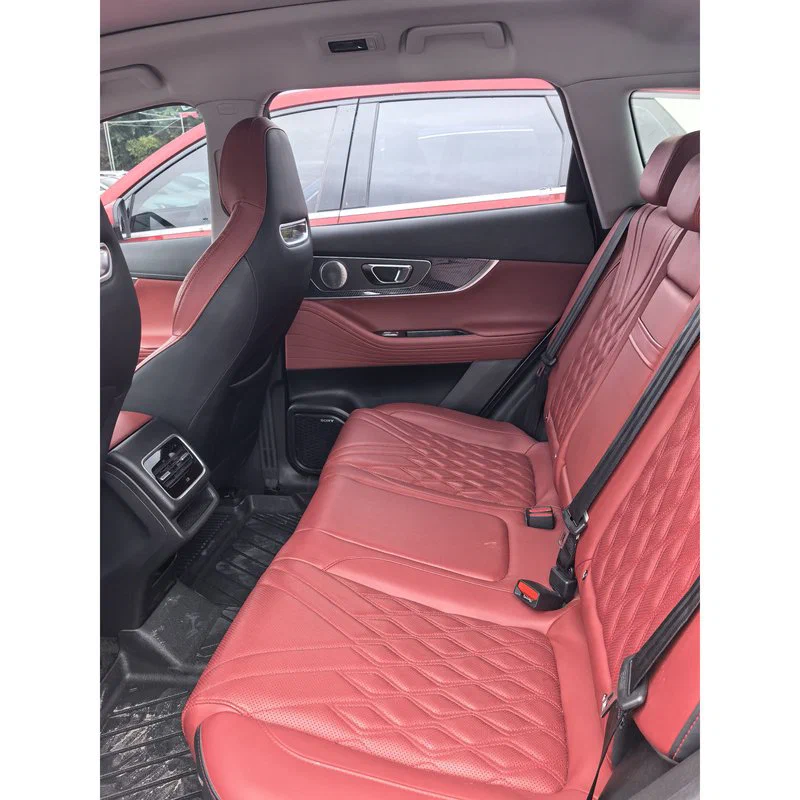
A low advertised price is not evidence of good value. Buyers should request the vehicle identification number (VIN), model year, odometer reading, service records where available, and photographs of the exterior, cabin, engine compartment, and underbody. The VIN should be checked against the available vehicle documents. Mileage and history should be treated as items to verify, not as guaranteed facts.
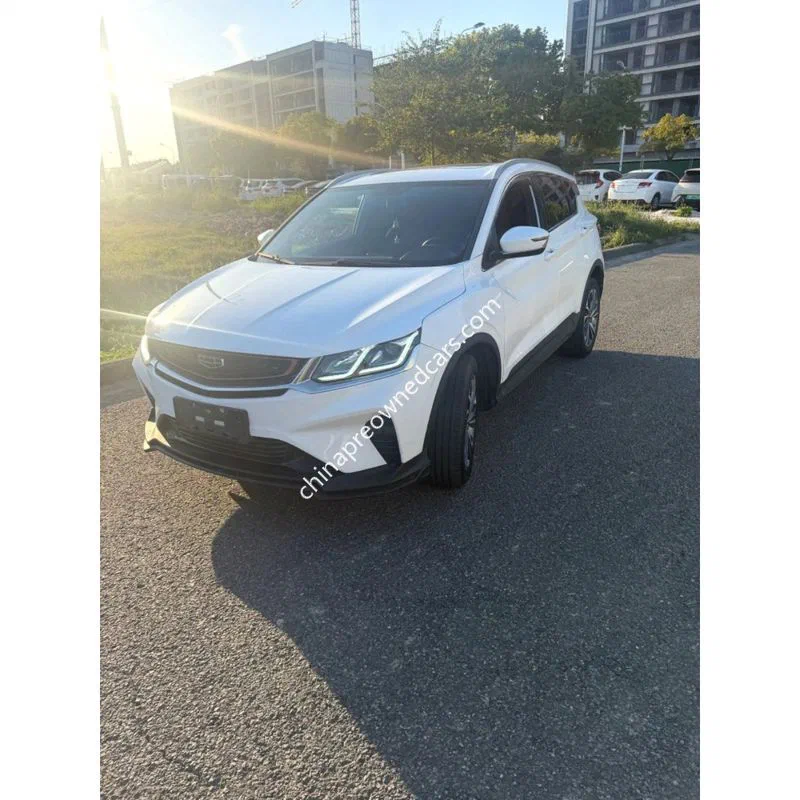
A pre-shipment inspection provides another layer of evidence. Depending on the agreed inspection scope, checks can cover body damage, paint repairs, tire wear, braking components, warning lights, fluid leaks, engine operation, transmission behavior, and electrical equipment. Buyers should ask for a written report with dated photographs and a clear record of any faults found. If the report identifies a material problem, the buyer can decide whether to renegotiate, request repairs, or reject the vehicle under the agreed purchase terms.
Electric and hybrid models need additional checks. For the BYD Atto 3, battery state of health, estimated usable capacity, diagnostic fault codes, charging operation, and remaining driving range deserve particular attention. A dashboard range estimate alone does not establish battery condition. Hybrid vehicles also require checks of the petrol engine, electric drive system, battery, and transition between operating modes. Battery transport requirements should be confirmed with the shipping provider before booking, since they can differ from arrangements for conventional combustion vehicles.
Calculate Export and Import Costs Before Committing
A practical quotation should separate the main cost components instead of presenting the vehicle price as the full expense. Buyers should request a breakdown covering:
- Vehicle purchase price and agreed inspection charges.
- Export licensing, customs declaration, and required documentation.
- Inland transport to the departure port and port handling.
- Ocean freight, cargo insurance where arranged, and shipping-related fees.
- Destination port charges, customs duties, taxes, inspection costs, and local delivery.
The exact charges depend on the transaction and destination. China-based exporters must complete the applicable export licensing and customs procedures, along with pre-shipment inspection requirements. The buyer should confirm which party handles each step and which costs are included in the quotation. Payment milestones, refund conditions, and the procedure for resolving inspection discrepancies should be documented before funds are transferred.
Shipping normally uses either roll-on/roll-off (RoRo) service or container transport, subject to vehicle eligibility and carrier availability. RoRo can suit vehicles accepted for direct loading onto a vessel, while container shipping may offer different handling and consolidation options. Neither method is automatically cheaper for every shipment. The comparison should include origin charges, freight, destination handling, and any additional costs associated with the selected service. Transit estimates should also be distinguished from the time required for sourcing, inspection, export clearance, and port release.
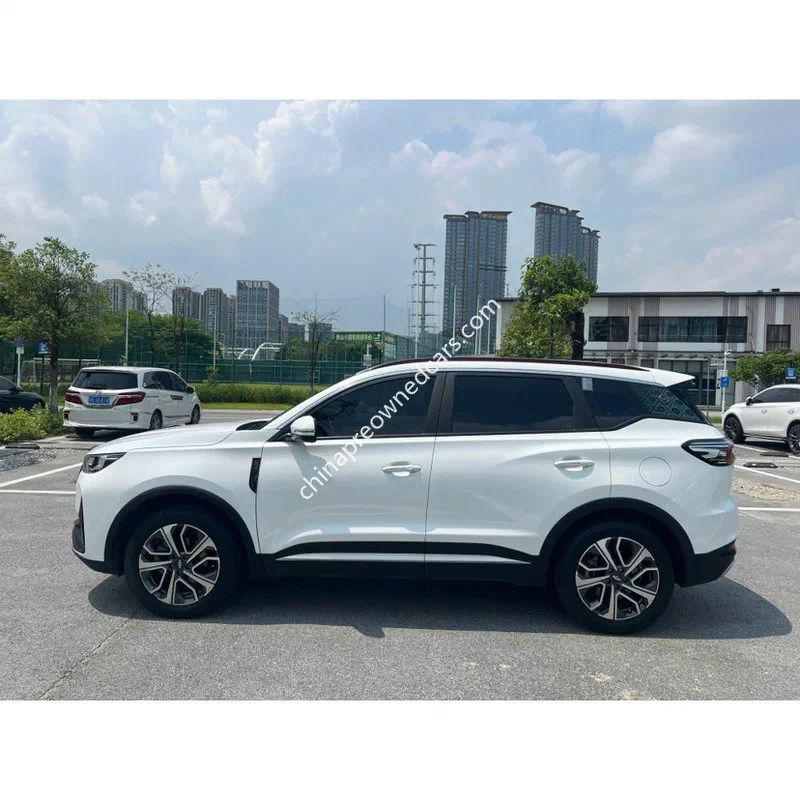
Destination rules can determine whether a low-cost vehicle is worth purchasing at all. Ghana, Nigeria, Kenya, Uganda, and Tanzania each have import requirements that buyers must verify against current official guidance. Vehicle age restrictions, emissions rules, inspection procedures, duties, and registration conditions can change. Most vehicles in China’s domestic market are left-hand drive, so buyers should confirm that the vehicle’s steering configuration is acceptable in the intended market before paying. A quotation should not be treated as confirmation that a vehicle is eligible for import or registration.

The final purchasing decision should be based on a written landed-cost estimate and evidence about the specific vehicle. Chinapreownedcars.com can assist buyers with sourcing listed Chinese-brand models, export documentation, inspection coordination, and shipping arrangements. Buyers should confirm the selected vehicle’s availability, condition, included services, and payment terms individually. If $3,500 is the absolute limit, it is especially important to establish whether that amount covers the vehicle only or every expense through destination clearance. If the budget cannot cover both a suitable vehicle and the required export and import costs, adjusting the budget or reconsidering the vehicle specification is safer than sacrificing essential checks.
FAQ
Q: Can I export a used SUV from China for a total budget of $3,500?
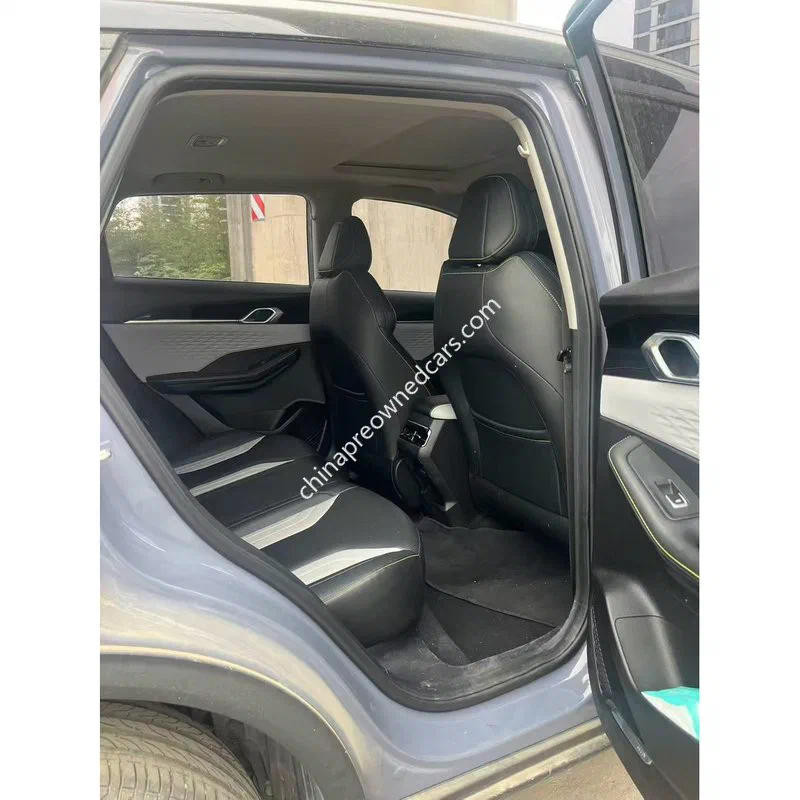
A: It may be possible to source some lower-cost vehicles, but a suitable SUV plus shipping, documentation, and destination charges may exceed this budget. Request a vehicle-specific quotation with all included and excluded costs before committing.
Q: What should I verify before buying a cheap used car for export to Africa?
A: Check the VIN, available history, mileage evidence, inspection report, and any mechanical or battery test results. Confirm current import rules, steering configuration, shipping costs, and destination charges before making payment.