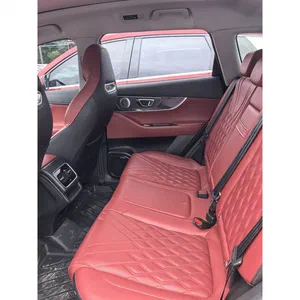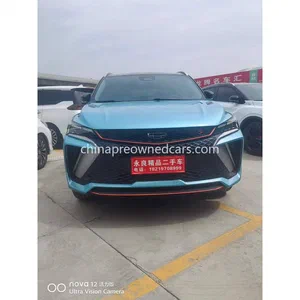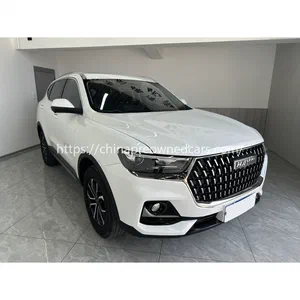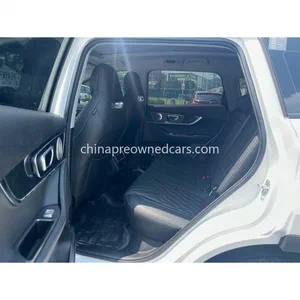
Certified used cars under $20,000 can be available for export from China, depending on the model, vehicle condition, and what the budget includes. Buyers should distinguish a vehicle that has passed an inspection from one covered by a formal certification programme, then calculate the full cost of purchase, shipping, customs clearance, and destination charges before committing.
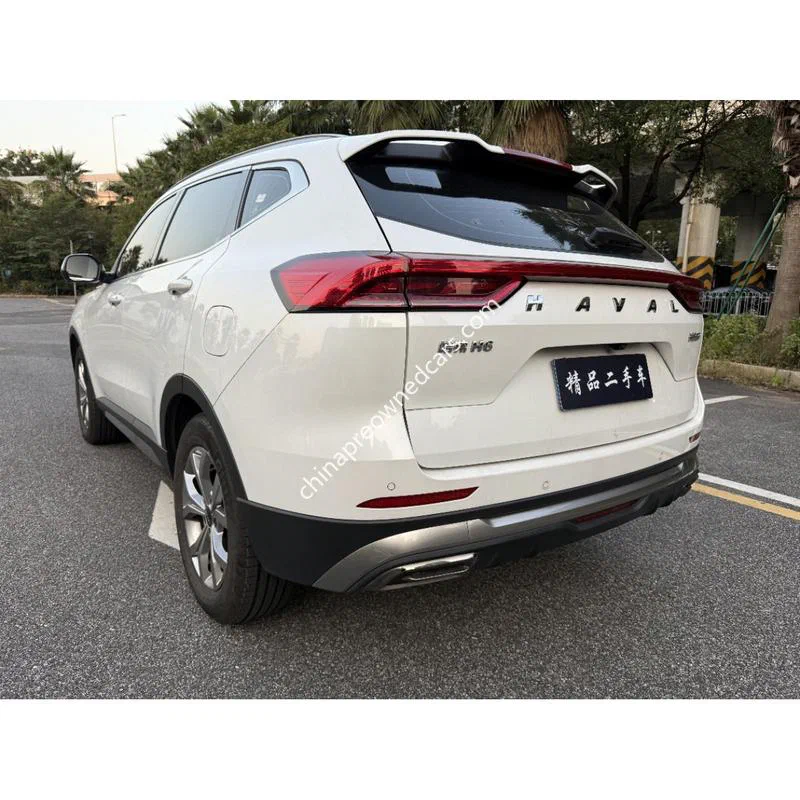
For buyers sourcing Chinese SUVs, the BYD Atto 3, Chery Tiggo 7 Plus, Chery Tiggo 8 Pro, Geely Coolray, and Haval H6 are relevant models to compare against the budget. Their powertrains and equipment differ, so the right choice depends on the intended use and local operating conditions. A used vehicle advertised below $20,000 does not necessarily remain within that limit after export costs. Buyers should request a written quotation that separates the vehicle price from inspection, export handling, freight, insurance where applicable, and destination expenses. The quotation should also clarify whether the budget refers to the vehicle alone or the total landed cost.
Certification needs careful interpretation. There is no single certification label that automatically establishes a used vehicle’s suitability for every export market. A buyer should ask what inspection was performed, who conducted it, and whether the report identifies the vehicle by its VIN. Useful checks include exterior and structural damage, signs of previous repairs, odometer consistency, engine or electric drive performance, warning lights, tyres, brakes, and electronic systems. Service records and available ownership or accident-history documents should be reviewed alongside the inspection report. Any grading system should have written definitions, with photographs supporting the stated condition. Certification should not replace independent verification, and neither a grade nor a report guarantees that a vehicle has no undiscovered faults.
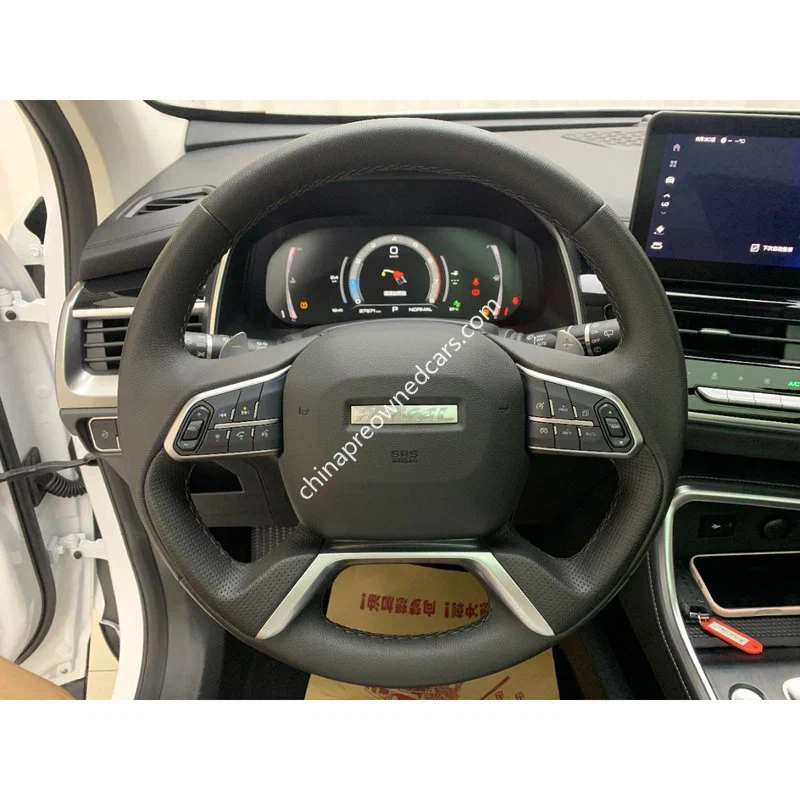
Electric vehicles require additional checks. For a used BYD Atto 3, request available battery state-of-health information, diagnostic results, charging-system checks, and details of any battery repairs or replacements. Battery capacity and charging performance can affect operating costs and resale value, while transport arrangements must account for the vehicle’s battery status and applicable carrier requirements. Buyers should also confirm whether charging equipment and local charging infrastructure are compatible with their intended use. For petrol-powered models such as the Geely Coolray and Haval H6, engine condition, transmission operation, cooling performance, and maintenance history deserve close attention. The same principle applies to the Chery Tiggo 7 Plus and Tiggo 8 Pro: assess the specific vehicle rather than assuming all units of a model have the same condition or equipment.

Export suitability must be checked against the destination country’s current regulations before payment. Ghana, Nigeria, Kenya, Uganda, and Tanzania each have import procedures and may apply restrictions involving vehicle age, emissions, roadworthiness, documentation, and other eligibility criteria. Requirements can change, so importers should confirm the latest rules with the relevant authorities or a qualified local customs agent. Most vehicles sourced from China’s domestic market are left-hand drive (LHD). This matters where destination rules require right-hand-drive vehicles or restrict left-hand-drive imports. Once eligibility is confirmed, the exporter must arrange the required export licensing, pre-shipment inspection, customs declaration, and shipping documentation. RoRo shipping generally involves driving eligible vehicles onto and off a vessel, while container shipping places vehicles inside a freight container. The suitable method depends on carrier acceptance, route availability, cost, and cargo requirements. Buyers should agree on payment milestones, document responsibilities, estimated shipping schedules, and the process for reporting discrepancies before the vehicle leaves China. Clear terms reduce uncertainty when the vehicle reaches the destination port.
FAQ
Q: Does certified mean a used car is guaranteed to be problem-free?
A: No. Certification depends on the inspection scope and issuing party, so buyers should review the report, verify the VIN, and arrange additional checks where necessary.
Q: Can a used SUV priced below $20,000 be exported to Ghana, Nigeria, Kenya, Uganda, or Tanzania?
A: Potentially, provided the vehicle meets the destination’s current import requirements and the budget covers the intended costs. Confirm eligibility, shipping charges, and local taxes before placing an order.