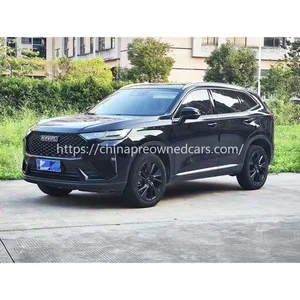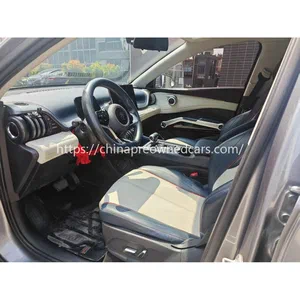
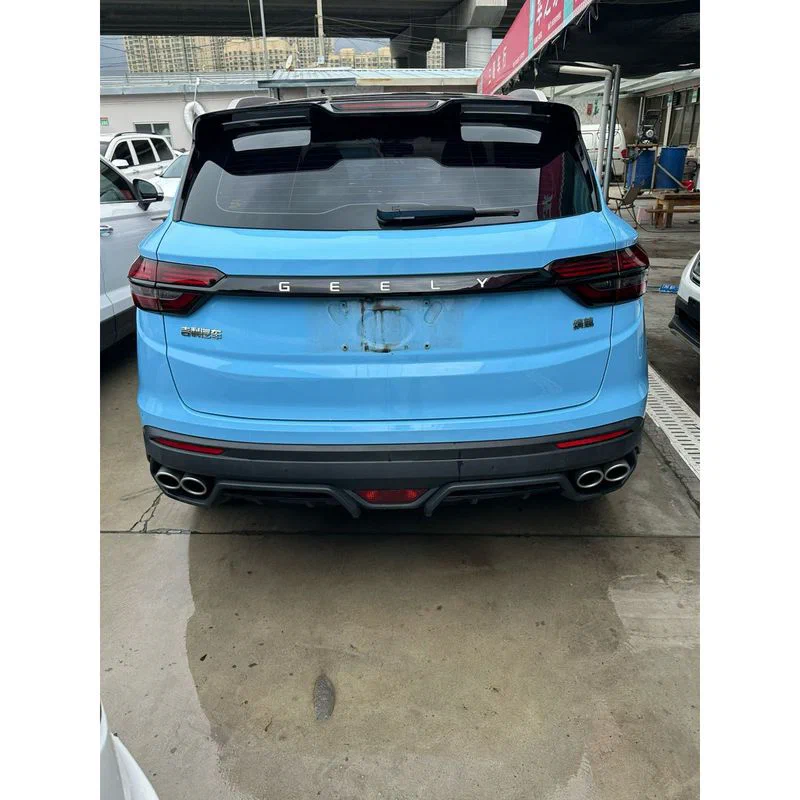
Choosing between the BYD Atto 3 and a hybrid SUV depends mainly on charging access, daily travel distance, fuel availability, and the import requirements of the destination country. The Atto 3 is a fully electric vehicle, while models such as the Chery Tiggo 7 Plus, Chery Tiggo 8 Pro, Geely Coolray, and Haval H6 offer alternatives with combustion or hybrid powertrains, depending on the specific version.
1. Powertrain and operating costs: what changes for the buyer?
The BYD Atto 3 uses a battery-electric powertrain. It has no petrol engine, exhaust system, or conventional transmission, so routine servicing differs from that of a combustion vehicle. Electricity replaces petrol as its energy source. This can reduce operating costs where charging is accessible and electricity prices are favourable. However, the purchase calculation must include battery condition, charging equipment, and the cost of installing suitable charging facilities.
Hybrid SUVs offer a different arrangement. A conventional hybrid combines an internal combustion engine with an electric motor and battery. It can recover energy during braking and use electric assistance at lower speeds, but still relies on fuel. A plug-in hybrid can travel farther on battery power and recharge externally, although its benefits depend on regular charging. Buyers should distinguish between these systems rather than treating every vehicle advertised as a hybrid as equivalent.
The listed Chery Tiggo 7 Plus, Chery Tiggo 8 Pro, Geely Coolray, and Haval H6 require version-specific checks because powertrain specifications can differ by model year and trim. A buyer comparing the Atto 3 with a hybrid should request the exact model designation, engine or motor specification, battery capacity where applicable, and transmission details. Fuel consumption figures should also be checked against the specific vehicle configuration rather than taken from another version of the same model.
2. Range, fuel consumption and charging infrastructure

For an electric SUV, driving range is a practical operating limit rather than a fixed distance under every condition. Battery age, temperature, road speed, vehicle load, tyre pressure, and air-conditioning use all affect energy consumption. The advertised range is generally measured under controlled testing conditions. Actual driving results may be lower, particularly on long journeys or rough roads.
The Atto 3 therefore suits buyers who can plan charging around their normal routes. Before purchase, confirm the vehicle’s charging connector, supported AC and DC charging rates, and compatibility with charging equipment at the intended destination. Charging standards and available infrastructure are not identical across markets. A connector that works with equipment in China may require an adapter or may not be directly compatible with local charging networks. This should be resolved before shipment, not after arrival.
Hybrid SUVs avoid dependence on public charging networks. They can refuel through established petrol distribution systems, making them easier to operate across routes where charging facilities remain limited. Their trade-off is continued fuel consumption and the maintenance requirements of an engine-based vehicle. For buyers considering a used electric car cheap enough to make the purchase attractive, the total cost calculation should include battery condition, charging access, and any necessary electrical installation.
3. Import compatibility, vehicle condition and export preparation
Drive configuration is an important early filter for African buyers. Ghana, Nigeria, Kenya, Uganda, and Tanzania generally use right-hand-drive vehicles for normal road operation. Most vehicles sourced from China’s domestic market are left-hand drive. This creates a significant compatibility issue for the listed inventory, including the BYD Atto 3 and the SUV alternatives. Buyers should confirm whether a particular LHD vehicle can legally be imported, registered, and operated in the destination country before committing to a purchase. RHD sourcing may be necessary where local rules do not permit LHD vehicles.
Emission requirements also affect the choice. Combustion and hybrid vehicles may be subject to age restrictions, emissions testing, or other roadworthiness requirements. Fully electric vehicles do not produce tailpipe emissions, but that does not automatically exempt them from vehicle-age rules, registration procedures, or other import controls. Requirements differ between Ghana, Nigeria, Kenya, Uganda, and Tanzania and can change. Importers should verify the current rules with the relevant customs authority or a licensed local clearing agent.
Vehicle condition requires separate attention. For the Atto 3, request a battery state-of-health assessment, diagnostic fault scan, charging test, and inspection of the battery enclosure for damage. Battery capacity retention matters because it affects usable range and future operating costs. For combustion and hybrid SUVs, checks should cover engine operation, transmission behaviour, cooling systems, suspension, brakes, and electronic controls. All models should undergo VIN verification and checks of available service records and accident history. Mileage and condition should be supported by inspection evidence, not accepted solely from a seller’s description.
4. Choosing the right vehicle and arranging export
The most suitable option depends on the buyer’s operating conditions. The Atto 3 is worth considering where charging infrastructure is dependable, daily routes are predictable, and battery servicing is accessible. A hybrid SUV may be more practical where vehicles cover long distances between towns or operate in areas with limited charging facilities. The Tiggo 7 Plus and Geely Coolray may suit buyers seeking a smaller SUV format, while the Tiggo 8 Pro and Haval H6 provide alternatives for buyers comparing larger vehicle configurations. Exact dimensions, seating arrangements, engine specifications, and equipment should be verified against the individual unit.
Export preparation begins with confirming vehicle eligibility and completing the purchase inspection. China’s used vehicle export process requires the appropriate export licensing, customs declaration, and pre-shipment inspection. The exporter coordinates the necessary documentation and shipping arrangements. Buyers should obtain the commercial invoice, vehicle identification details, export documents, inspection records, and shipping paperwork relevant to the transaction. The final document list should be checked against the destination country’s clearance requirements.
Shipping generally uses Roll-on/Roll-off (RoRo) or container transport. RoRo is suitable for vehicles accepted by the carrier and allows them to be driven onto and off the vessel. Container shipping places the vehicle inside a secured container and may suit buyers who require additional protection or are shipping multiple units, subject to loading arrangements and carrier restrictions. Used EVs need additional attention to battery transport declarations and carrier acceptance requirements. Shipping schedules, port handling, and customs processing all affect the overall lead time, so buyers should obtain a shipment-specific estimate rather than rely on a general delivery promise.
FAQ
Q: Is the BYD Atto 3 a better export choice than a hybrid SUV?
A: Neither is universally better. The Atto 3 suits buyers with compatible charging facilities, while a hybrid SUV can be more practical where petrol access is easier than reliable charging.
Q: Can Chinese left-hand-drive SUVs be imported into Ghana, Nigeria, Kenya, Uganda, and Tanzania?
A: Import and registration rules differ by country, and most domestic-market Chinese vehicles are left-hand drive. Buyers should confirm current drive-side restrictions, vehicle-age limits, and other import requirements with the destination country’s customs authority before purchasing.