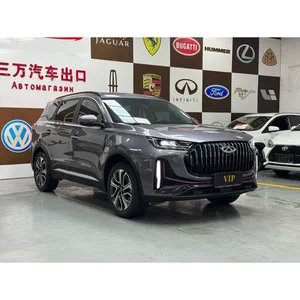

Choosing between the BYD Atto 3 and a used hybrid SUV depends mainly on charging access, driving conditions and the import requirements of the destination country. The Atto 3 runs entirely on battery power, while hybrid alternatives such as the Chery Tiggo 7 Plus and Tiggo 8 Pro combine a combustion engine with electric assistance in applicable versions.
Powertrain, running costs and driving range
The BYD Atto 3 is a fully electric SUV. It has no petrol engine, exhaust emissions or conventional transmission, so routine servicing does not involve engine oil changes or exhaust-system maintenance. Its practical driving range depends on battery condition, speed, climate, terrain and accessory use. For export buyers, the advertised range should not be treated as the expected range of a used vehicle. A battery state-of-health report, charging test and diagnostic scan provide a more useful basis for comparison.
Hybrid SUVs offer a different operating profile. The Chery Tiggo 7 Plus and Tiggo 8 Pro have versions with different powertrains, so buyers must confirm the exact engine and hybrid configuration before comparing fuel consumption. A conventional petrol version should not be confused with a plug-in hybrid. Geely Coolray and Haval H6 are also relevant alternatives, although their specifications vary by model year and market. Hybrids generally reduce dependence on charging infrastructure, but retain engine servicing requirements and fuel costs. For buyers considering used electric cars for sale under $20 k, the purchase price should be assessed alongside battery condition and expected energy costs.
Export compatibility: charging, emissions and steering position
Charging compatibility is a key consideration for the Atto 3. Buyers should verify the vehicle’s charging connector, supported AC and DC charging standards, charging power and compatibility with local charging stations. A connector mismatch can limit access to public charging or require additional equipment. Home charging also depends on the available electrical supply. In areas with limited charging coverage or unreliable electricity, a hybrid may be easier to operate, particularly for long-distance journeys between towns.
Destination regulations can affect both EV and hybrid imports. Ghana, Nigeria, Kenya, Uganda and Tanzania each have their own requirements covering vehicle age, emissions, customs procedures and roadworthiness. These rules can change, so the applicable requirements should be checked before a vehicle is selected. Hybrid vehicles must meet the relevant engine-emission requirements, while a battery EV has no tailpipe emissions but remains subject to import and vehicle approval rules. Steering position is another important filter. Most Chinese domestic-market vehicles are left-hand drive (LHD), which may restrict eligibility or registration in right-hand-drive markets. Buyers should confirm whether a specific LHD vehicle can be imported and registered before paying a deposit.
Condition checks and export preparation
A sound comparison starts with the vehicle’s actual condition rather than its model name. For the Atto 3, request battery health information, charging records where available, diagnostic results, underbody photographs and evidence of accident repairs. For hybrids, check engine operation, transmission behaviour, cooling systems, hybrid battery diagnostics where fitted and service history. Mileage should be cross-checked against available records and vehicle wear. A pre-shipment inspection can document the vehicle’s condition, but it does not guarantee future performance.

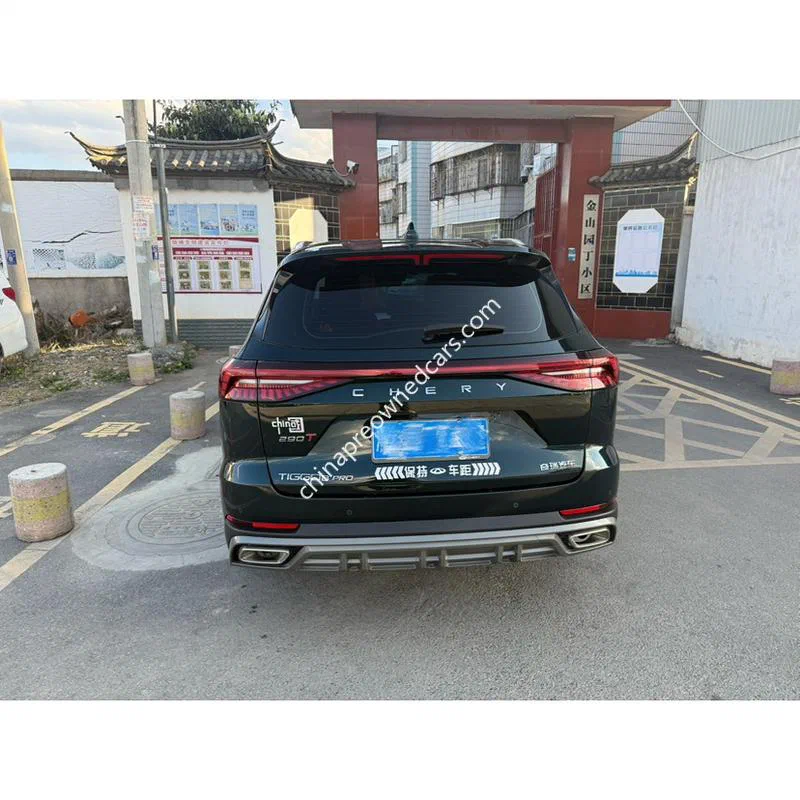
The export process normally involves vehicle sourcing, inspection, export licensing, customs declaration, documentation and shipment arrangements. RoRo shipping is generally suitable for vehicles driven onto a vessel, while container shipping offers enclosed transport and may suit buyers shipping multiple vehicles or requiring additional protection. The choice affects handling arrangements and total logistics costs. Buyers should agree on the vehicle specification, inspection scope, payment milestones, shipping method and responsibility for destination charges in writing. Export documentation should be checked against the vehicle’s VIN and the consignee’s details. After-sales support should also be discussed before purchase, particularly access to diagnostic information, replacement parts and technical assistance for the selected powertrain.
FAQ
Q: Is the BYD Atto 3 a better export choice than a hybrid SUV?
A: It can be suitable where charging access, compatible connectors and battery servicing are available. A hybrid such as an applicable Chery Tiggo 7 Plus version may be more practical where charging infrastructure is limited.
Q: What should buyers verify before importing a used BYD Atto 3?
A: Check battery state of health, charging compatibility, accident and service history, LHD registration eligibility and current destination import regulations. Arrange a documented pre-shipment inspection before completing the purchase.