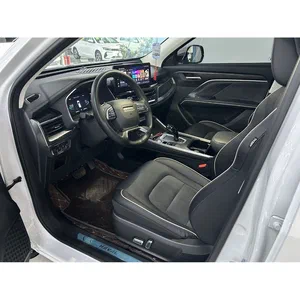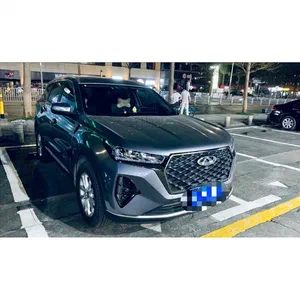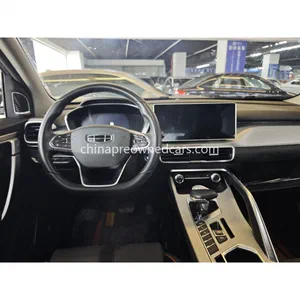
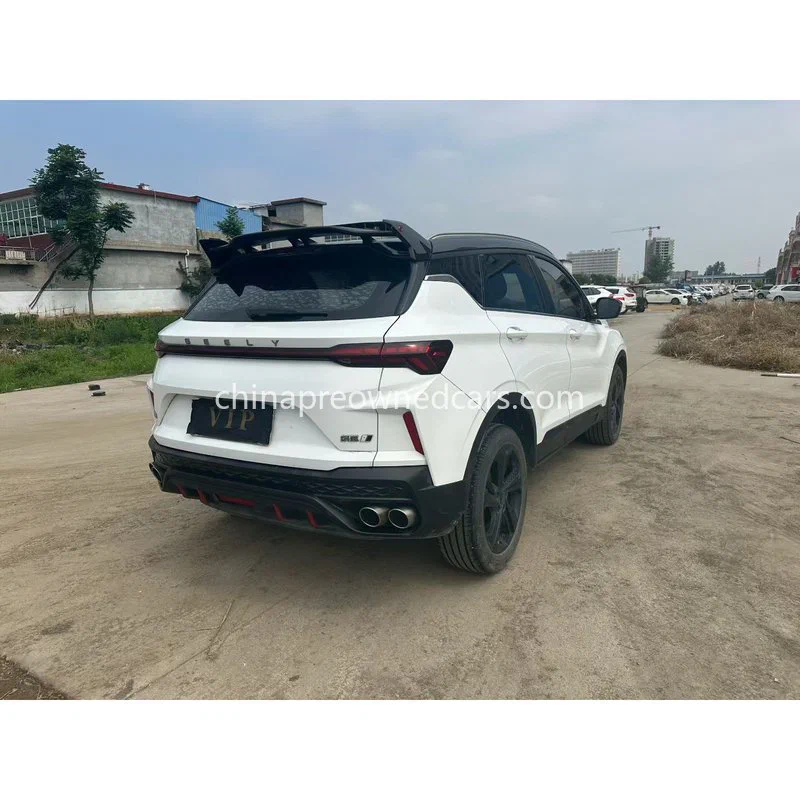
Choosing between the BYD Atto 3 and Geely Coolray for a first vehicle depends mainly on the intended powertrain, local charging access, and the rules governing vehicle imports. The Atto 3 is a fully electric SUV, while the Coolray uses a petrol engine, making their operating requirements and export considerations quite different.
1. Powertrain and everyday operating costs
The main distinction is how each vehicle produces and uses energy. The BYD Atto 3 is a battery-electric SUV with no petrol engine, exhaust system, or conventional fuel consumption. Its driving range depends on battery capacity, vehicle condition, driving speed, climate, and accessory use. For buyers importing into areas with dependable electricity and accessible charging facilities, this can make the Atto 3 a practical option for regular commuting.
The Geely Coolray takes a different approach. It uses a turbocharged petrol engine and an automatic transmission, so it can operate without charging infrastructure. Fuel consumption varies with engine version, traffic, road conditions, and driving habits. Buyers should request the exact engine specification and verify its fuel consumption figures rather than relying on advertised laboratory results. For first-time owners who frequently travel between towns or use roads with limited charging facilities, the Coolray may involve fewer infrastructure adjustments.
The distinction also affects routine maintenance. The Atto 3 does not require engine oil changes, spark plug replacement, or conventional exhaust-system servicing. However, its battery, electric drive components, cooling system, and high-voltage electrical equipment require appropriate diagnostic support. The Coolray has familiar petrol-engine servicing requirements, including oil, filters, ignition components, and transmission maintenance. Neither powertrain is automatically cheaper to maintain in every destination.
2. Export suitability: charging, emissions and vehicle condition
Charging compatibility is an important consideration when exporting a used Atto 3. Buyers should confirm the charging connector fitted to the specific vehicle, its AC and DC charging capabilities, and compatibility with charging equipment available locally. Charging standards and connector availability differ between markets. A vehicle that supports rapid charging in China may still require compatible local infrastructure or an appropriate charging arrangement after arrival.
Battery condition needs particular attention. Request a battery state-of-health assessment, diagnostic records, and information about any previous battery repairs or replacements. A full-charge range estimate alone does not establish battery condition. The inspection should also cover charging performance, warning messages, battery cooling, and visible signs of damage. Battery transport and shipping arrangements must be confirmed with the carrier because electric vehicles can involve additional handling and documentation requirements.
The Coolray avoids these battery-charging questions, but its petrol engine must meet the destination country’s current import and emissions requirements. Emission compatibility cannot be determined from the model name alone. Engine version, production year, applicable test standard, and local regulations all matter. Buyers importing into Ghana, Nigeria, Kenya, Uganda, or Tanzania should confirm the current requirements with the relevant authorities or a licensed clearing agent before committing to a purchase.
Vehicle condition remains important for both models. A pre-shipment inspection should record exterior damage, interior wear, tyre condition, suspension operation, braking performance, dashboard warnings, and mechanical faults. For the Coolray, include an engine cold-start assessment, transmission operation, and checks for oil or coolant leaks. For the Atto 3, include battery diagnostics and an assessment of the electric drive system. VIN verification and available service records can help establish the vehicle’s background, but neither mileage nor history should be accepted without supporting evidence.
3. Parts, servicing and left-hand-drive considerations
Parts availability can influence the long-term ownership cost more than the original purchase price. The Atto 3 requires technicians familiar with BYD electric vehicles and access to suitable diagnostic equipment. Replacement battery components and high-voltage repairs may require specialist support. Before importing, buyers should identify local workshops capable of servicing BYD vehicles and check whether commonly needed parts can be obtained through local distributors or regional supply channels.
The Coolray has conventional petrol-engine servicing requirements, but buyers should still investigate parts availability for its specific engine and transmission version. Filters, brake components, suspension parts, and routine service items should be easier to plan for when suppliers are identified before shipment. The availability of a brand in a country does not necessarily mean every component is locally stocked.
Drive configuration is another practical issue. Most Chinese domestic-market vehicles offered for export are left-hand drive (LHD). Ghana, Nigeria, Kenya, Uganda, and Tanzania have different vehicle-import and road-use requirements, so buyers must verify whether a particular LHD vehicle can be registered and used legally in the intended destination. This check should happen before payment, not after the vehicle reaches port. A vehicle’s technical suitability does not override local registration rules.

For buyers comparing used cars first time buyers should treat servicing access and registration eligibility as purchase criteria rather than secondary details. The Atto 3 is better suited to buyers who can establish reliable charging and EV servicing arrangements. The Coolray may suit those who prefer petrol operation and have access to workshops familiar with conventional engines. Neither option is a universal fit for every importer.
4. Inspection, documentation and shipping decisions
China’s used vehicle export process involves more than selecting a vehicle from an inventory list. The exporter must arrange the applicable export licensing, vehicle inspection, customs declaration, and supporting documentation. Buyers should request the available inspection findings, vehicle identification details, purchase documentation, and a clear breakdown of the export arrangements. Payment terms should specify the agreed vehicle specification, inspection procedure, shipping responsibility, and the point at which ownership or risk transfers.
Shipping usually involves either roll-on/roll-off (RoRo) transport or container loading. RoRo allows the vehicle to be driven onto a vessel, where the carrier handles it as vehicle cargo. Container shipping places the vehicle inside a secured container and may suit buyers who prefer enclosed transport or need to consolidate cargo. Availability, carrier requirements, vehicle dimensions, and destination port arrangements affect the choice. Electric vehicles may also face additional carrier requirements relating to battery condition and transport classification.
Before shipment, buyers should confirm the destination’s current vehicle age restrictions, emissions rules, registration requirements, import duties, and documentation requirements. These rules can change and may differ according to vehicle category and specification. The final shipping documents should be checked against the vehicle’s VIN and purchase records to reduce clearance problems. Allow time for inspection, export processing, vessel scheduling, and destination customs clearance rather than treating the shipping stage as the only part of the delivery process.
FAQ
Q: Is the BYD Atto 3 or Geely Coolray better for a first-time car buyer importing from China?
A: The Atto 3 suits buyers with reliable charging access and qualified EV servicing. The Coolray is more suitable where petrol infrastructure and conventional repair facilities are easier to access.
Q: Can both models be imported into Ghana, Nigeria, Kenya, Uganda, and Tanzania?
A: Import eligibility depends on current vehicle age, emissions, steering configuration, and registration rules in the destination country. Confirm these requirements with local authorities or a licensed clearing agent before purchasing.