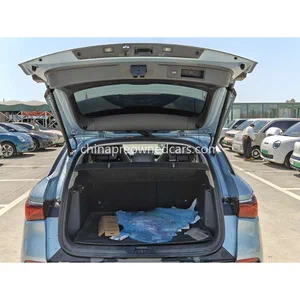
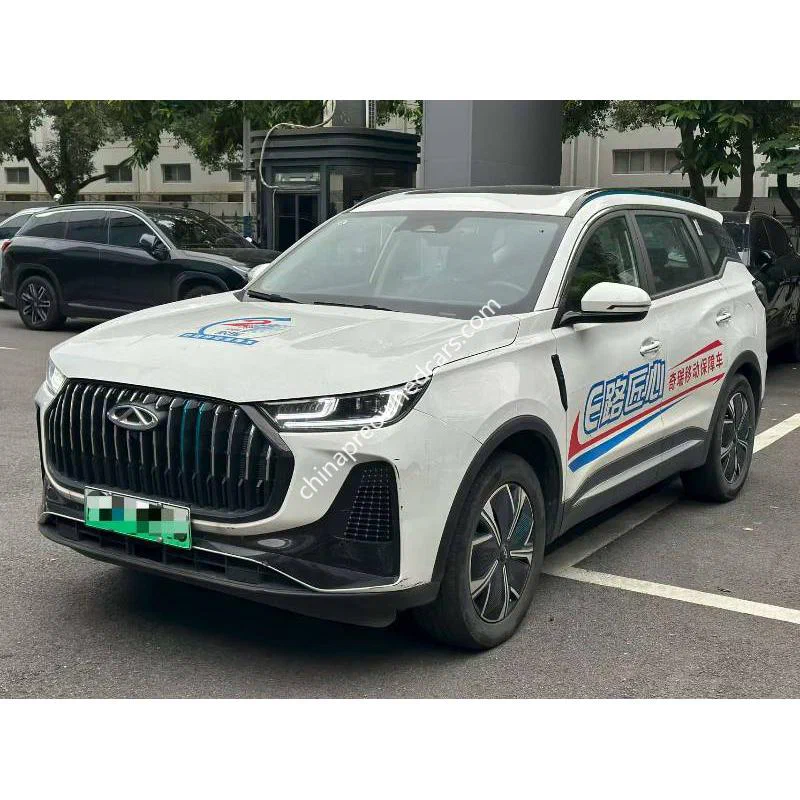
Choosing between the BYD Atto 3 and Chery Tiggo 7 Plus for export depends mainly on the destination’s charging infrastructure, fuel availability, import regulations, and local service capacity. The Atto 3 is a fully electric SUV, while the Tiggo 7 Plus uses a combustion-engine powertrain, so their inspection priorities and operating requirements differ significantly.
The first distinction is the powertrain. The BYD Atto 3 runs entirely on battery power, eliminating petrol consumption and tailpipe emissions during operation. Its suitability depends on access to compatible charging facilities and the buyer’s ability to maintain an electric vehicle. The Chery Tiggo 7 Plus uses a petrol engine, making it a more conventional option where public charging remains limited. Buyers should verify the exact engine and transmission configuration because specifications can vary by production year and market version. Fuel consumption should be assessed using the actual vehicle configuration and available inspection records, rather than relying solely on catalogue figures.
Range and operating costs require different checks. For the Atto 3, advertised driving range does not establish the remaining usable range of a pre-owned unit. Battery state of health, charging history, fault records, and the condition of the charging port should be examined. A diagnostic report should identify battery capacity and any recorded faults. Charging compatibility also matters: confirm the vehicle’s connector type, charging protocol, and onboard charging specifications against facilities in the destination market. For the Tiggo 7 Plus, inspect engine performance, cooling, transmission operation, exhaust condition, and fuel-system records. A road test and diagnostic scan can reveal problems that photographs cannot.
Import compatibility is another deciding factor. Ghana, Nigeria, Kenya, Uganda, and Tanzania each apply their own vehicle age, emissions, roadworthiness, and import requirements. The Tiggo 7 Plus must be checked against the applicable emissions rules for its engine and production year. The Atto 3 has no tailpipe emissions, but that does not automatically exempt it from vehicle inspection, registration, or import procedures. Most vehicles sourced from China’s domestic market are left-hand drive. This is important because destination countries may have restrictions or additional requirements concerning steering position. Buyers should confirm current regulations before committing to either model.

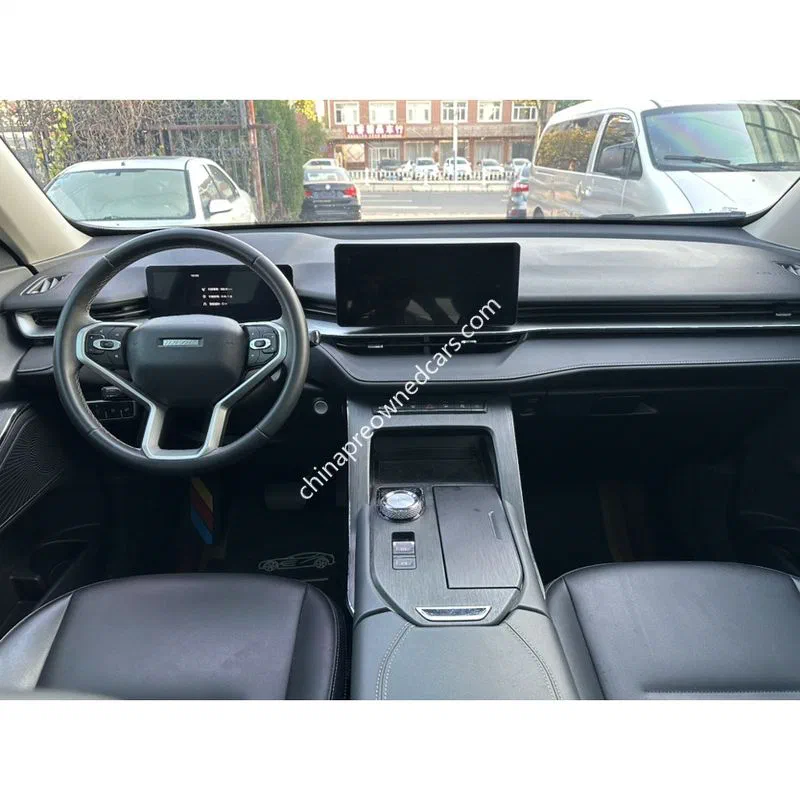
Parts and servicing can influence the purchase more than headline specifications. The Tiggo 7 Plus may be easier to maintain in locations with established petrol-engine repair facilities, but engine-specific parts and electronic components still need checking. The Atto 3 requires technicians familiar with high-voltage systems, battery diagnostics, and electric drivetrains. Buyers should identify local repair support and confirm parts availability before shipment. A pre purchase used car inspection should cover the VIN, service history, accident repairs, structural condition, odometer consistency, warning lights, and model-specific mechanical or electrical systems. Inspection findings should be documented with photographs and diagnostic records.
The export process should begin only after the vehicle specification and condition have been reviewed. The exporter arranges the required export licensing, pre-shipment inspection, customs declaration, and shipping documentation. RoRo shipping is generally suitable for vehicles that can be driven onto and off the vessel, while container shipping offers enclosed transport and may suit buyers requiring additional protection or consolidated cargo arrangements. Used EV shipments also require attention to battery transport documentation and carrier requirements. Before payment, buyers should agree on the vehicle identification details, inspection scope, payment milestones, shipping method, and responsibility for destination charges. Shipping schedules depend on vessel availability, port operations, and customs processing. These checks help prevent a technically suitable vehicle from becoming an unsuitable import.
FAQ
Q: Is the BYD Atto 3 better than the Chery Tiggo 7 Plus for export to Africa?
A: Neither is universally better. The Atto 3 suits buyers with compatible charging access and EV servicing, while the Tiggo 7 Plus may be more practical where petrol infrastructure is more established.
Q: What should buyers check on a used BYD Atto 3 before shipping?
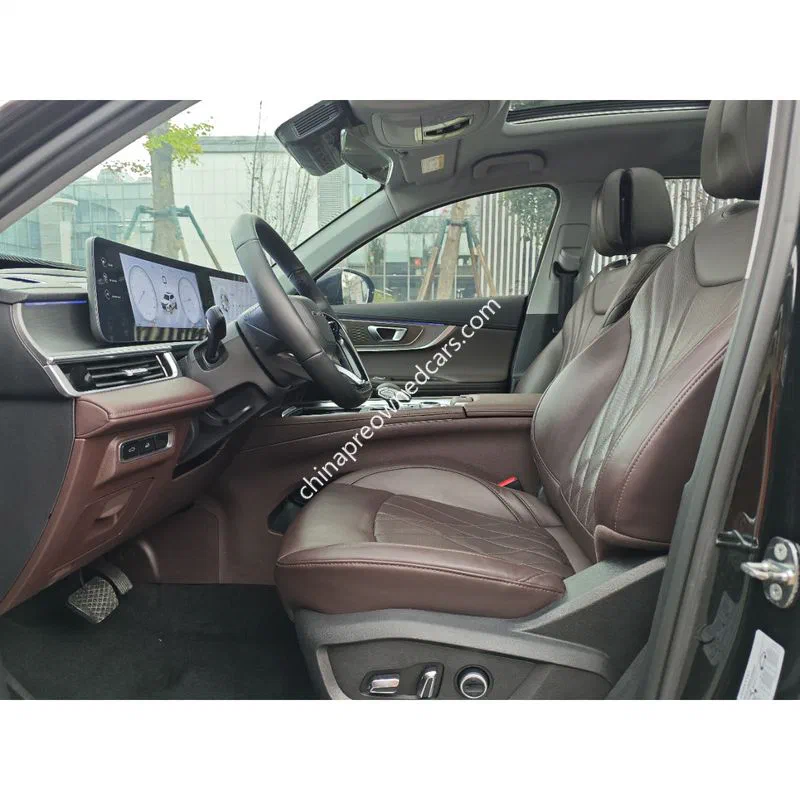
A: Request a battery state-of-health report, diagnostic scan, charging-system inspection, service history, and verification of the VIN and accident records.
Q: Can both models be imported into Ghana, Nigeria, Kenya, Uganda, and Tanzania?
A: Import eligibility depends on each country’s current rules covering vehicle age, emissions, steering position, inspection, and registration. Confirm the applicable requirements with destination-country customs or an authorised import agent before purchase.