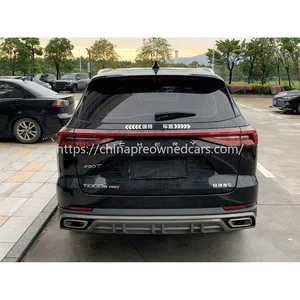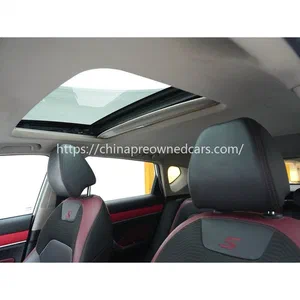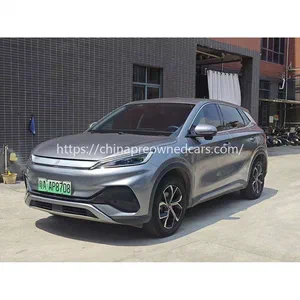
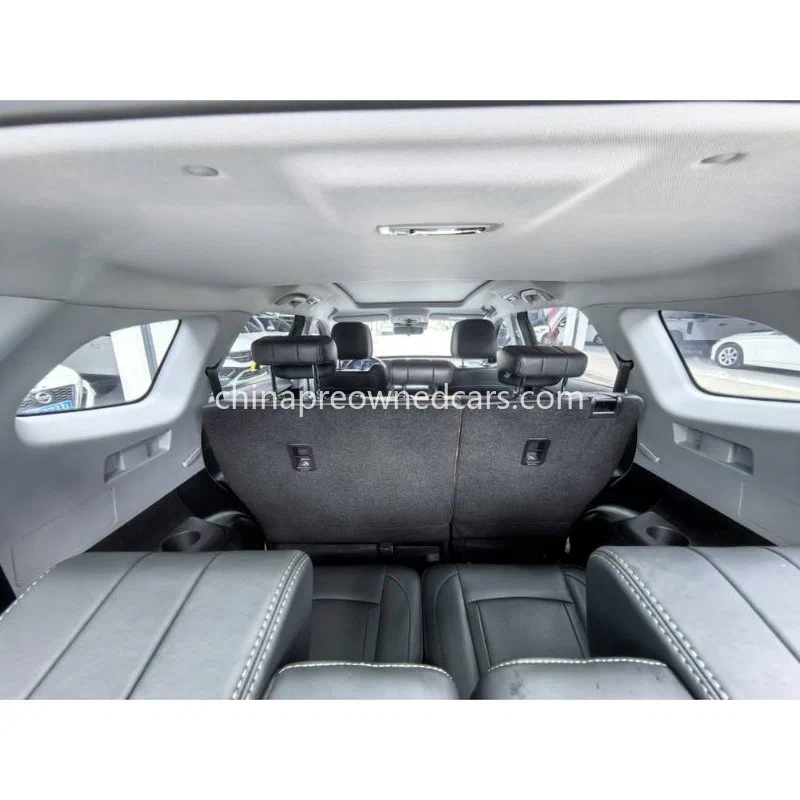
The BYD Atto 3 suits export buyers with dependable charging access and a clear plan for battery support, while the Chery Tiggo 7 Plus is easier to operate where petrol supply and conventional workshops are stronger. The right choice depends less on headline equipment than on powertrain checks, destination rules, drive side, and service arrangements.
Powertrain and operating cost
The BYD Atto 3 uses a battery-electric powertrain, so its running cost depends mainly on electricity access, charging tariffs, traffic, and battery condition. It produces no tailpipe emissions, but that does not automatically guarantee acceptance in every destination market. The Chery Tiggo 7 Plus uses a petrol engine and conventional transmission, making refuelling familiar and less dependent on local charging equipment. Fuel consumption should be assessed from the exact engine, transmission, wheel size, driving pattern, and test records rather than from a general model description.
For a buyer comparing good second hand cars to buy for Ghana, Nigeria, Kenya, Uganda, or Tanzania, daily route planning matters. An Atto 3 may work well for urban use when home, depot, or public charging is available. A Tiggo 7 Plus offers greater flexibility for long intercity routes where charging points are limited or unreliable. Geely Coolray and Haval H6 provide additional petrol SUV alternatives, while the Chery Tiggo 8 Pro may be considered where a larger cabin is required.
Range, charging, and service
An electric SUV needs more than a claimed driving range. The inspection should record battery state of health, usable capacity, charging performance, warning messages, thermal management status, and the condition of the charging port and cables. Range can fall with heat, heavy loads, high speed, air-conditioning use, tyre pressure, and battery ageing. A battery report should be linked to the vehicle identification number and supported by diagnostic data, not just a seller’s verbal estimate.
Charging compatibility also requires confirmation before shipment. Buyers should check the vehicle’s AC and DC charging interfaces, charging voltage, connector type, onboard charger, and whether local equipment supports the relevant standard. Chinese-market vehicles may use GB/T hardware, while destination infrastructure may be built around other systems. An adapter is not always a complete answer; communication protocols, charging power, electrical protection, and after-sales support must also be considered. Combustion vehicles avoid these charging questions but still require checks on the engine, cooling system, transmission, fuel system, and exhaust equipment.
Parts availability can decide the practical winner. The Tiggo 7 Plus generally relies on familiar service operations such as oil, filters, belts or chains, brakes, suspension, and cooling-system maintenance, although parts for a Chinese-market specification must still be confirmed. The Atto 3 has fewer routine engine-service items but depends on electronic diagnostics, battery-related training, high-voltage safety procedures, and compatible replacement components. Before purchase, the importer should obtain a parts list, identify local technicians, and confirm how software faults and warranty claims will be handled. A model with lower energy cost can still become expensive if specialist support is distant.
Export checks and destination rules
Most vehicles sourced from China’s domestic market are left-hand drive. That aligns with many right-hand-traffic operations, but it does not remove the need to confirm local registration and inspection rules. Ghana, Nigeria, Kenya, Uganda, and Tanzania may apply different requirements covering vehicle age, emissions, roadworthiness, steering position, documentation, and import approval. These rules can change and may differ by vehicle category or port. The importer should confirm the current position with the destination authority before committing funds, especially if a market has restrictions affecting electric vehicles or right-hand-drive registration.
Emission compliance should be checked against the exact vehicle specification and its export documents. For the Tiggo 7 Plus, the engine code, emissions equipment, fuel system, and available conformity records may matter at customs or registration. For the Atto 3, tailpipe emissions are not the issue, but battery documentation, electrical safety, and transport handling may receive closer attention. The exporter should verify the VIN, domestic registration history, accident or flood indicators, mileage records, and ownership documents. Condition grading is useful only when supported by photographs, diagnostic results, and an agreed inspection standard.

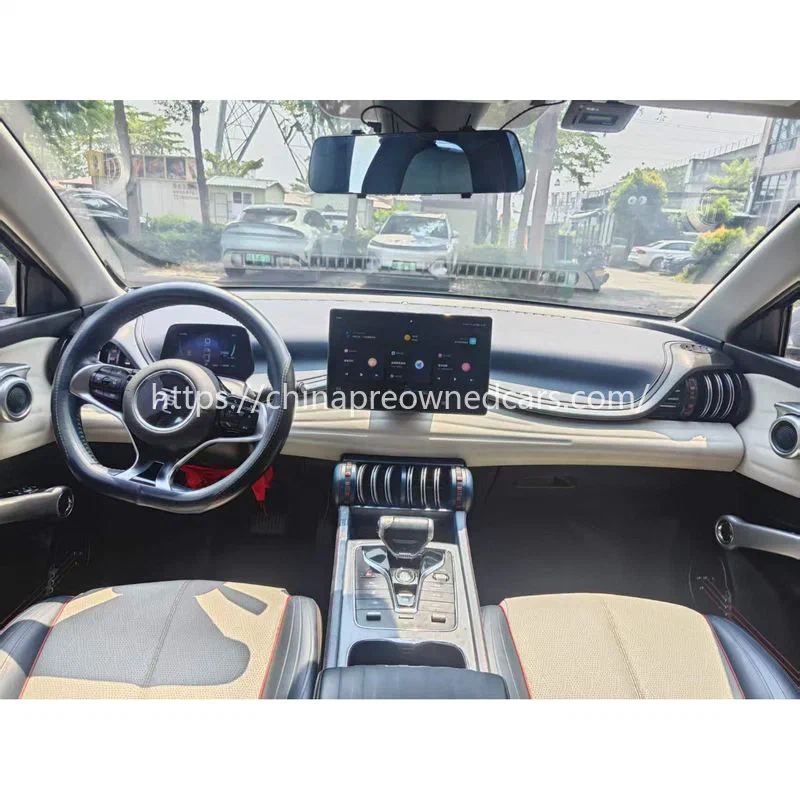
China’s used vehicle export process requires an export licence, customs declaration, and pre-shipment inspection. The commercial file may include the sales contract, invoice, packing or shipping documents, export-related certificates, VIN information, and destination documents requested by the importer or authorities. The precise document set depends on the shipment and destination. RoRo shipping usually suits operable vehicles that can be driven onto the vessel, while container shipping may provide more controlled loading and can suit vehicles shipped with other cargo or requiring additional protection. Freight selection should account for port handling, insurance, battery transport instructions, and local clearance procedures.
Payment terms should match the verification stage. A buyer can request the vehicle identification number, inspection scope, battery report where applicable, underbody photographs, cold-start evidence for petrol vehicles, and a written list of included documents before final payment. The commercial agreement should state the vehicle specification, condition grade, accessories, inspection responsibility, shipping method, and what happens if material discrepancies are found. Shipping lead times are affected by sourcing, inspection, customs processing, vessel schedules, transhipment, and port congestion; a fixed delivery promise is not appropriate before those steps are confirmed. After-sales support should cover technical questions, parts sourcing, and escalation procedures rather than relying on a general warranty statement.
Matching the SUV to the operation
The Atto 3 is the more logical option for a fleet with predictable daily mileage, charging at a depot, and access to technicians familiar with high-voltage vehicles. It can reduce routine powertrain servicing, but battery health and charging compatibility become purchase-critical items. The Tiggo 7 Plus fits mixed routes, independent workshops, and operations where fuel stations are easier to reach than reliable chargers. It carries the ongoing maintenance needs of a petrol vehicle and may face destination emissions checks that vary by market. Neither vehicle should be selected from model name alone. A defensible export decision combines verified condition, local regulation, drive-side acceptance, energy infrastructure, parts planning, and the total cost of keeping the vehicle operational.
FAQ
Q: Is the BYD Atto 3 better than the Chery Tiggo 7 Plus for export?
A: Neither is universally better. Choose the Atto 3 when charging, battery support, and EV acceptance are confirmed; choose the Tiggo 7 Plus when petrol access and conventional servicing better match the destination operation.
Q: What should be checked before importing either SUV?
A: Verify the VIN, ownership and accident history, mileage evidence, condition report, drive side, destination import rules, and shipping documents. For the Atto 3, add battery state of health and charging-standard checks; for the Tiggo 7 Plus, inspect the engine, transmission, emissions equipment, and service history.