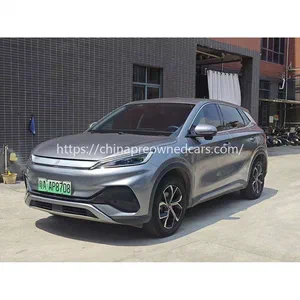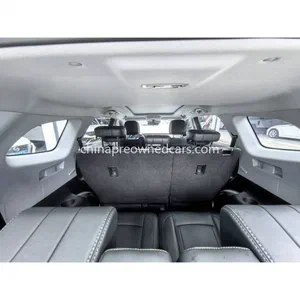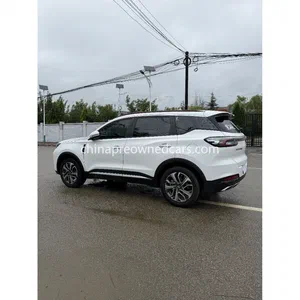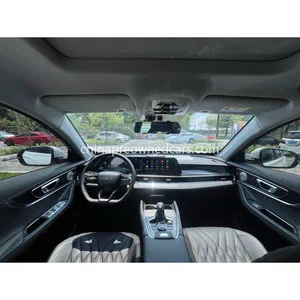

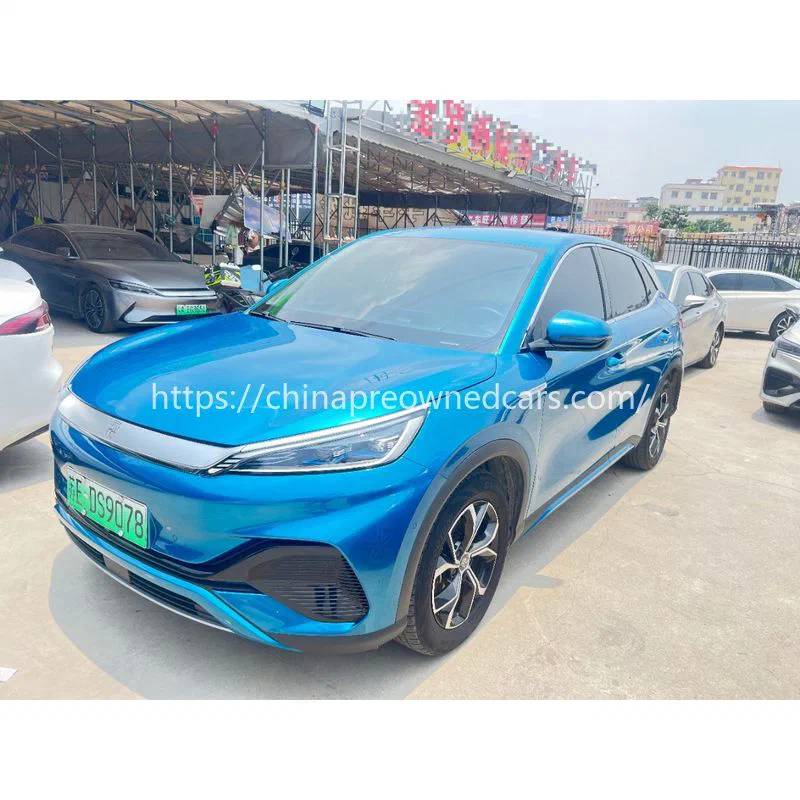
The BYD Atto 3 is a practical used electric SUV for export when the destination has suitable charging access and accepts left-hand-drive vehicles. Buyers should assess battery health, charging equipment, vehicle history, and local import rules before purchase.
What makes the Atto 3 suitable for export?

The Atto 3 uses a single electric motor driving the front wheels. Common versions use a battery of about 60 kWh and deliver roughly 150 kW, while advertised driving range is around 420 km under test conditions. Actual range depends on speed, temperature, traffic, road surface, passenger load, and battery condition. The vehicle produces no tailpipe emissions, but the importing country may still apply rules covering electric vehicles, registration, charging equipment, and vehicle age.
Most Chinese-market Atto 3 units are left-hand drive. This suits many buyers in Ghana, Nigeria, Kenya, Uganda, and Tanzania, but each importer must confirm steering-side rules and registration practice before payment. Ground clearance and the SUV body are useful on uneven urban roads, although the Atto 3 remains a road vehicle rather than a dedicated off-road model. Charging access should be checked in the intended operating area.
A used unit should be graded from physical evidence, not a seller’s general description. A higher condition grade normally indicates better paint, interior, tyres, glass, and mechanical presentation, but the grading system must be defined in writing. The inspection should record the VIN, odometer reading, accident repairs, corrosion, warning lights, panel alignment, air-conditioning operation, suspension noise, and tyre wear. Buyers searching for cheap second hand cars for sale with price should compare the inspection scope as carefully as the listed vehicle cost.
Battery condition needs separate attention. Request a recent battery state-of-health report, charging test, diagnostic scan, and evidence of normal AC and DC charging. The report should identify battery capacity, fault codes, charging history where available, and any damage to the battery casing or high-voltage cables. Confirm whether the vehicle includes the correct charging cable and whether its charging connector and voltage requirements fit local infrastructure. Battery transport declarations may also be required during export.
Export checks before shipment
The exporter must arrange the required export license, customs declaration, and pre-shipment inspection. Documents commonly include the sales contract, commercial invoice, vehicle registration or ownership records, VIN details, inspection documents, and shipping paperwork. The Atto 3 may travel by RoRo when the route and port accept it, or inside a container when protection, consolidation, or route availability makes that option preferable. Transit schedules vary by port and sailing.
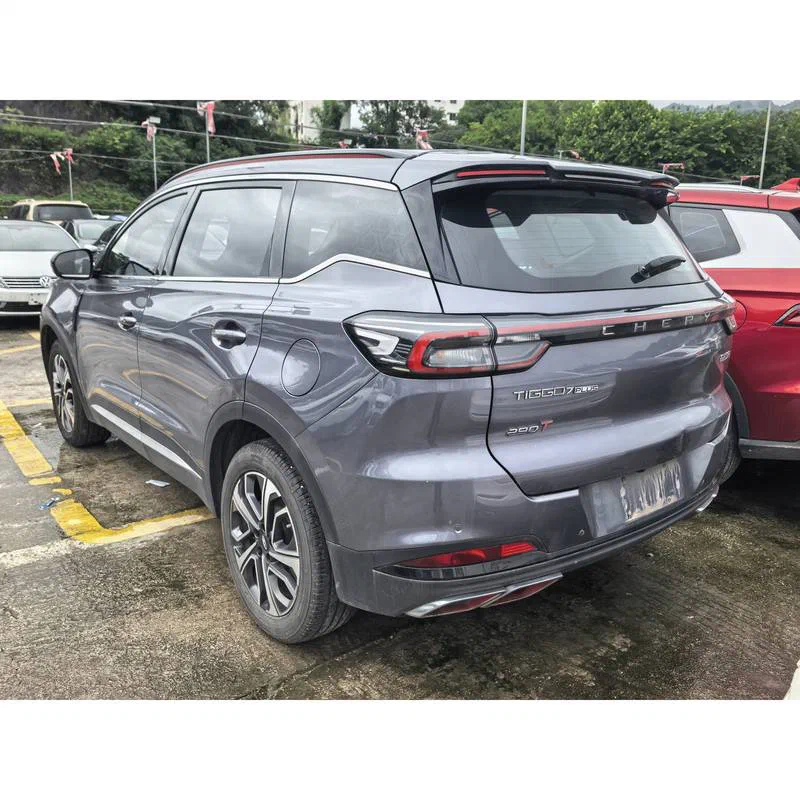
The same checks apply when comparing the BYD Atto 3 with the Chery Tiggo 7 Plus, Chery Tiggo 8 Pro, Geely Coolray, or Haval H6, although those models use petrol or hybrid powertrains depending on specification. Before committing, confirm payment milestones, inspection approval, cancellation terms, port charges, and responsibility for destination customs clearance. Local rules on emissions, import age, roadworthiness, duties, and registration can change, so the importer should obtain current guidance from the relevant authority in Ghana, Nigeria, Kenya, Uganda, or Tanzania.
FAQ
Q: Is the BYD Atto 3 a good used SUV for export? A: It can be suitable where left-hand-drive vehicles are accepted and charging access is adequate. Battery health and local parts or diagnostic support should be confirmed first.
Q: What should be checked before buying a used Atto 3? A: Check the VIN, ownership history, odometer evidence, accident repairs, charging operation, battery state of health, tyres, suspension, and included charging equipment. A documented pre-shipment inspection should support the purchase decision.
Q: Can a BYD Atto 3 be shipped in a container? A: Yes. Electric vehicles can move by container or RoRo, subject to carrier, port, and battery-transport requirements. The shipping plan should specify handling procedures and required documents.