Buying a preowned vehicle from China requires more than checking its advertised mileage and purchase price. Overseas buyers should verify the vehicle’s identity, service history, mechanical condition and export documents before making payment, with additional battery checks for electric and hybrid models. These steps help reduce disputes and avoid problems during customs clearance in the destination country.
What to Check Before Buying a Preowned Car From China
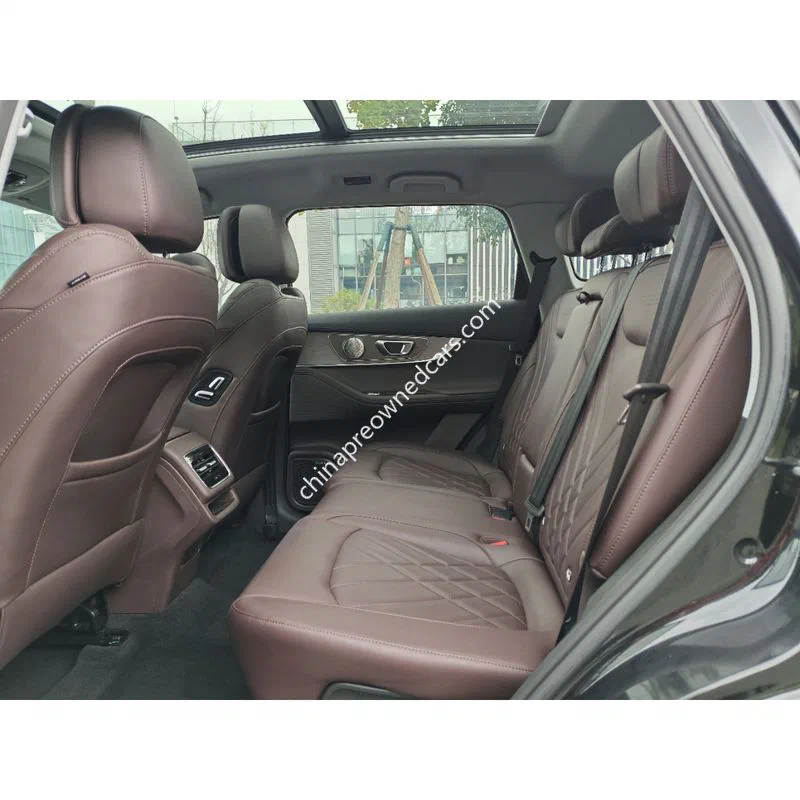
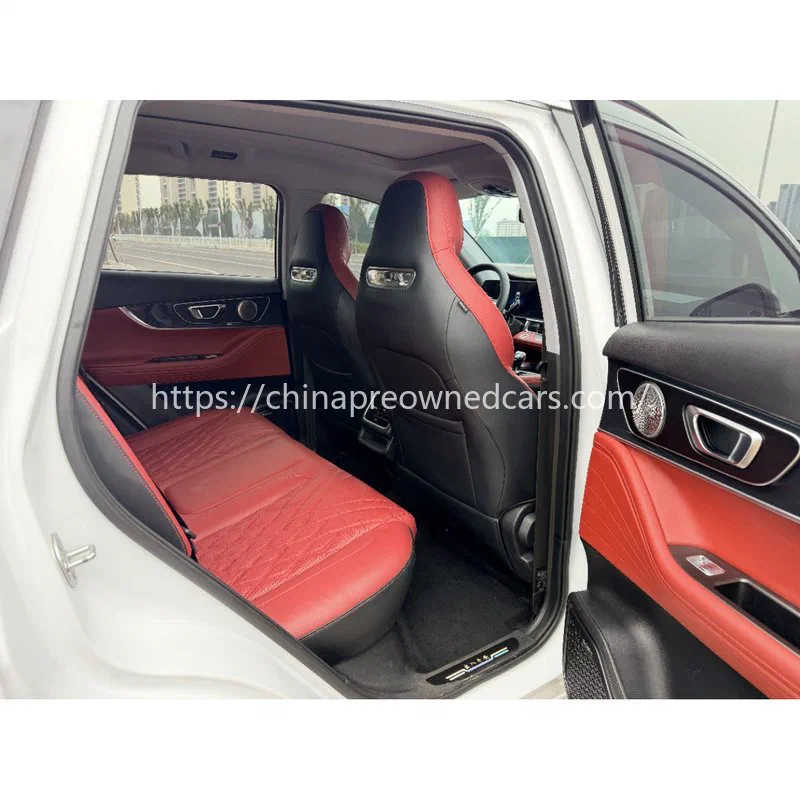
The first step is to establish whether the vehicle’s reported condition matches its actual condition. Mileage should be checked against available service records, maintenance invoices and previous inspection documents. A low odometer reading is not sufficient evidence of limited use. Buyers should also request details of previous accidents, body repairs, repainting and replaced components. Photographs of the exterior, interior, engine compartment and underbody provide useful supporting evidence, but they do not replace an independent inspection.
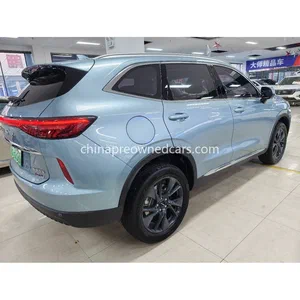
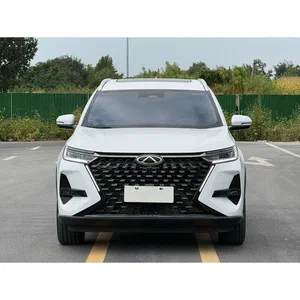
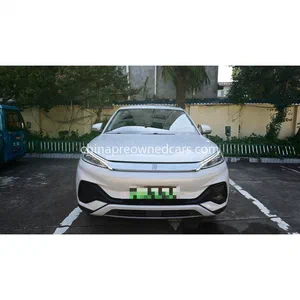
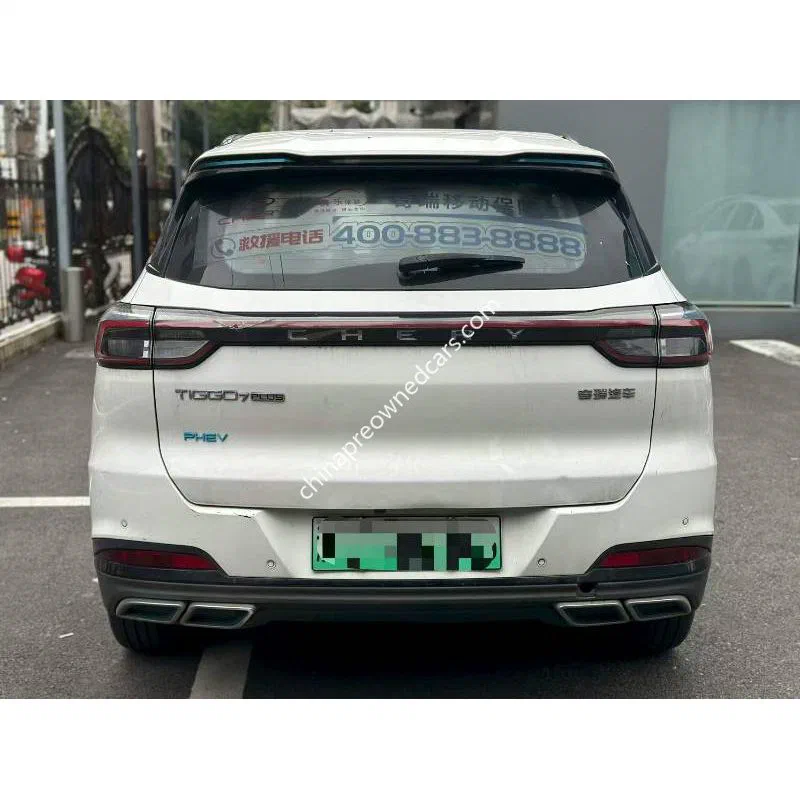
VIN verification is equally important. Ask for the vehicle identification number and compare it with the number shown on the registration documents, inspection records and vehicle itself. Any mismatch should be resolved before payment. For electric vehicles such as the BYD Atto 3, battery state of health (SOH) deserves particular attention. Request a recent battery diagnostic report showing available capacity, charging performance and any recorded battery faults. Hybrid vehicles, including models with different powertrain configurations, also require checks of their battery system and conventional mechanical components. For the Chery Tiggo 7 Plus, Chery Tiggo 8 Pro, Geely Coolray and Haval H6, buyers should examine the engine, transmission, suspension, brakes and electronic systems according to the specific vehicle configuration.
Documents, Exporter Credibility and Payment

Before agreeing to buy preowned cars from China, request a written vehicle specification and condition report. The report should identify the inspection date, mileage, visible damage, mechanical findings and any outstanding issues. Buyers should also establish which export documents the supplier will provide. These normally include the relevant export license, commercial invoice, sales contract, vehicle ownership or registration documentation, customs declaration and customs clearance paperwork. Pre-shipment inspection is part of the export process, but its scope should be confirmed rather than assumed. The buyer should receive copies of available inspection records and shipping documents, including the bill of lading after shipment.
Exporter credibility requires independent checks. Confirm the company’s registered business details, physical business address and experience handling used vehicle exports. Ask for a clear explanation of who is responsible for inspection, customs procedures, freight booking and document delivery. Payment terms should be written into the sales contract, including the deposit, balance payment conditions, vehicle identification details and procedures for resolving discrepancies. Bank transfers to a company account matching the contracting business are generally preferable to unexplained payments to personal accounts. Avoid paying the full balance before the agreed inspection and document checks have been completed. A supplier unwilling to provide VIN details, inspection evidence or a written contract presents a clear commercial risk.
The destination market must also be checked before shipment. Ghana, Nigeria, Kenya, Uganda and Tanzania have their own rules covering vehicle age, emissions, roadworthiness, import duties and documentation. These requirements can change, so buyers should confirm the current rules with local customs authorities or a licensed clearing agent. Most vehicles sourced from China’s domestic market are left-hand drive (LHD). This is a key consideration for right-hand-drive markets, where ordinary LHD vehicles may face restrictions or be unsuitable for registration. Shipping arrangements also matter. RoRo transport is generally used for vehicles driven onto a vessel, while container shipping places vehicles inside a container and may suit buyers requiring additional cargo protection. Common problems include discrepancies between advertised and inspected condition, incomplete paperwork, unexpected destination charges and delays caused by customs requirements. For used EVs, battery transport conditions must also be confirmed with the shipping provider. Agree on the shipping method, estimated transit range, insurance arrangements and after-sales responsibilities before the vehicle leaves China.
FAQ
Q: What documents should I request before buying a used car from China?
A: Request the VIN, vehicle condition report, available service history, sales contract and relevant ownership documents. Confirm that the exporter can provide the required export license, customs paperwork and shipping documents.
Q: How can I check the battery condition of a used electric car?
A: Request a recent battery diagnostic report showing state of health, available capacity and recorded faults. Where possible, have the results independently verified before completing payment.
Q: Can Chinese used cars be exported to Ghana, Nigeria, Kenya, Uganda and Tanzania?
A: Export arrangements can be made for these markets, subject to destination-country import rules. Buyers should confirm vehicle age restrictions, emissions requirements, steering configuration and customs procedures before purchase.