Overseas buyers entering the 2nd hand car market should verify a vehicle’s condition, ownership history and export documents before making payment. For vehicles sourced from China, the checks should also cover VIN authenticity, battery health where applicable, and compliance with the destination country’s import rules.
Vehicle checks before purchase
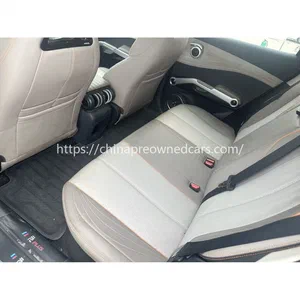
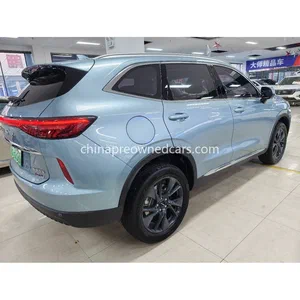
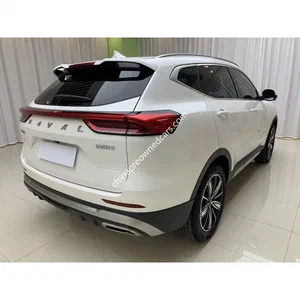
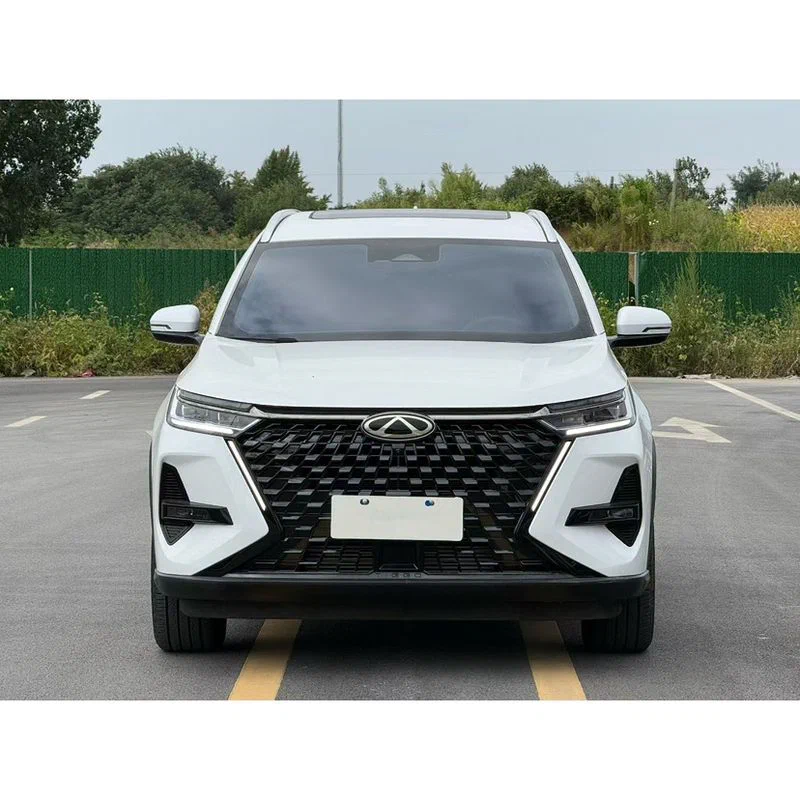
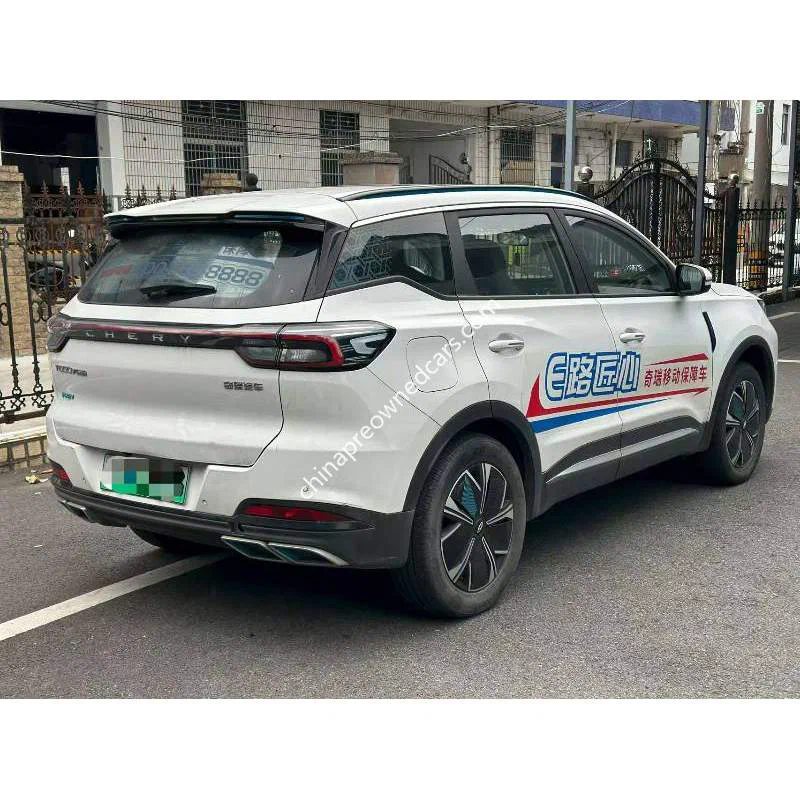
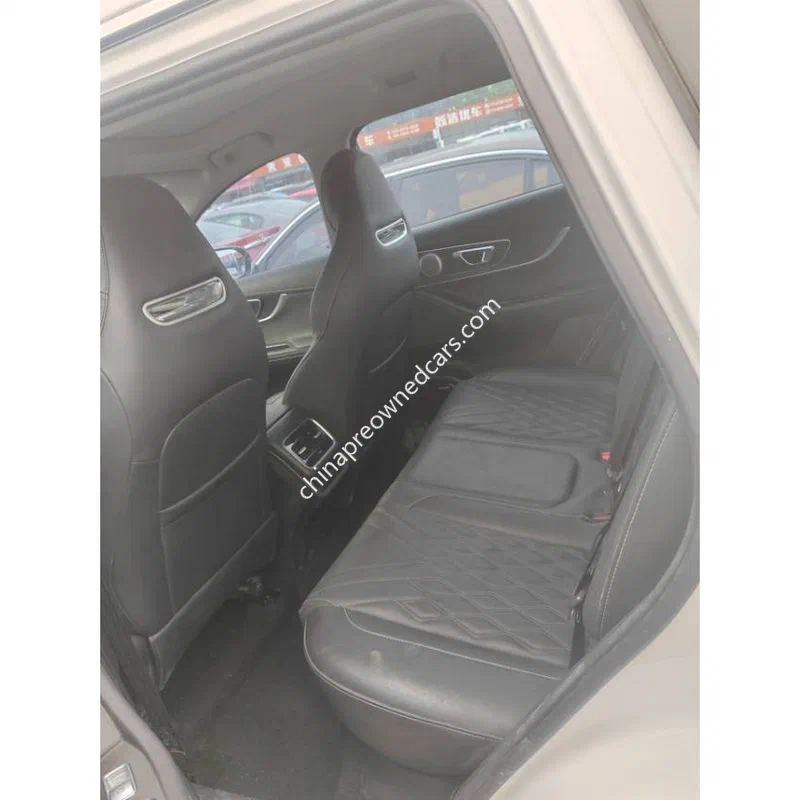
Mileage is a starting point, not proof of condition. Ask for the recorded odometer reading and compare it with available service invoices, maintenance records and previous inspection documents. Look for gaps in the service history, inconsistent mileage entries or signs that the odometer may have been altered. The VIN should match across the vehicle, registration records and export documentation. Buyers should also request an accident history check and photographs of the bodywork, undercarriage, engine compartment and interior. Evidence of repainting, structural repairs or corrosion deserves further investigation.
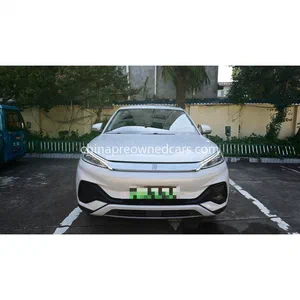
An independent pre-shipment inspection helps establish the vehicle’s condition before it leaves China. The report should cover the engine or electric drive system, transmission, brakes, tyres, suspension, electrical equipment and visible accident damage. For electric vehicles such as the BYD Atto 3, request a battery state-of-health assessment, diagnostic results and charging-system checks. A dashboard range estimate alone does not establish battery capacity. Hybrid models also require checks of the battery system and combustion engine. Buyers should request the inspection date, vehicle VIN and supporting photographs so the report can be matched to the actual vehicle.

Exporter credibility and documentation
Exporter selection requires more than comparing quotations. Check the company’s registered business details, export experience, physical contact information and ability to explain each stage of the transaction. Ask for a written quotation identifying the exact model, specification, VIN, vehicle condition, included services and shipping arrangement. Payment terms should be documented before funds are transferred. Bank transfers against a signed proforma invoice and agreed payment milestones are common arrangements in vehicle export transactions. Avoid sending money to an unrelated personal account without independently verifying the reason. Clarify which party pays inspection, inland transport, freight and destination charges.
The exporter should explain the documentation process and provide copies of relevant records as they become available. These normally include the vehicle purchase or ownership documents, inspection report, export licence, commercial invoice, packing list where applicable, shipping documents and customs clearance paperwork. China’s used vehicle exports require export licensing, customs declaration and pre-shipment inspection. Vehicles can travel by Roll-on/Roll-off (RoRo) vessel or inside a shipping container. RoRo is generally suited to operable vehicles, while containers provide enclosed transport and may suit different cargo arrangements. Confirm loading arrangements, insurance responsibilities, port charges and estimated transit time in writing. Missing paperwork, VIN discrepancies, unclear payment responsibilities and delayed customs processing are common causes of export disputes.
Destination compliance must be checked before purchase, not after shipment. Ghana, Nigeria, Kenya, Uganda and Tanzania have different rules covering vehicle age, emissions, roadworthiness and import procedures. Most Chinese domestic vehicles are left-hand drive, so buyers should confirm that this configuration is accepted before ordering. For electric and hybrid vehicles, also check charging compatibility and local servicing capacity. Import duties and other charges should be confirmed with a local customs agent using the current regulations. A vehicle that passes inspection in China is not automatically eligible for registration in its destination market.
FAQ
Q: What documents should an overseas buyer request before paying for a used car?
A: Request a VIN-linked inspection report, vehicle ownership records, a signed proforma invoice and confirmation of the export licence and customs documentation process. Agree on the shipping documents and payment milestones in writing.
Q: How can buyers reduce the risk of receiving a vehicle in worse condition than expected?
A: Arrange an independent inspection, verify the VIN against all records and request recent photographs and diagnostic results. For electric vehicles, obtain a battery state-of-health assessment before approving shipment.