Buying a low-priced used vehicle for export requires more than comparing the asking price. Buyers should verify the vehicle’s mileage, service history, accident record, identification details and mechanical condition before making payment. For Chinese used vehicle exports to Ghana, Nigeria, Kenya, Uganda and Tanzania, documentation and destination import rules also need to be checked before shipment.
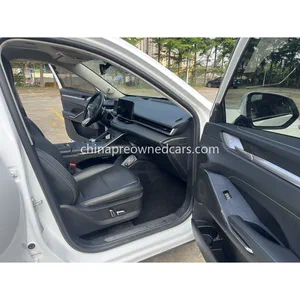
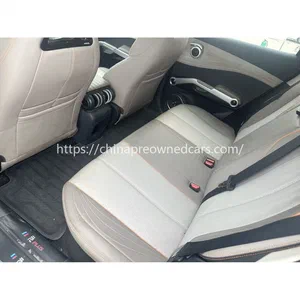
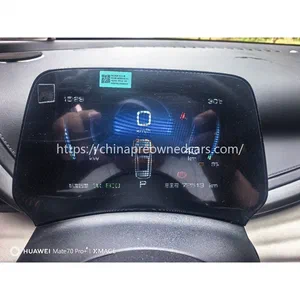
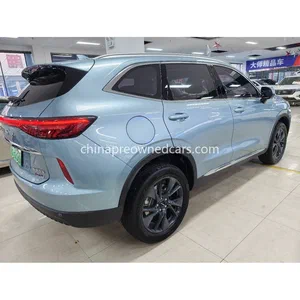
The first step is to establish whether the vehicle’s reported condition matches its actual condition. Request the odometer reading, service records and available maintenance invoices, then compare dates and mileage across the documents. A low mileage figure alone is not proof of good condition. Ask for recent photographs and a detailed pre-shipment inspection report covering the engine, transmission, suspension, brakes, tyres, body panels and interior. Previous accident damage should be disclosed and checked for signs of structural repairs, uneven panel gaps or replacement parts. VIN verification is equally important. The identification number on the vehicle should match the registration and export documents. Buyers searching for used cars sale cheap should be particularly careful with listings that provide limited photographs, incomplete records or unusually low quotations. For the BYD Atto 3, request a battery state-of-health report, charging-system assessment and available battery history. For hybrid models, check both the combustion engine and hybrid system. Battery condition can affect vehicle value and future operating costs.

Documentation should be agreed before payment. The exporter should explain which documents will be supplied, including the vehicle inspection report, export license details, commercial invoice, vehicle ownership or registration records, and customs clearance paperwork. The final document package depends on the export arrangement and destination requirements. Buyers should also confirm that the exporter can arrange the required Chinese customs declaration and pre-shipment inspection. For Ghana, Nigeria, Kenya, Uganda and Tanzania, import rules may differ on vehicle age, emissions, roadworthiness and other eligibility conditions. Most Chinese domestic vehicles are left-hand drive, so buyers must confirm that this configuration is accepted in their destination market. Check current requirements with the relevant customs authority or a licensed local clearing agent before transferring funds. Exporter credibility matters just as much as vehicle condition. Verify the company’s registered business details, physical operating address, export experience and ability to provide consistent documentation. Ask for a written quotation separating vehicle cost, inspection, inland transport, export handling and ocean freight. Payment terms should identify the deposit, balance payment trigger, accepted payment method and refund conditions if inspection reveals a material discrepancy.
Several problems arise when buyers skip these checks. The delivered vehicle may have undisclosed damage, mileage records may be inconsistent, or shipping costs may exclude port handling and destination charges. Delays can also occur when ownership records, customs declarations or import permits are incomplete. Shipping is generally arranged through RoRo or container transport. RoRo is commonly suitable for operational vehicles, while container shipping provides enclosed transport and may suit buyers with additional cargo or specific handling requirements. The choice affects freight costs, loading arrangements and insurance considerations. Before shipment, confirm the port of departure, destination port, estimated transit window, cargo insurance arrangements and responsibility for clearance charges. Obtain copies of the shipping documents and agree on when the remaining payment becomes due. Buyers should retain the inspection report, invoice, payment records and shipping paperwork throughout the transaction. For used electric vehicles, battery transport requirements also need to be addressed separately. Written after-sales arrangements should clarify whether the exporter can assist with missing documents, shipping claims or technical enquiries after arrival. A clear agreement reduces disputes when the vehicle reaches its destination.
FAQ
Q: What should buyers check before purchasing a cheap used car from China?
A: Verify mileage, maintenance records, accident history, VIN consistency and the latest inspection report. For electric and hybrid vehicles, request battery health and system condition information.
Q: What documents should a Chinese used car exporter provide?
A: Buyers should request an inspection report, export license details, commercial invoice, ownership or registration records, customs clearance documents and shipping paperwork.
Q: Is RoRo or container shipping better for used car exports?
A: RoRo is generally suitable for operational vehicles, while containers offer enclosed transport and different loading options. The best choice depends on vehicle condition, cargo arrangements, insurance and destination requirements.