There is no single best place to buy a used car for import, and anyone claiming their own source is universally correct is selling rather than advising.
The right answer is determined first by geography, then by budget, and only then by preference.
The question that decides it before any other
Which side of the road does your country drive on?
Ghana, Nigeria, Côte d’Ivoire and Senegal drive on the right and need left-hand-drive vehicles. Kenya, Tanzania, Uganda, South Africa, Zambia, Zimbabwe, Botswana, Namibia and Mozambique drive on the left and need right-hand drive.
That single fact eliminates most sources for most buyers:
Japan is the mature RHD source. Enormous stock, established inspection standards, well-developed shipping into Mombasa and Durban. If you are in an RHD market, this is your answer and we will tell you so rather than sell you something unsuitable.
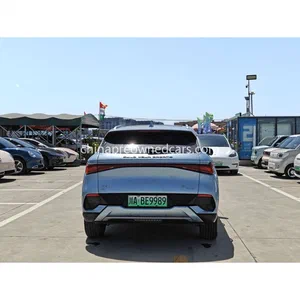
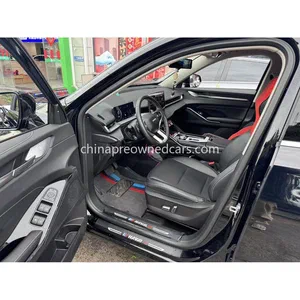
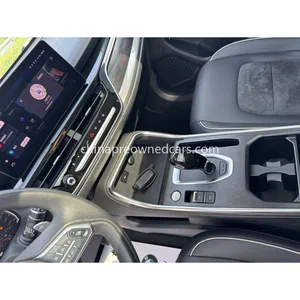
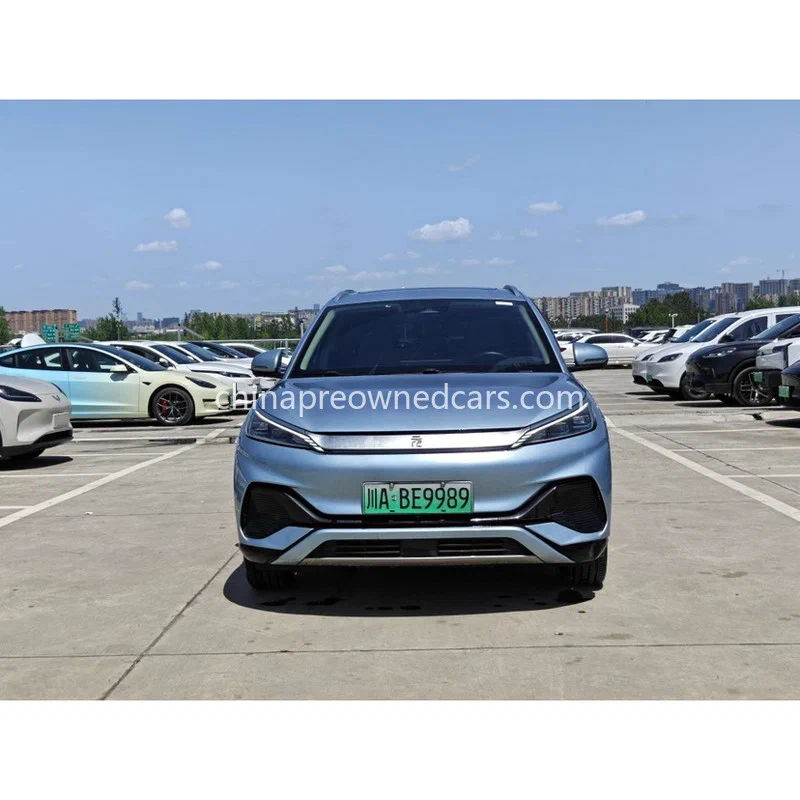
China builds left-hand drive, because China drives on the right. Its entire domestic used fleet is LHD by definition, which makes it directly usable in West Africa without modification.
Conversion is not a workaround. A proper RHD conversion runs $3,000–5,000, modifies the dashboard, steering column, pedal box, wiring and often the braking layout, changes airbag deployment geometry the manufacturer engineered around, and destroys resale value. Ghana takes an even harder line: right-hand steering vehicles are not permitted, with a dispensation available only from the Minister of Trade, and even then Customs requires the vehicle to be dismantled pending a left-hand refit.
For LHD markets, the real comparison
Europe. Older stock at low prices, familiar badges, established mechanic knowledge. Weaknesses: large engines that sit in higher duty bands, ages that attract penalties, and — from 1 October 2026 — a shrinking runway against Ghana’s 15-year import limit.
The Gulf. Dubai functions as a genuine hub, and re-exports from there reach Africa in volume. A useful route, with the caveat that a car passing through more hands has more history to verify.
North America. Large market, LHD, but freight to West Africa is longer and salvage-title stock circulates more freely than buyers expect.
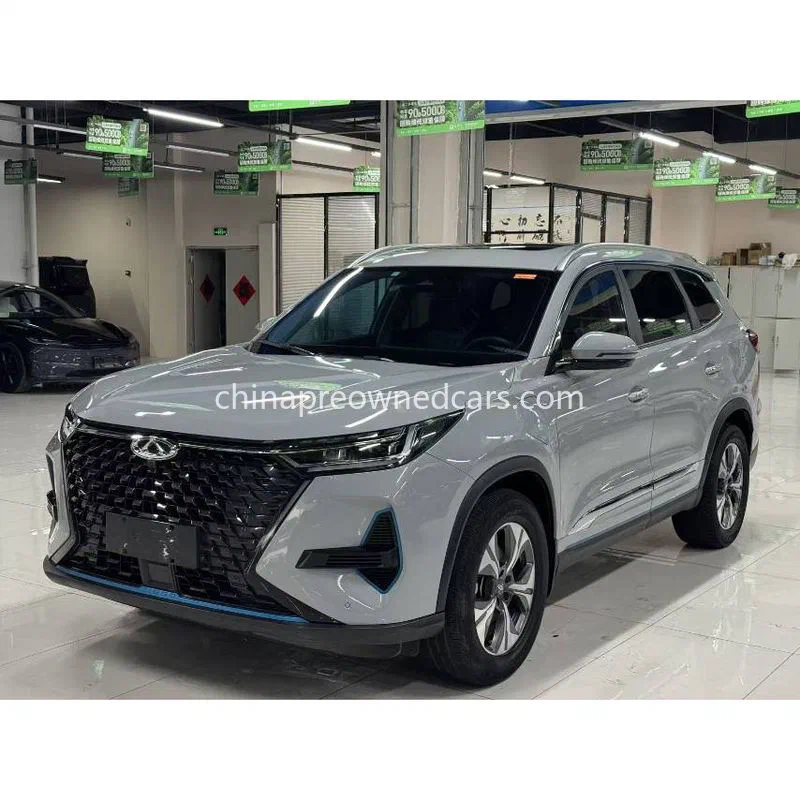
China. Newer stock at competitive prices, LHD by default, engines that sit in favourable duty bands. Weaknesses to state plainly: service networks in West Africa are real but thinner than Toyota’s, and parts for unusual failures may need ordering.
Why the rules are currently tilting toward Chinese stock
Not an opinion — two regulatory changes moving the same way.
Ghana, from 1 October 2026. Used vehicles over fifteen years old prohibited, along with flood, fire, structurally damaged and spare-parts-assembled vehicles. Chinese export stock is typically two to five years old, so it clears the age line with more than a decade to spare. The old European stock that has historically filled the low end does not.
Nigeria, 2026 Fiscal Policy Measures. A Green Tax Surcharge on vehicles of 2000cc and above. Chinese 1.5T and 1.6T SUVs sit below it. The 3.0-litre diesels they compete with do not.
Neither rule mentions China. Both happen to favour the profile Chinese supply produces.
The volumes, for context
Ghana’s passenger car imports from China reached roughly $31.7 million across about 2,941 units in 2024, against $5.9 million across 860 units in 2023 on the same reported basis. Nigeria imported about $43.6 million across 1,907 units from China in 2024.
Against Ghana’s total passenger car imports of roughly $550 million from all sources in 2023, China’s share remains modest. The direction of travel is the point rather than the current share.
What we tell people we cannot help
We serve two LHD markets, Ghana and Nigeria, and we know their duty regimes, ports, documentation and model demand properly. If you are in Nairobi or Dar es Salaam, buy from Japan — we will say that on the first call rather than the third, because a referral is worth more to us than a bad order.
Two markets known well beats twelve markets claimed.
Common questions
Q: Where is the best place to buy a used car for import to Africa? A: Japan for right-hand-drive markets. China for left-hand-drive West Africa, on age profile, engine size and price. Geography decides before anything else.
Q: Can a right-hand-drive car be converted? A: Technically yes, practically no. It costs $3,000–5,000, compromises safety systems and destroys resale value. Ghana does not permit RHD vehicles other than by ministerial dispensation.
Q: Is Chinese stock cheaper than European? A: At similar landed cost the Chinese car is usually far newer with lower mileage. It also sits in lower duty bands and under Nigeria’s 2026 engine-capacity threshold.
Q: What is the honest weakness of buying from China? A: Service network depth in West Africa. It is improving and it is thinner than Toyota’s. Buyers should hear that before they buy.