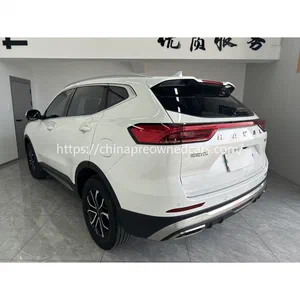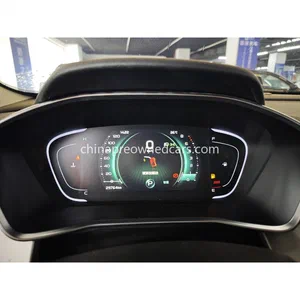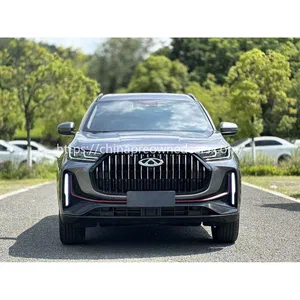
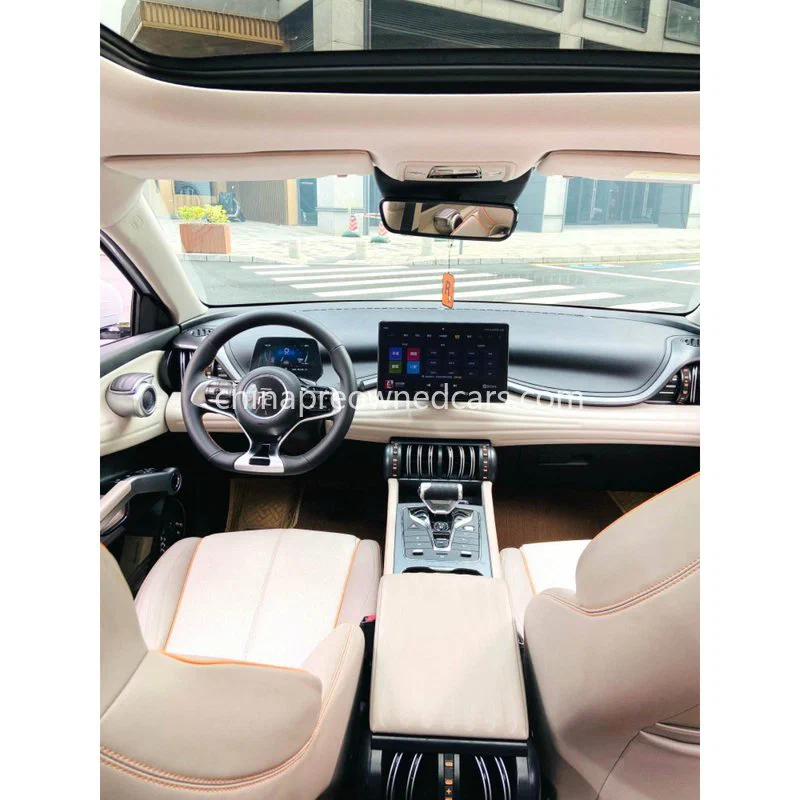
The best place to buy a certified pre-owned car for export from China is a trusted used-car supplier with factory-level inspection, transparent vehicle history, and export experience to African markets. For Ghana, Nigeria, and North African importers, the right supplier should help control purchase price, shipping costs, customs risks, and final landed cost.
Choosing the right certified pre-owned supplier in China
A certified pre-owned vehicle source should provide more than attractive pricing. Dealers and fleet buyers need suppliers that verify ownership records, accident history, mileage accuracy, mechanical condition, and export eligibility before shipment. A professional exporter should also confirm that every vehicle is left-hand drive (LHD), matching requirements in most target markets across West and North Africa.
Key points to check before purchasing include:
- Full vehicle inspection report with photos and videos
- Verified mileage and service history
- Confirmation of LHD configuration
- Clear export documentation
- Reliable communication on repairs, replacements, or preparation work
Buying directly from an experienced Chinese exporter can reduce unnecessary middlemen costs and provide access to popular Chinese brands with competitive specifications, including SUVs and fuel-efficient vehicles suited to African road conditions.
Understanding landed cost before placing an order
The cheapest vehicle price is not always the best deal. Importers should calculate the full landed cost, including the purchase price, inland transport in China, export fees, freight, insurance, customs charges, import duty, port handling, and local clearance expenses.
For buyers in Ghana and Nigeria, shipping method selection can significantly affect profitability. Roll-on/roll-off (RoRo) shipping is often suitable for standard vehicles, while container shipping may provide additional protection for higher-value units or multiple-car shipments. The final cost should be evaluated against expected resale value and local market demand.
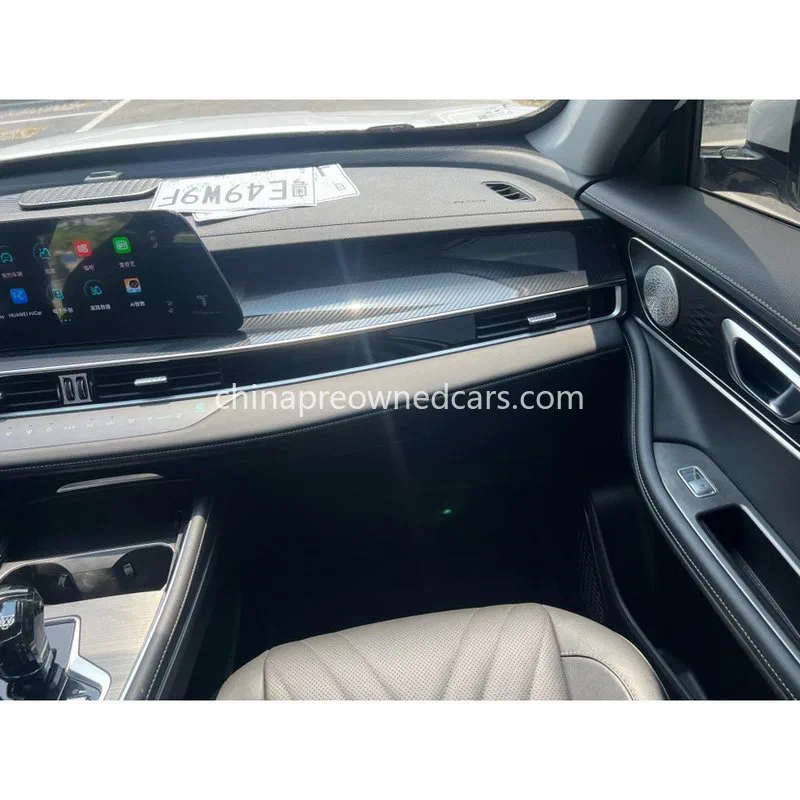
A reliable supplier should provide clear trade terms such as FOB or CIF pricing, allowing buyers to compare offers accurately and avoid unexpected expenses after arrival.
Why inspection and vehicle condition matter
Certified pre-owned cars should be selected based on condition, not only age or price. African import markets require vehicles that can handle long distances, varied road surfaces, and different climate conditions. SUVs with good ground clearance, efficient engines, and accessible spare parts often perform well among private buyers and commercial fleets.
Before payment, importers should request detailed inspection results covering the engine, transmission, suspension, electronics, tires, interior condition, and battery health for electric or hybrid models. This reduces the risk of receiving vehicles that require expensive repairs after customs clearance.
Working with a supplier that understands African markets also improves after-sales support, spare parts planning, and long-term customer satisfaction.
Building a reliable import partnership
The best certified pre-owned car supplier is one that supports the entire procurement process, from vehicle selection to shipping documents and delivery preparation. Dealers and fleet companies should prioritize exporters with consistent quality control, clear contracts, and experience handling international vehicle shipments.
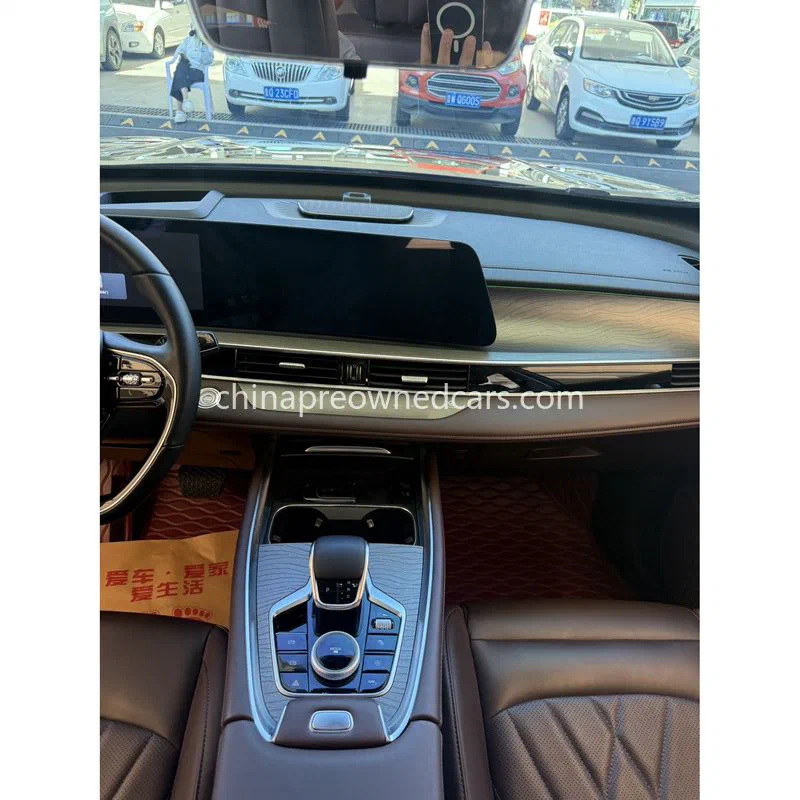
A strong sourcing partner helps buyers achieve predictable costs, reduce import risks, and build a sustainable used-car business in Ghana, Nigeria, and North Africa.
FAQ
Q: What should I check before buying a certified pre-owned car from China? A: Check the inspection report, vehicle history, mileage, service records, LHD configuration, and export documents before making payment.
Q: Is FOB or CIF better for importing used cars from China? A: FOB gives buyers more control over shipping arrangements, while CIF can simplify logistics by including freight and insurance in the supplier’s quotation.
Q: How can importers reduce landed costs? A: Compare total costs including vehicle price, freight, duty, customs fees, and clearance expenses instead of focusing only on the purchase price.