Battery health considerations differ significantly between hybrid SUVs and fully electric models, especially when selecting vehicles for export markets. This article outlines key factors, including powertrain design, emission compatibility, and charging requirements, to help buyers make informed choices.
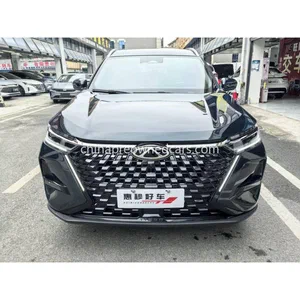
Hybrid SUVs, such as the Chery Tiggo 7 Plus, combine an internal combustion engine with an electric motor, offering flexibility in markets with limited charging infrastructure. These vehicles often achieve better fuel efficiency than conventional gasoline models, making them practical for regions where fuel costs are a concern. However, their batteries are smaller and primarily assist the engine rather than providing full electric range. Buyers should assess whether the reduced reliance on charging stations outweighs the benefits of full-electric models.
Fully electric SUVs, like the BYD Atto 3, rely entirely on battery power and produce zero emissions during operation. This makes them suitable for markets with strict emission standards or growing environmental regulations. The trade-off lies in the availability of charging infrastructure. Exporters should verify compatibility with destination charging standards, as Chinese EVs typically support Type 2 or CCS connectors. Additionally, battery health checks are critical for used electric vehicles, as battery degradation affects range and overall performance.

When considering emission compatibility, hybrid SUVs meet the standards of most destination markets due to their internal combustion components. Fully electric vehicles bypass traditional emission regulations but introduce new considerations, such as battery transport compliance. Buyers exporting to countries like Kenya or Ghana should confirm current import rules, including age limits and roadworthiness inspections, as these vary widely.
Parts and maintenance availability is another deciding factor. Hybrid SUVs often share components with gasoline models, making replacement parts easier to source in regions with established automotive markets. Fully electric SUVs require specialized parts and services for battery and electric motor systems, which may pose challenges in areas with less developed EV infrastructure. Buyers should evaluate the long-term support ecosystem for the vehicle type chosen.
Drive-side compatibility is also a practical concern. Most Chinese vehicles are left-hand drive, aligning with the roads in Ghana, Nigeria, and Kenya. However, buyers exporting to countries with significant right-hand-drive requirements must ensure sourcing of appropriate models, as conversion costs may outweigh the benefits. Pre-shipment inspections and customs clearance are essential steps to verify these specifications before shipping.
FAQ
Q: What should I check in a used electric car battery health assessment?
A: Focus on state-of-health metrics, charging cycles, and estimated range. Request inspection reports or diagnostic data from the exporter.
Q: Are hybrid SUVs better for African markets than fully electric models?
A: Hybrids offer flexibility due to limited charging infrastructure, but EVs are ideal for regions with stricter emission standards and growing charging networks.