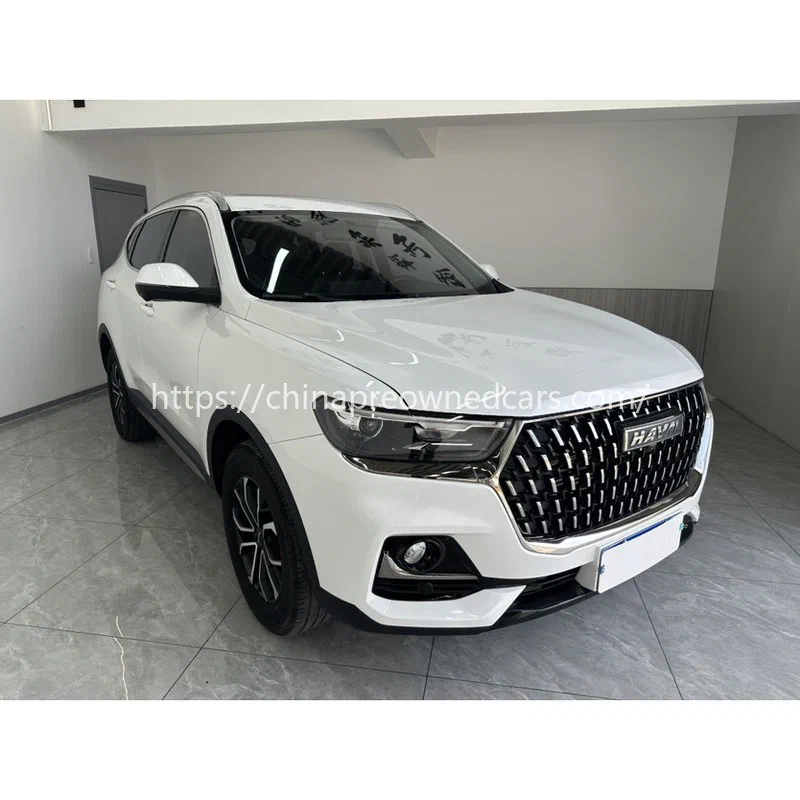
Used cars with low mileage are often a better choice for overseas buyers, but the odometer reading alone does not establish a vehicle’s condition or value. For importers buying from China, the better purchase is a car with verifiable mileage, documented maintenance, sound mechanical condition, and specifications that meet the destination market’s rules.
Lower mileage can mean less wear on components such as suspension joints, wheel bearings, seats, and interior controls. It may also indicate that an engine or transmission has completed fewer operating cycles, although driving conditions matter. A vehicle used mainly on smooth roads can age differently from one exposed to heavy traffic, frequent short trips, poor road surfaces, or prolonged idling. For buyers in Ghana, Nigeria, Kenya, Uganda, and Tanzania, the distance recorded on the odometer is useful evidence, not a complete measure of remaining service life. The purchase decision should consider how the car was driven, where it was maintained, and whether its condition matches its recorded history. A low reading is most valuable when supported by service records and inspection findings.

Mileage also needs to be considered alongside vehicle age. A relatively recent car with moderate mileage and consistent maintenance may be a better purchase than an older car that has travelled very little but spent long periods unused. Infrequent use can allow the 12-volt battery to deteriorate, tyres to age, seals to dry out, and brake components to corrode. Short journeys may also prevent a combustion engine from reaching its normal operating temperature regularly. For hybrid SUVs, the condition of the petrol engine, hybrid system, cooling components, and traction battery deserves separate attention. Buyers considering the Chery Tiggo 7 Plus, Chery Tiggo 8 Pro, Geely Coolray, or Haval H6 should compare the actual specification and powertrain of each vehicle rather than assume that similar mileage means similar mechanical condition. Maintenance history, warning lights, diagnostic results, and evidence of previous repairs provide context that the odometer cannot supply.
For electric SUVs, mileage is an even less complete indicator of battery condition. The BYD Atto 3 may have travelled relatively few kilometres while its battery has still experienced ageing from time, temperature exposure, charging habits, and storage conditions. Conversely, a higher-mileage electric vehicle may retain useful battery capacity if it has been operated and maintained appropriately. Buyers should request a battery state-of-health assessment where available, together with diagnostic information on battery faults, charging performance, and relevant thermal-management systems. The assessment method and test conditions should be recorded so that results can be compared fairly. Charging equipment compatibility also matters: confirm the vehicle’s charging connector, supported charging standards, and suitability for the intended operating environment. In markets where public charging remains limited in some areas, the buyer should assess access to dependable charging and the practicality of the vehicle’s expected daily routes. Hybrid vehicles require their own checks because low odometer readings do not establish the condition of either the combustion or electrical powertrain.
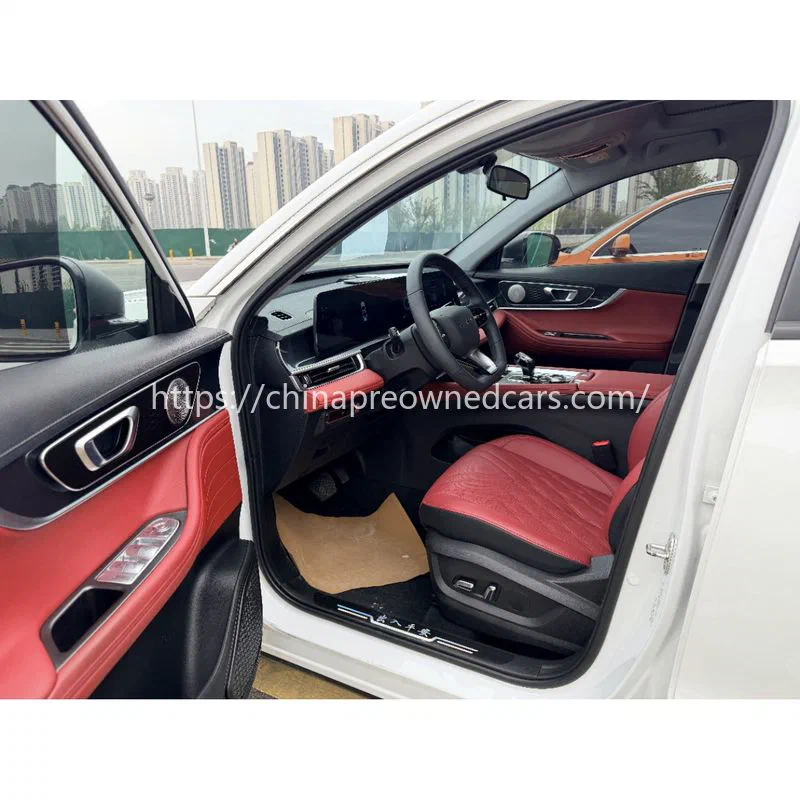
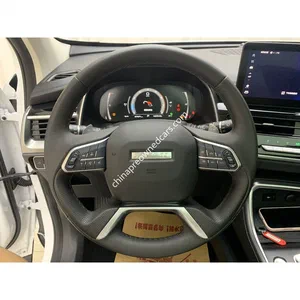
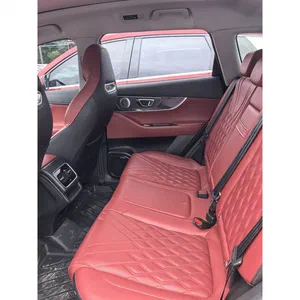
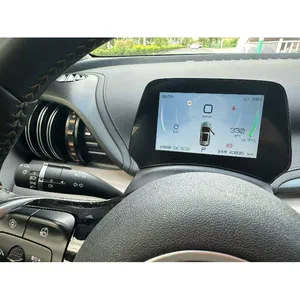
Before purchase, an overseas buyer should ask for the vehicle identification number (VIN), odometer photographs, available maintenance records, and a detailed inspection report. The inspection should cover the engine or electric drive system, transmission where fitted, suspension, steering, braking, tyres, body panels, underbody, and electronic systems. A diagnostic scan can reveal stored faults that are not visible during a short test drive. The inspector should compare wear on the steering wheel, pedals, seats, and controls with the claimed mileage, while checking for signs of odometer tampering or inconsistent records. These clues are not proof by themselves, but unexplained discrepancies warrant further investigation. Buyers should also establish whether the vehicle has been involved in a collision, suffered water damage, or undergone major component replacement, using available records and physical inspection. A condition grade is useful only when the grading criteria and supporting evidence are clear. Independent pre-shipment inspection can help confirm the vehicle’s condition before export, but no inspection eliminates every risk or guarantees future performance.
The final decision must account for export suitability and the total cost of getting the vehicle into service. China’s used vehicle export process involves the required export licensing, customs declaration, documentation, and pre-shipment inspection. Shipping may be arranged by roll-on/roll-off (RoRo) vessel or container, depending on the vehicle, route, carrier availability, and buyer’s requirements. Before payment, the parties should clarify the vehicle specification, inspection scope, payment milestones, shipping arrangements, insurance responsibilities, and documents to be supplied. Buyers in Ghana, Nigeria, Kenya, Uganda, and Tanzania must confirm current import rules with the relevant authorities or a qualified local clearing agent. Requirements can vary by country and may cover vehicle age, emissions, roadworthiness, taxes, and permitted steering configuration. Most vehicles sourced from China are left-hand drive, so steering position must be checked against the destination’s current regulations before a purchase is committed. A low-mileage vehicle that cannot be imported legally, serviced locally, or operated economically is not a sound trade purchase. Comparing landed cost, parts availability, technical support, and the likely resale market provides a more useful basis for selection than mileage alone.
FAQ
Q: What mileage is considered good for a used car imported from China?
A: There is no single mileage threshold that suits every model and age group. Compare the reading with the vehicle’s age, maintenance records, inspection results, and intended use.
Q: Are used cars with low mileage always more reliable?
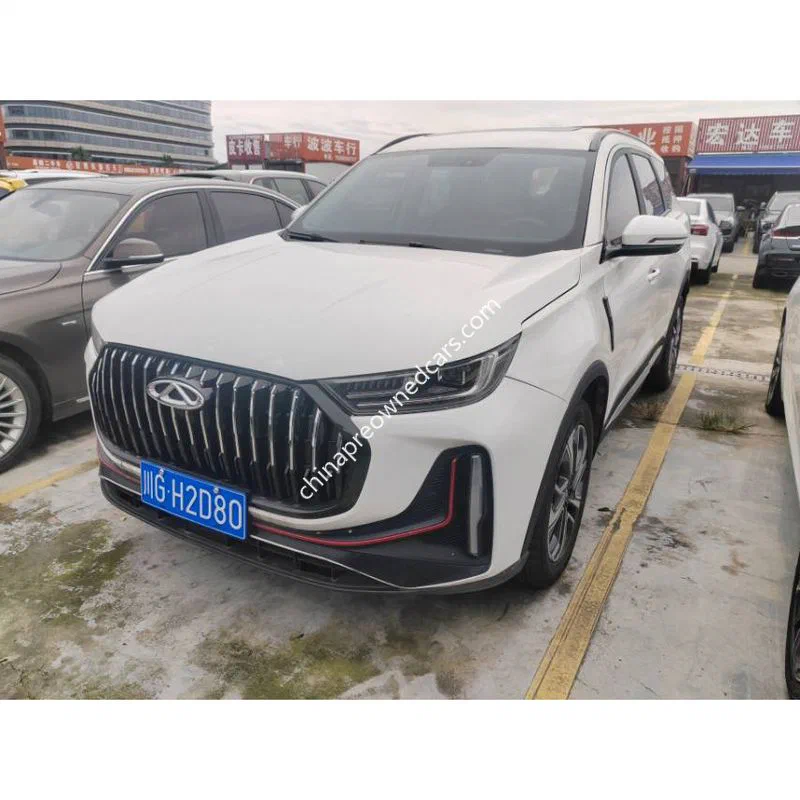
A: No. Low mileage does not rule out poor maintenance, prolonged storage, accident damage, or battery deterioration in electric and hybrid vehicles. Verified history and condition matter more than the odometer alone.
Q: What should overseas buyers check before shipping a low-mileage vehicle?
A: Verify the VIN, mileage evidence, maintenance history, mechanical or battery condition, inspection report, and export documents. Confirm the destination’s current import requirements and agree on shipping and payment terms before proceeding.