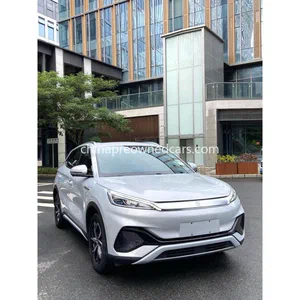
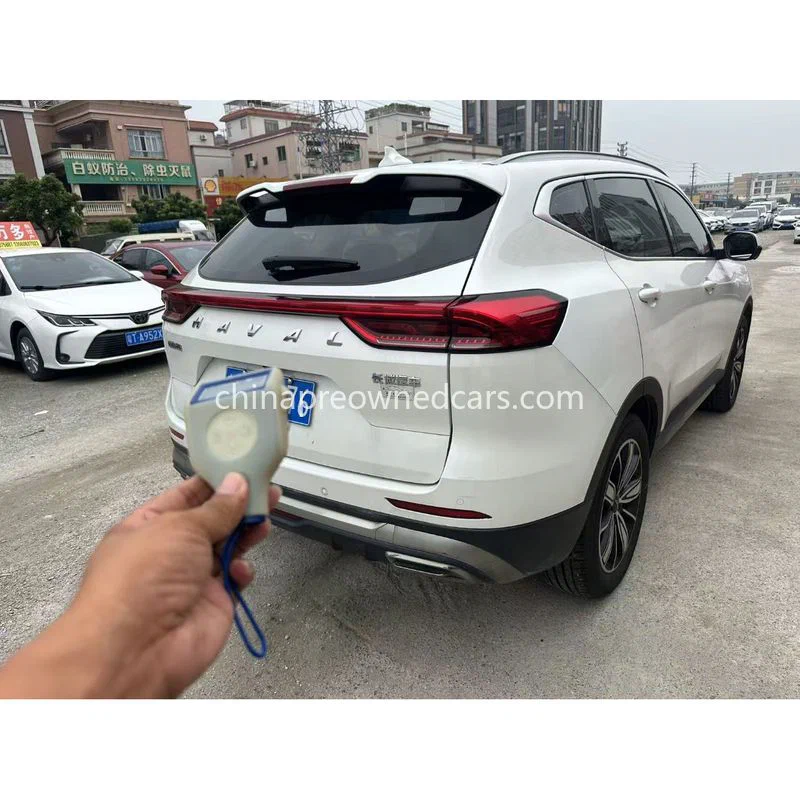
The BYD Atto 3 has emerged as a practical and efficient choice for buyers in Africa, the Middle East, and South America. As a compact electric SUV, it meets the growing demand for sustainable mobility while addressing the specific needs of these emerging markets. This article explores its specifications, typical condition grades, and the customs and duty considerations for importers.
Key Specifications for Export
The BYD Atto 3 is powered by an electric drivetrain with a range of approximately 400–450 km on a full charge, depending on the specific model variant and battery capacity. It uses a left-hand drive configuration, aligning with the requirements of most African and South American countries. The vehicle complies with international emission standards, making it suitable for markets with stringent environmental regulations. Buyers should note that the Atto 3 is well-suited for urban and peri-urban environments due to its compact size and efficient energy usage.
Condition and Suitability for Emerging Markets
Used BYD Atto 3 units typically undergo condition grading before export, often assessed on factors such as mileage, exterior and interior wear, and battery state of health (SoH). Battery SoH is crucial for electric vehicles, as it directly affects range and performance. For African and South American buyers, the Atto 3 offers an advantage: BYD’s growing global presence ensures better access to spare parts and service networks in these regions. Additionally, the vehicle’s design and build quality make it suitable for varied road conditions, including urban streets and rural paths typical in emerging markets.

Customs and Duty Considerations
Import duties for vehicles like the BYD Atto 3 are typically calculated on a CIF (Cost, Insurance, and Freight) basis. This means the customs valuation includes the vehicle’s purchase price, shipping cost, and insurance. In many African countries, importers may face penalties for older vehicles, so the relatively new year models of the Atto 3 can help reduce age-related tariffs. Required documents often include a Form M or Pre-Arrival Assessment Report (PAAR), a certificate of origin, and a commercial invoice. Importers are advised to work closely with local clearing agents to navigate these requirements and avoid potential delays.
Shipping Options and Lead Times
The BYD Atto 3 can be shipped using two main methods: roll-on/roll-off (RoRo) or container shipping. RoRo is generally more cost-effective and is ideal for high-volume shipments, while container shipping offers better protection for the vehicle during transit. Typical lead times for shipping from China to African or South American ports range from 15 to 30 days, depending on the destination and shipping method. Customs clearance and local inspection processes may extend this timeline, so buyers should factor in potential delays.
What Buyers Should Verify
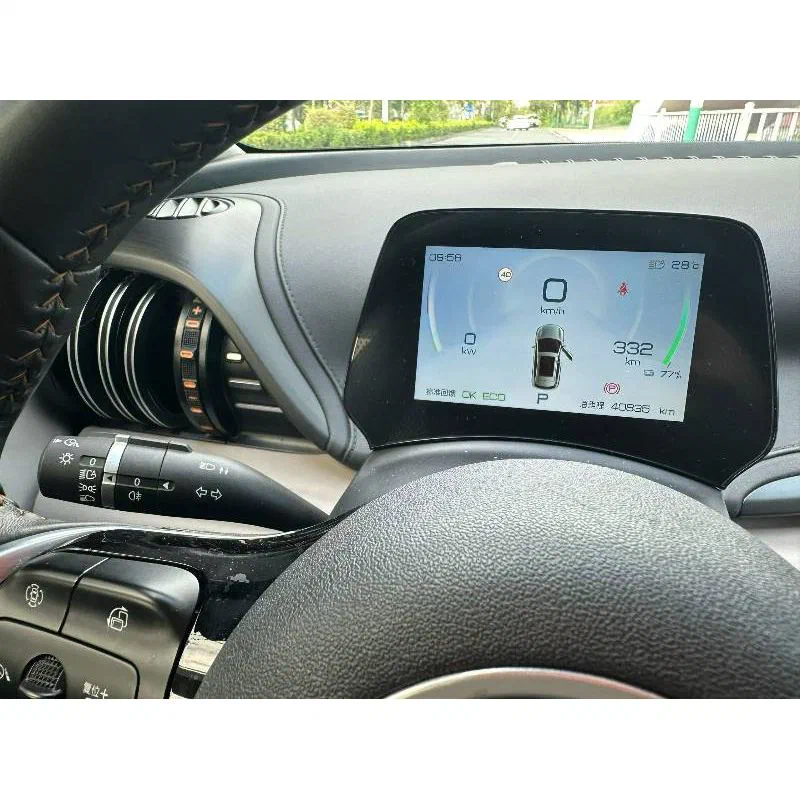
Before finalizing a purchase, buyers should verify the vehicle’s history, including its maintenance records and accident history, to ensure transparency. For electric vehicles like the Atto 3, a battery health report is essential to confirm the remaining capacity and expected lifespan of the battery. It is also advisable to check the VIN (Vehicle Identification Number) against export and customs documentation to ensure accuracy. Buyers should confirm the current import regulations for their country, as these can vary significantly by market.
After-Sales Support and Practical Considerations
BYD’s expanding presence in emerging markets provides a degree of reassurance for buyers. Access to spare parts and certified service centers is improving, though it is still advisable to confirm local availability. Since the Atto 3 is an electric vehicle, buyers should also consider the state of charging infrastructure in their region. In markets where public charging networks are limited, the Atto 3’s compatibility with home charging setups can be a significant advantage.
FAQ
Q: What documents are required to import a BYD Atto 3? A: Key documents typically include a certificate of origin, commercial invoice, and customs-specific forms like Form M or PAAR, depending on the destination country.
Q: How is import duty calculated for the BYD Atto 3? A: Import duty is calculated based on the CIF value of the vehicle, which includes the purchase price, shipping cost, and insurance. Age penalties may apply in some countries.
Q: What should I check before purchasing a used BYD Atto 3? A: Verify the battery health report, maintenance records, accident history, and VIN accuracy. Confirm import regulations and spare parts availability in your market.