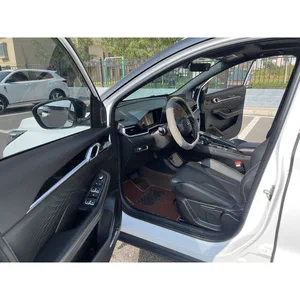
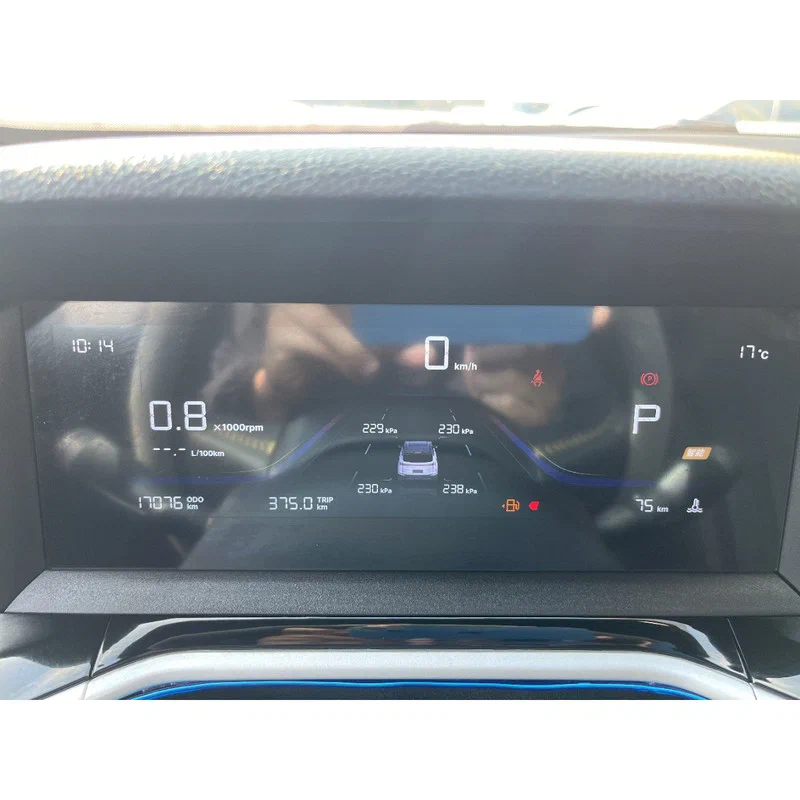
Hybrid SUVs are increasingly becoming a practical choice for African markets, particularly in countries like Ghana, Nigeria, Kenya, Uganda, and Tanzania. Their dual powertrains offer flexibility in regions where fuel availability and charging infrastructure vary widely, while their robust designs are well-suited for rough and variable road conditions.
African markets present specific requirements for vehicle imports, including restrictions on age, emissions compliance, and drive side compatibility. Most vehicles in China’s domestic market are left-hand drive, which aligns with the needs of these countries. However, buyers must confirm the latest import laws, as regulations on permissible vehicle age or emission standards may differ between nations and can change frequently. For instance, Ghana and Nigeria often focus on reducing emissions, which makes hybrid SUVs an attractive option. Pre-owned models like the BYD Atto 3 and Haval H6, with their modern hybrid systems, are typically compliant with these requirements when sourced from recent production years.
The condition of pre-owned vehicles is another critical factor. Hybrid SUVs, such as the Chery Tiggo 7 Plus and Geely Coolray, often feature advanced drivetrains and electronics that require thorough inspection to ensure reliability. Key checks include the state of the battery for hybrid models and the functionality of electronic systems. Buyers should request detailed pre-shipment inspection reports to verify the vehicle’s overall condition, mileage, and service history. While exporters typically handle these inspections, buyers may also engage independent quality assessment services for additional assurance.
Import duties and taxes in African markets are often calculated on a CIF (Cost, Insurance, and Freight) basis, with older vehicles typically incurring higher penalties. Documents such as the certificate of origin, commercial invoice, and pre-shipment inspection certificates are mandatory for customs clearance. Ghana, for example, requires a Form M and PAAR (Pre-Arrival Assessment Report) for valuation purposes. Importers are advised to work closely with experienced clearing agents to navigate any valuation disputes or delays at the port. Choosing a reliable exporter can mitigate many of these challenges by ensuring proper documentation and compliance.

Shipping logistics also play a significant role in the import process. Hybrid SUVs are usually shipped via Roll-on/Roll-off (RoRo) vessels or in containers. While RoRo shipping reduces costs, container shipping provides added protection, especially for high-value vehicles like the Chery Tiggo 8 Pro. The choice between these methods often depends on the vehicle’s destination and the buyer’s budget. Buyers should also consider shipping lead times, which typically range from two to four weeks depending on the route and port congestion.
Fuel infrastructure remains a challenge in parts of Africa, but hybrid SUVs stand out for their ability to operate efficiently on traditional fuels while reducing overall consumption. This feature is particularly beneficial in rural areas with limited fueling stations. In urban centers like Nairobi and Lagos, where hybrid-friendly fuel options are becoming more available, models like the BYD Atto 3 offer additional value by reducing operational costs.


Finally, after-sales support is an essential consideration for buyers planning to build a fleet or resell pre-owned hybrid SUVs. Sourcing spare parts and securing service expertise are critical for long-term maintenance. Brands like BYD and Haval are expanding their presence in African markets, making parts more accessible. However, buyers should confirm local availability before finalizing purchases, particularly for newer or less common models.
FAQ
Q: Can hybrid SUVs handle rough roads in Africa?
A: Yes, models like the Haval H6 and Chery Tiggo 8 Pro are designed with ground clearance and suspension systems suitable for uneven terrain.

Q: What documents are required for customs clearance in Ghana?
A: Key documents include the Form M, PAAR, certificate of origin, commercial invoice, and pre-shipment inspection report.
Q: Are hybrid SUVs more expensive to ship than standard vehicles?
A: Shipping costs depend on the method chosen (RoRo or container) and the vehicle’s size, but hybrid SUVs are not inherently more expensive to ship.