The timing of a used vehicle purchase affects the export preparation process, customs planning, and shipping arrangement. This article explains how inspection, documentation, customs clearance, and ocean transport stages connect when sourcing Chinese used vehicles for overseas markets.
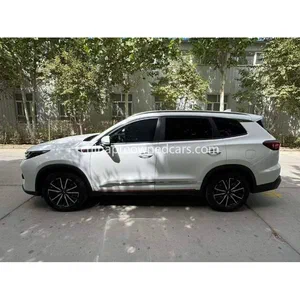
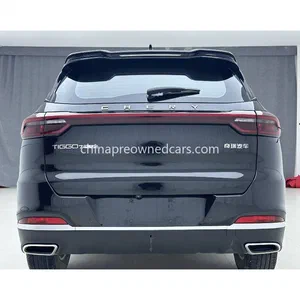
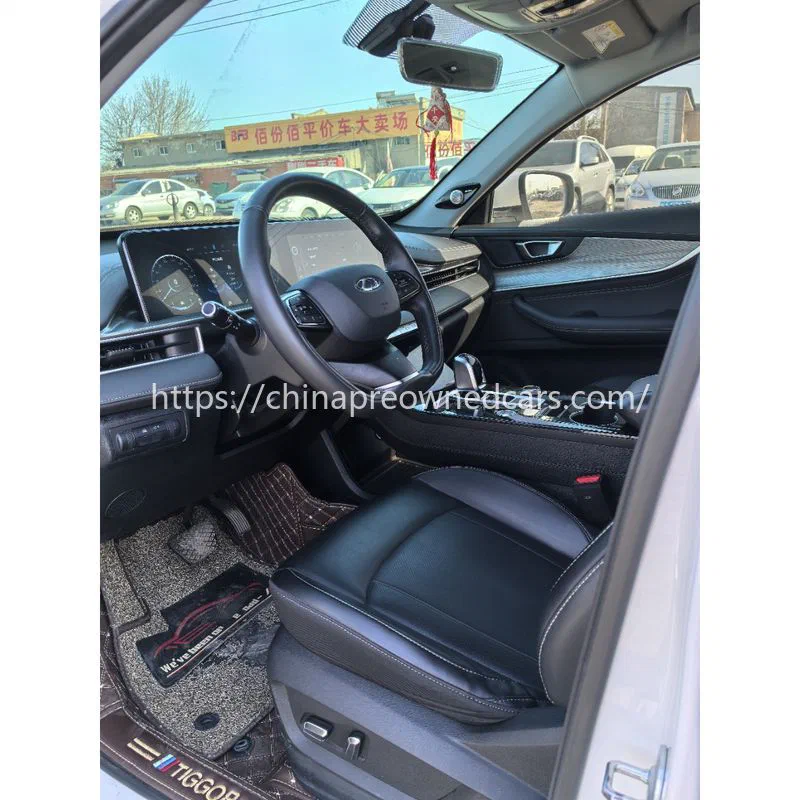
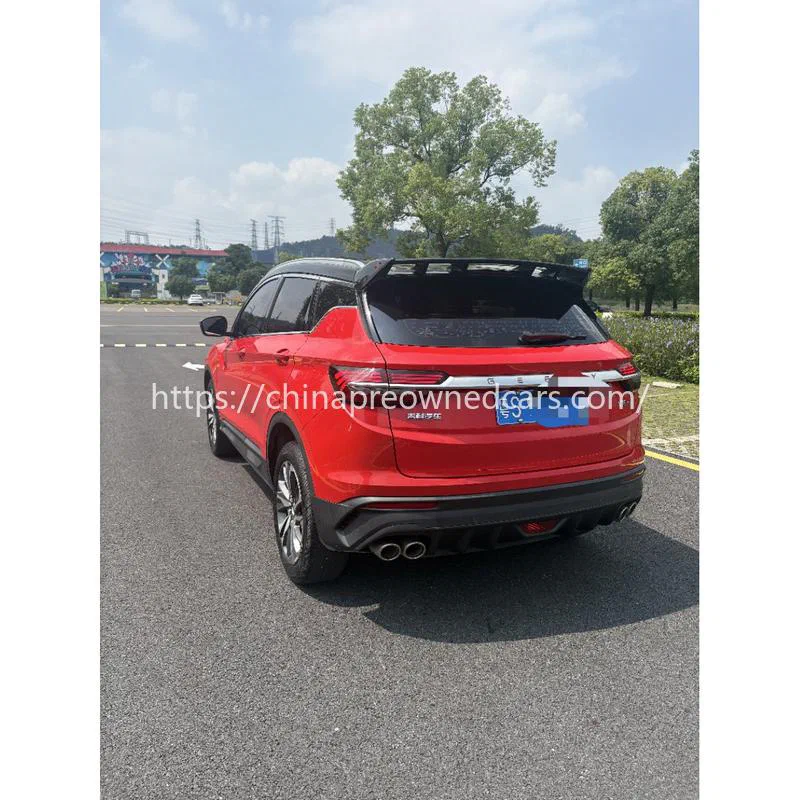
For exporters handling models such as BYD Atto 3, Chery Tiggo 7 Plus, Chery Tiggo 8 Pro, Geely Coolray, and Haval H6, the buying stage should match the planned shipment schedule. The best time to buy a used vehicle is before urgent shipping demand creates pressure on inspection and paperwork. A proper timeline allows the exporter to complete vehicle checks, prepare export documents, and select a suitable shipping method without rushing key steps.
Export preparation before shipment
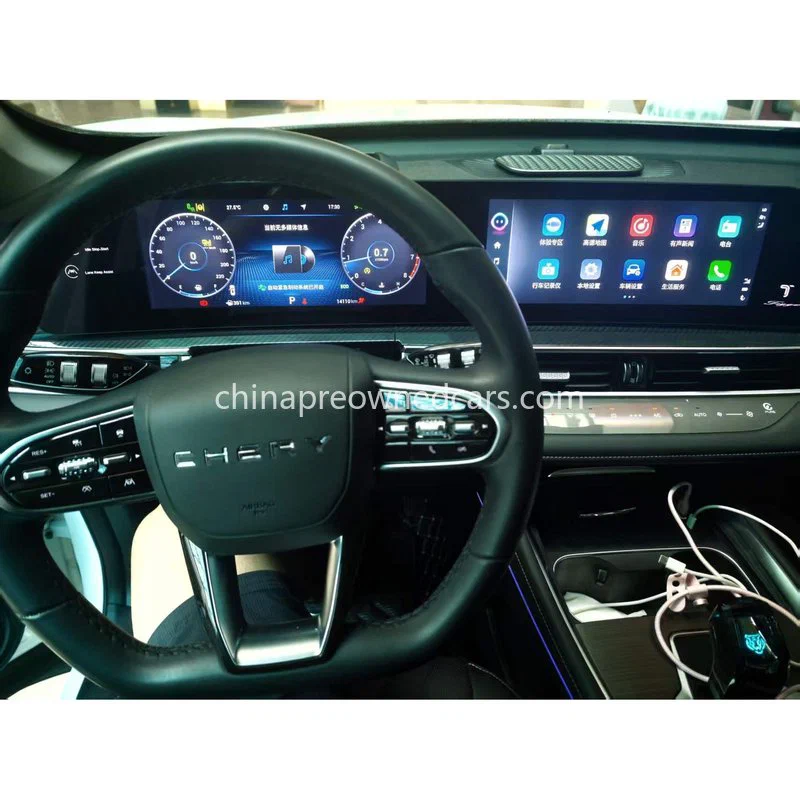
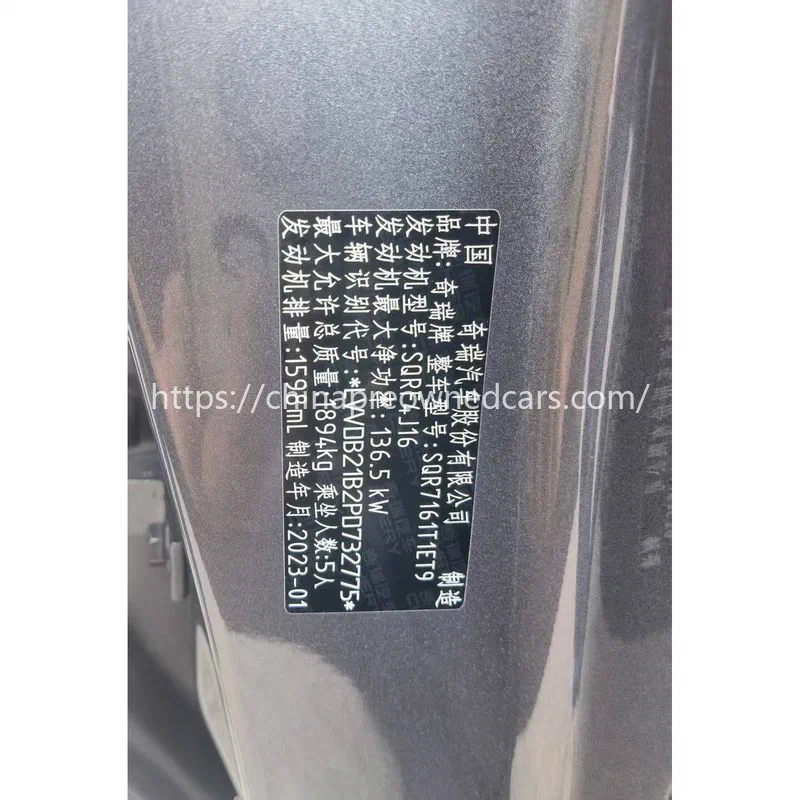
Pre-shipment inspection is a central stage before a used vehicle leaves China. The inspection process normally reviews vehicle identity, VIN information, exterior and interior condition, mechanical systems, electrical functions, and battery condition for electric or hybrid vehicles. The inspection result supports export preparation, but buyers should review the actual inspection records and confirm what items were checked rather than relying on general descriptions.
China used vehicle exports require export licensing, customs declaration, and pre-shipment inspection procedures. Export documentation commonly includes the commercial invoice, packing information where applicable, certificate of origin, and shipping documents such as the bill of lading after loading. For buyers importing into markets such as Ghana, Nigeria, Kenya, Uganda, and Tanzania, local authorities may require additional documents depending on current import rules.
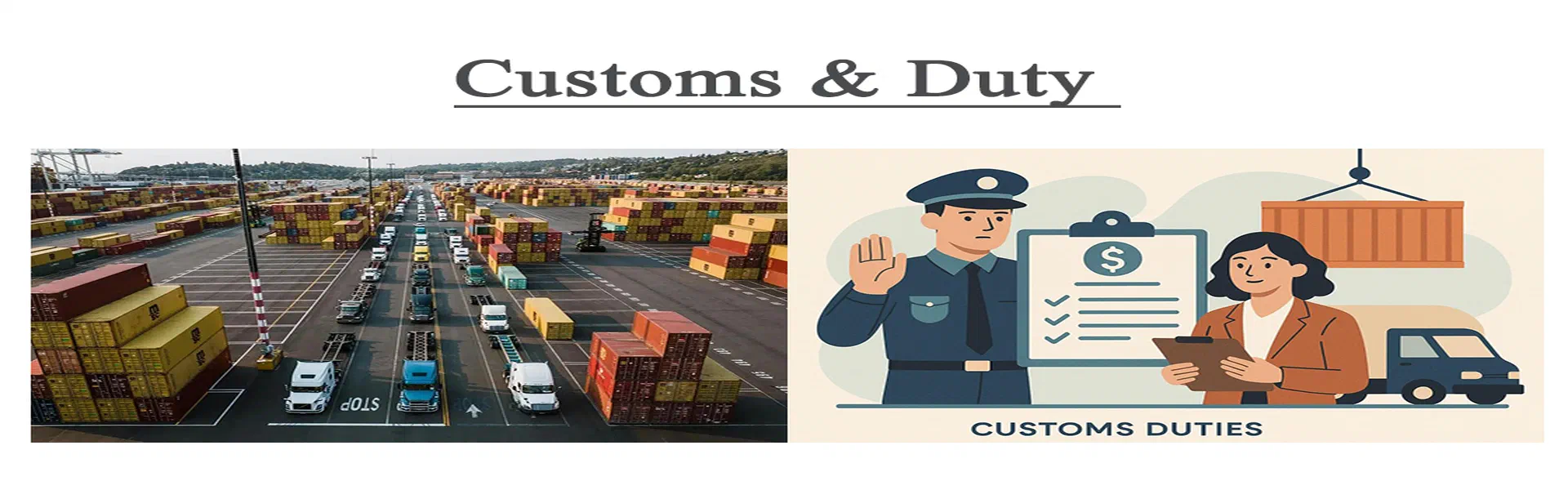
Customs valuation is another stage that needs attention. Import duties and related charges are commonly assessed using the customs value, which may be based on the CIF value depending on the destination country’s rules. Some markets apply additional considerations linked to vehicle age, classification, or valuation methods. Importers should confirm current duty calculations with local customs authorities or a licensed clearing agent before shipment.
Customs clearance and shipping choices

Nigeria import procedures can involve documents such as Form M and PAAR, while other destinations may use different systems. These documents support customs review and cargo processing, but requirements can change. A clearing agent in the destination market helps prepare submissions, communicate with customs offices, and address valuation questions or document issues that may delay release.
Shipping selection depends on vehicle type, destination arrangements, and cost considerations. RoRo shipping is commonly used for vehicles that can be driven onto the vessel, offering a practical option for many standard vehicles. Container shipping can provide additional protection and may suit vehicles shipped with other cargo arrangements, although container availability and handling requirements need planning. Each method has different cost and handling considerations, including potential exposure during port operations.
Port handling can influence the overall export schedule. After customs clearance in China, vehicles move through export terminals before loading. Delays may occur if documents are incomplete, inspection results require clarification, customs valuation needs review, or destination regulations are not confirmed in advance. A typical export workflow includes sourcing, inspection, documentation, customs processing, loading, ocean transport, and destination clearance, with timing depending on each stage.
Vehicle selection also affects customs and import preparation. Most Chinese domestic vehicles are left-hand drive, so buyers in right-hand-drive markets need to confirm compatibility before purchase. Destination countries set their own rules for vehicle age, emission standards, roadworthiness, and import eligibility. Used EV buyers should also verify battery state of health records and understand battery-related transport requirements that may differ from combustion vehicles.
A reliable export process depends on document accuracy and clear communication between the exporter, shipping provider, and destination clearing agent. Buyers should verify the vehicle history, inspection scope, export documents, payment terms, and after-sales support arrangements before completing a purchase. Careful preparation reduces avoidable customs issues and helps keep the shipment process organized.
FAQ
Q: What documents are needed for exporting a used vehicle from China? A: Common documents include export-related paperwork, customs declaration documents, commercial invoice, certificate of origin, and bill of lading. Destination markets may require additional import documents.
Q: Is RoRo or container shipping better for used vehicles? A: RoRo is often suitable for standard vehicles that can be driven onto a vessel, while container shipping may offer different handling advantages. The suitable choice depends on vehicle type, destination, and shipping arrangements.
Q: What should buyers check before importing a Chinese used vehicle? A: Buyers should verify VIN details, inspection records, vehicle condition, battery health for EVs, and current import requirements in the destination country.