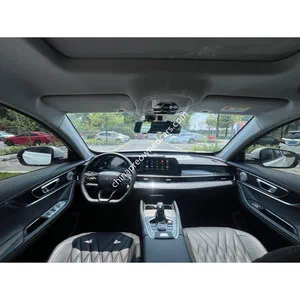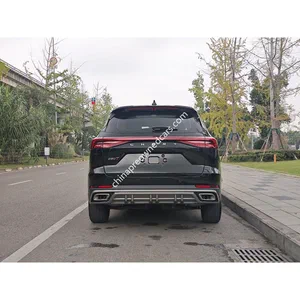

Electric and hybrid vehicles represent a significant segment within the used car market, especially for export to regions like Africa and the Middle East. When considering sourcing these vehicles, buyers must pay close attention to several key factors, including battery health, charging standards, and the regulations surrounding their export. This ensures that the vehicles meet the requirements of the destination markets while maintaining their viability for resale.
A primary concern when exporting electric vehicles (EVs) is the assessment of battery state-of-health. This involves checking the battery’s capacity and performance to determine its residual lifespan. Different markets have varying acceptance criteria for charging connector standards, such as GB/T, CCS, and CHAdeMO, which can affect compatibility with local charging infrastructure. Buyers should verify that the vehicles can be charged in their intended markets, as this directly influences their usability post-import.
In addition to battery health, potential exporters must be aware of transport regulations that apply to lithium-ion batteries under UN 3480, classified as dangerous goods. Proper documentation and handling procedures must be followed to comply with international shipping standards. Buyers should also consider the destination market’s existing charging infrastructure, as limited access can hinder the vehicle’s functionality and resale potential. The range and battery degradation over time can significantly affect resale value, making it crucial to assess these factors before purchase.

Customs and duty considerations also play a vital role in the export process. Duties are typically calculated on a Cost, Insurance, and Freight (CIF) basis, with potential age penalties affecting the final import cost. Required documents include Form M, PAAR (Pre-Arrival Assessment Report), and a certificate of origin. Disputes over vehicle valuation may arise, necessitating the involvement of a clearing agent to facilitate the customs clearance process. Delays can occur due to inadequate documentation or discrepancies in the declared value, emphasizing the importance of thorough preparation.
Before finalizing any purchase, potential buyers should conduct a comprehensive quality assessment. This includes verifying the vehicle’s condition, mileage, and service history. Payment terms and shipping lead times are also critical factors to clarify early in the process, as they can influence the overall purchasing experience. After-sales support can vary, so it is advisable to establish a reliable communication channel with the exporter to address any post-purchase issues.
FAQ
Q: What should I check for when assessing battery health?
A: Buyers should look at the battery’s capacity, performance metrics, and any available health reports to ensure longevity.
Q: How are duties calculated for electric vehicles during export?
A: Duties are usually calculated based on their CIF value, which includes the cost of the vehicle, insurance, and freight charges.
Q: What documents are required for customs clearance?
A: Essential documents include Form M, PAAR, and a certificate of origin to facilitate smooth customs processing.