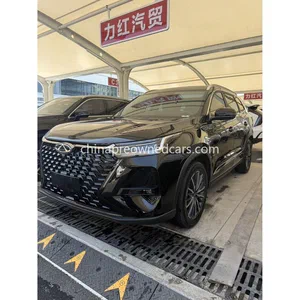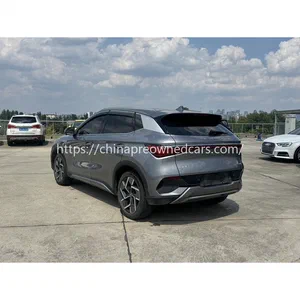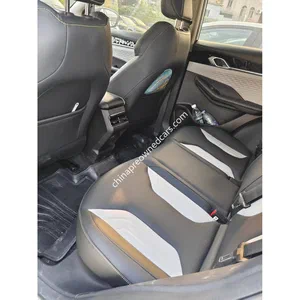
For an overseas importer, a pre-owned car is a previously registered vehicle that has been used by an earlier owner and is now being resold. The phrase what does pre owned car mean is relevant to customs because a vehicle’s previous use, age, condition and declared value can affect its import classification and tax assessment. Buyers sourcing vehicles from China should evaluate the vehicle itself and the paperwork required to clear it at the destination port.
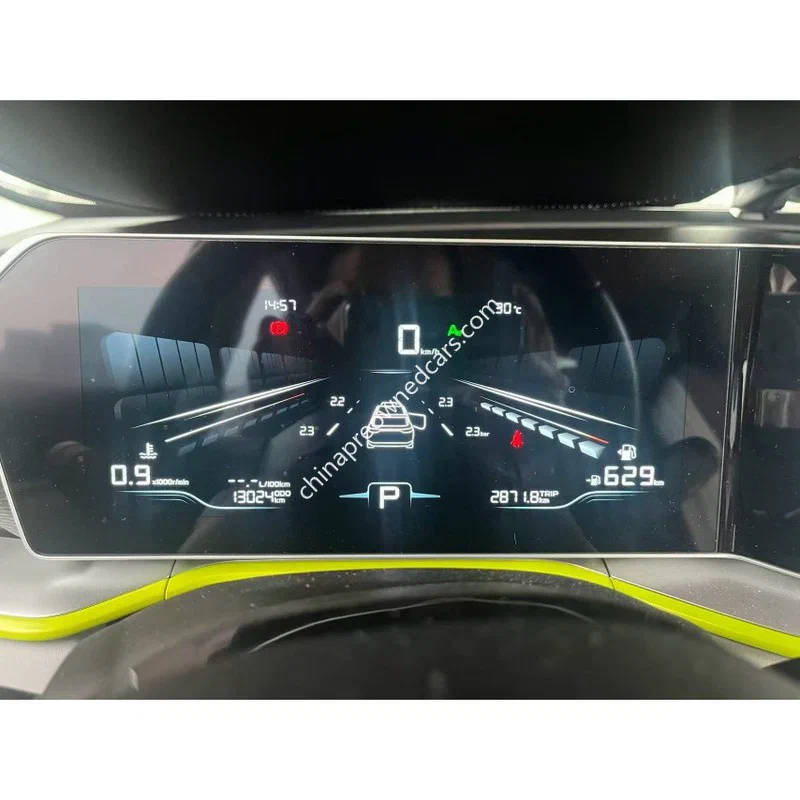
Before agreeing to purchase, request the vehicle identification number (VIN) and check that it matches the chassis markings, registration records and available export documents. Mileage should be supported by service records, maintenance invoices or inspection evidence rather than accepted from the dashboard alone. Ask for a documented accident history and inspect the body structure, paintwork, suspension and engine or electric drive system. For a BYD Atto 3, battery state of health (SOH), charging performance and diagnostic records deserve particular attention. A low odometer reading does not establish battery condition. Buyers considering the Chery Tiggo 7 Plus, Chery Tiggo 8 Pro, Geely Coolray or Haval H6 should also request evidence of routine servicing and checks for previous structural repairs. An independent pre-shipment inspection report should record visible defects, mileage, equipment and vehicle identification details. It is evidence of the vehicle’s condition at inspection, not a guarantee of future performance.
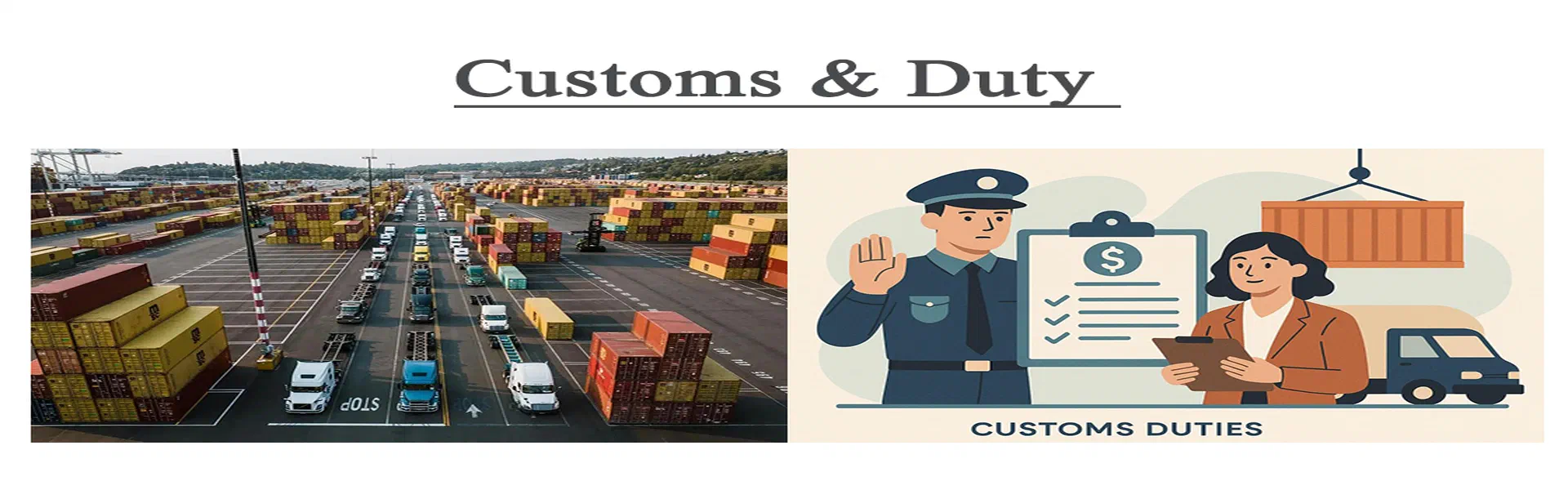
Customs costs need to be assessed before the vehicle leaves China. Many importing authorities calculate customs duty and related taxes using a CIF-based customs value, which generally includes the vehicle cost, insurance and freight to the destination port. The applicable duty rate and additional taxes depend on the destination’s tariff classification and current regulations. Vehicle age can also affect eligibility or trigger additional charges in some markets. Importers should confirm the current rules rather than rely on an older quotation. In Nigeria, the clearance process may involve Form M and Pre-Arrival Assessment Report (PAAR) documentation, alongside the commercial invoice, bill of lading and other required import papers. A certificate of origin may also be requested to establish where the vehicle was manufactured. Requirements differ in Ghana, Kenya, Uganda and Tanzania. The exporter should clarify which documents it will prepare and which must be arranged by the importer or local clearing agent.
Customs valuation is a common source of unexpected costs. If the declared transaction value differs from the value accepted by customs, officials may request supporting invoices, payment records or other evidence before releasing the vehicle. An importer should retain the sales contract, payment receipts, shipping invoice and insurance details to support the declared CIF value. A local clearing agent can review the paperwork, identify missing declarations, advise on applicable tariff classifications and handle communication with customs. However, appointing an agent does not remove the importer’s responsibility for accurate declarations. Shipments can be delayed by incomplete Form M or PAAR processing, inconsistent VIN details, missing certificates, valuation disputes, unpaid charges or inspection discrepancies. Port congestion and documentation errors can add further waiting time. Confirm the vehicle’s left-hand-drive configuration before purchase as well. Most Chinese domestic vehicles are LHD, and destination regulations concerning steering position, emissions, roadworthiness and vehicle age must be checked against current national requirements.
Exporter credibility matters as much as the quoted vehicle price. A professional supplier should explain its sourcing process, provide vehicle-specific inspection evidence, identify the legal exporter and clarify responsibility for export licensing, customs declaration and pre-shipment inspection in China. Request a draft invoice and shipping document details before making the final payment. Payment arrangements commonly involve an initial deposit followed by the balance before shipment or against agreed shipping documentation, but the exact terms should be recorded in a signed contract. Avoid transferring funds to an unrelated account without independently verifying the beneficiary. The contract should specify the VIN, vehicle configuration, disclosed defects, inspection arrangements, shipping method and responsibility for additional charges. RoRo shipping is generally suitable for operable vehicles, while container shipping offers enclosed transport and may suit buyers arranging several vehicles or requiring additional protection. For electric vehicles, battery transport requirements must be checked with the carrier. Buyers should also agree on how after-sales enquiries and documentation problems will be handled after arrival. A clear paper trail reduces disputes when the vehicle reaches the destination port.

FAQ
Q: What documents should an importer request before buying a pre-owned car from China?
A: Request the commercial invoice, vehicle identification details, inspection report, export documentation and shipping arrangements. Depending on the destination, additional documents may include a certificate of origin, bill of lading, Form M and PAAR.
Q: How is customs duty calculated on imported pre-owned cars?
A: Customs authorities may use the CIF value, including vehicle cost, insurance and freight, as the basis for calculating duty and related taxes. The final assessment depends on the destination’s current tariff rules, vehicle classification, age-related provisions and applicable charges.