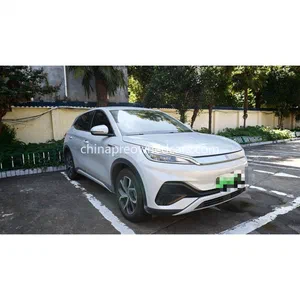

A used vehicle purchase from China involves more than checking the asking price and vehicle condition. Overseas buyers must also assess customs duties, import documentation, valuation procedures and destination-country restrictions before committing to a shipment. These checks are particularly important when importing Chinese-brand SUVs and electric vehicles into Ghana, Nigeria, Kenya, Uganda and Tanzania.
1. Verify the Vehicle Before Agreeing to a Purchase
The first step is establishing whether the vehicle being offered matches its description. Mileage is an important starting point, but a low odometer reading does not establish good condition. Buyers should request dated photographs of the dashboard, odometer and vehicle identification number (VIN), then compare the mileage with available maintenance records, inspection documents and previous service entries. Large gaps in recorded mileage or inconsistencies between documents and dashboard readings require further investigation. VIN verification is equally important. The identification number on the vehicle should match the registration documents and export paperwork. Any discrepancy should be resolved before payment.
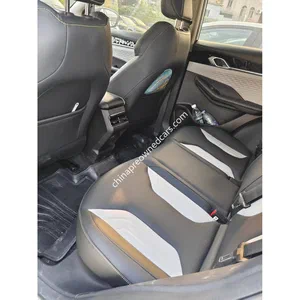
Service history and accident records provide additional information about a vehicle’s previous use. Ask for available maintenance invoices, repair records and evidence of major component replacements. An independent pre-shipment inspection should examine the engine, transmission, suspension, brakes, tyres, body panels and electrical systems. Buyers should request photographs of repaired areas, underbody components and any visible corrosion. For electric vehicles such as the BYD Atto 3, battery state of health (SOH) deserves separate attention. Request a diagnostic report showing battery capacity indicators, charging performance and fault codes where available. A dashboard range estimate alone is insufficient evidence of battery condition. Battery transport requirements should also be confirmed before booking shipment.
2. Check Import Duties and Customs Valuation

Customs duty is a major part of the landed cost. In many import systems, the calculation begins with the CIF value: the vehicle’s cost, insurance and freight to the destination port. Customs may apply the relevant tariff classification and additional taxes or charges to the accepted customs value. Some markets also apply age-related penalties or additional charges to older vehicles. The calculation is not identical across Ghana, Nigeria, Kenya, Uganda and Tanzania. Vehicle type, engine capacity, fuel type, declared value and applicable import rules can all affect the final amount. Electric and hybrid vehicles may receive different tariff treatment from conventional petrol vehicles, but buyers should confirm the current classification rather than assume a tax exemption.
Declared value is another potential source of difficulty. Customs authorities may question an invoice if the stated purchase price appears inconsistent with their valuation references or supporting evidence. This can lead to reassessment, additional payments and delays in releasing the vehicle. Buyers should retain the commercial invoice, payment evidence, vehicle specifications and any documents supporting the transaction value. Where a customs valuation dispute arises, the clearing agent should explain the authority’s assessment and identify the available review or appeal procedure. An artificially low invoice is not a sound way to reduce import costs. It can create problems during customs clearance and make the transaction harder to substantiate.
3. Prepare the Required Export and Import Documents
Documentation should be checked before the vehicle leaves China, not after it reaches the destination port. The Chinese export process requires the appropriate export licensing, customs declaration and pre-shipment inspection. Buyers should request copies of the commercial invoice, sales contract, packing list where applicable, bill of lading, vehicle identification details and relevant inspection report. A certificate of origin may also be required to establish where the vehicle was manufactured. The exporter should clarify which documents will be issued in China and which must be arranged by the importer or destination-country representative.
Nigeria requires particular attention to its import documentation procedures. Depending on the applicable import process, the importer may need a Form M and a Pre-Arrival Assessment Report (PAAR), alongside the commercial invoice, shipping documents and other customs declarations. Form M is part of the import documentation process, while PAAR supports customs assessment before arrival. Buyers should coordinate these requirements with their Nigerian bank, authorised dealer and clearing agent before shipment. Other destinations have their own documentation systems. Kenya, Ghana, Uganda and Tanzania may require different declarations, permits or supporting certificates. A certificate of origin should not be treated as a substitute for an import permit or customs declaration. All requirements should be confirmed against current official procedures.
4. Assess the Exporter and Shipping Arrangements
An exporter’s credibility can be assessed through its documentation practices and willingness to provide verifiable information. Buyers should establish the company’s legal identity, business registration details, export capability and physical business contact information. Ask who handles the export declaration, inspection arrangements and shipping booking. A credible supplier should be able to explain each responsibility and identify which documents will be provided at each stage. Requests for VIN details, inspection evidence and a written sales agreement should not be treated as unreasonable. Be cautious when a supplier avoids independent inspections, changes payment instructions without explanation or cannot provide consistent vehicle records.
Shipping arrangements also affect the final cost and condition of the vehicle. Roll-on/roll-off (RoRo) shipping generally involves driving eligible vehicles onto a specialised vessel. It can be suitable for operational vehicles, although availability depends on the shipping route and carrier. Container shipping places vehicles inside a container and may offer different handling and protection arrangements, but loading, securing and container charges need to be considered. The choice depends on vehicle dimensions, route availability, shipping costs and the buyer’s requirements. Common delays include incomplete export paperwork, customs inspection, vessel schedule changes, port congestion and missing destination permits. Buyers should obtain a written shipping quotation that distinguishes ocean freight from insurance, port charges and destination handling fees.
5. Agree on Payment Terms and Final Checks
Payment arrangements should be documented in the sales contract. A staged payment structure may involve an initial deposit after vehicle selection and verification, followed by the balance after inspection and before shipment or against agreed shipping documents. The exact arrangement depends on the parties and transaction. Buyers should establish the deposit amount, payment milestones, refund conditions, currency, bank charges and procedure for resolving discrepancies. Payments should go to a verified business account matching the contracting party. Any change to bank details should be independently confirmed through an established company contact. Avoid relying solely on informal messaging as evidence of a financial agreement.
Before authorising shipment, compare the final inspection report against the original vehicle description and sales agreement. Confirm the VIN, odometer reading, visible damage, mechanical findings and battery condition where applicable. The exporter should provide the export documents and confirm the shipping arrangement, while the buyer’s clearing agent should verify destination requirements and estimated charges. Buyers researching used cars small cars should also distinguish between vehicle suitability and customs suitability: a compact vehicle may be economical to operate but still face destination-specific age, emissions or registration restrictions. For the listed SUV range, including the Chery Tiggo 7 Plus, Chery Tiggo 8 Pro, Geely Coolray and Haval H6, confirm specifications against the exact vehicle being purchased.
FAQ
Q: How are customs duties calculated when importing a used car from China?
A: Customs commonly uses the CIF value as a starting point, then applies the relevant tariff classification, duties and additional taxes. Age-related charges and other adjustments may apply depending on the destination’s current regulations.
Q: What documents should a buyer request before a vehicle is shipped?
A: Request the commercial invoice, sales contract, VIN details, inspection report, export documentation and shipping arrangements. Buyers should also confirm destination-specific requirements, including Form M and PAAR for applicable Nigerian imports.