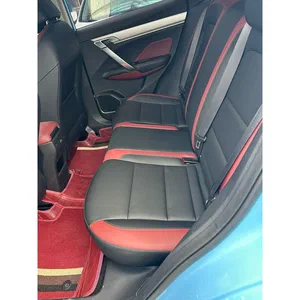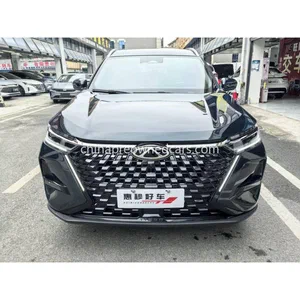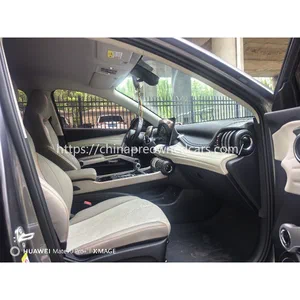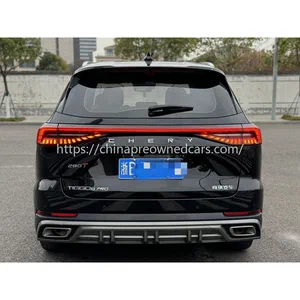

Electric and hybrid SUVs are becoming increasingly popular in export markets, particularly in Africa, the Middle East, and South America. This article explores the suitability of these vehicles for export, focusing on battery health, charging standards, export logistics, and customs processes.
Battery Health and Electric Vehicle Suitability
One of the most critical considerations when exporting electric or hybrid vehicles is the state of health (SOH) of their batteries. A battery’s SOH indicates its remaining capacity relative to its original state, and this directly impacts the vehicle’s range and resale value. Exporters must ensure that batteries undergo diagnostic testing to provide buyers with transparent data. For used EVs, batteries that have significant degradation may require replacement before resale, which can be costly. Buyers sourcing vehicles should request SOH reports and verify the results independently to avoid unexpected expenses.
Compatibility with local charging infrastructure is another key factor. Chinese electric vehicles typically use the GB/T charging standard, which is widely adopted in China but less common internationally. Some African countries have limited charging infrastructure and may rely on CCS or CHAdeMO standards instead. Adapters or retrofitting may be necessary to ensure compatibility, and buyers should confirm the availability of appropriate charging solutions in their target market before making purchases.
Logistics and Export Compliance

Transporting EVs requires adhering to international regulations for shipping batteries classified as dangerous goods (UN 3480). Proper packaging, labeling, and documentation are essential to meet safety requirements during transit. Vehicles can be shipped either as roll-on/roll-off (RoRo) cargo or in containers, with the choice depending on cost considerations and the level of protection required. RoRo is generally more economical, while containerization offers better security and protection against environmental factors.

Exporters must also handle customs clearance and documentation, including certificates of origin, pre-shipment inspection reports, and vehicle identification number (VIN) verification. Incomplete or inaccurate documentation can lead to delays or disputes at the destination port. Employing experienced clearing agents helps mitigate these risks and ensures smoother customs processing.
Customs Duties and Import Regulations
Customs duties for imported vehicles are typically calculated on a CIF (Cost, Insurance, and Freight) basis, with vehicle value, shipping costs, and insurance factored into the assessment. Some destination countries impose additional duties or penalties based on vehicle age or emission standards, which can make older or non-compliant vehicles less cost-effective. Buyers should verify the latest import regulations in their region, including any exemptions or incentives for electric and hybrid vehicles.
Documents such as Nigeria’s Form M and PAAR (Pre-Arrival Assessment Report) or Kenya’s Certificate of Conformity (CoC) are often required for customs clearance. Accurate valuation of vehicles is crucial to avoid disputes, and buyers should ensure that exporters provide detailed commercial invoices and inspection certificates to support their submissions.
Charging Infrastructure in Destination Markets
The availability of charging infrastructure varies significantly across export markets. Urban areas in countries like Kenya and Ghana are beginning to invest in charging stations, but rural regions may still lack access. Buyers should consider how the vehicle’s range and charging requirements align with infrastructure availability. Hybrid SUVs, which combine internal combustion engines with electric propulsion, offer a practical solution for regions with limited charging options, as they can rely on conventional fuel when necessary.
Range, Battery Degradation, and Resale Value
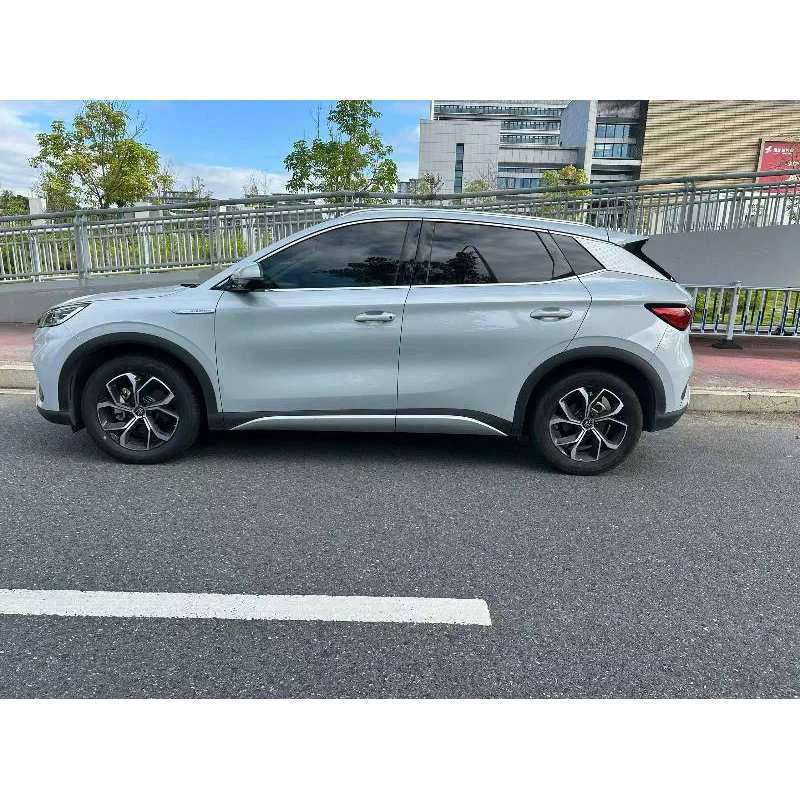
The range of electric SUVs, such as the BYD Atto 3 or Haval H6, is a key selling point, but this can be affected by battery degradation over time. Prospective buyers should assess how the vehicle’s range fits their market’s transportation needs and charging constraints. Regions with long distances between urban hubs may require vehicles with higher mileage ranges to ensure practical usability. Additionally, the resale value of electric vehicles is closely tied to battery health; a well-maintained battery with minimal degradation can command a higher price in secondary markets.
Buyer Considerations and Verification Steps
Buyers sourcing electric or hybrid SUVs should conduct thorough due diligence. Key steps include verifying the VIN, reviewing pre-shipment inspection reports, and confirming battery and vehicle warranties where applicable. Payment terms should be clearly defined, and buyers should select exporters with experience in handling documentation, compliance, and shipping logistics. Understanding shipping lead times and potential delays at customs can help buyers plan more effectively.
FAQ
Q: What charging standard do Chinese electric vehicles use?
A: Most Chinese EVs use the GB/T standard, which may require adapters for international compatibility in markets using CCS or CHAdeMO.
Q: How can buyers verify battery health before purchase?
A: Buyers should request a state-of-health (SOH) report and, if possible, have the results independently verified by a qualified technician.
Q: Are there additional import duties for older vehicles?
A: Many markets impose age-related penalties or higher duties for older vehicles. Buyers should confirm current regulations in their destination country.